Sing Kee – Pan Fried Flounder

Instagram Post 8/16/2018

(Click on any image to view it in high resolution.)

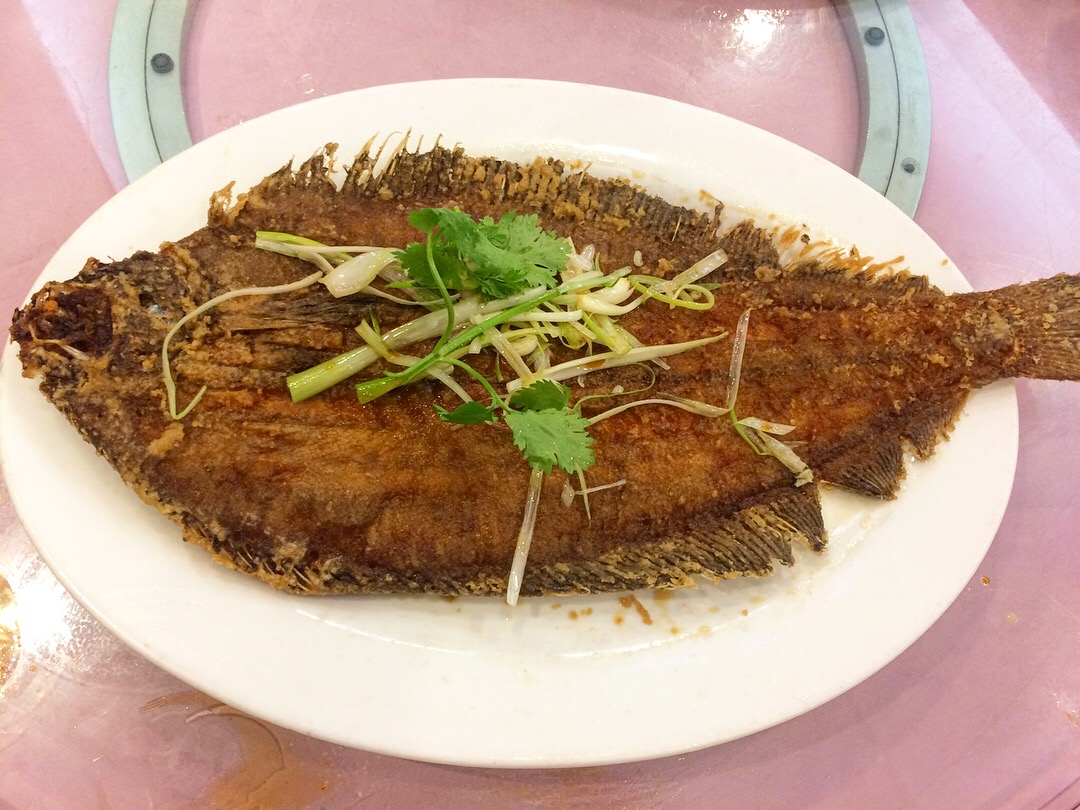
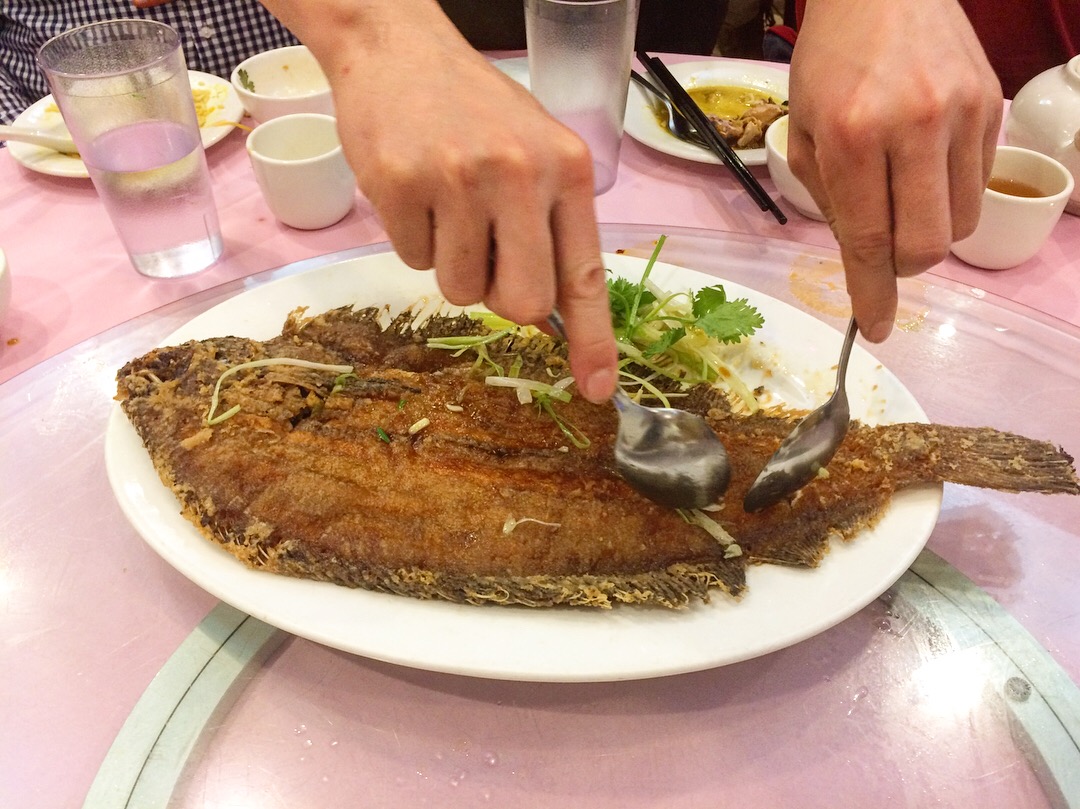
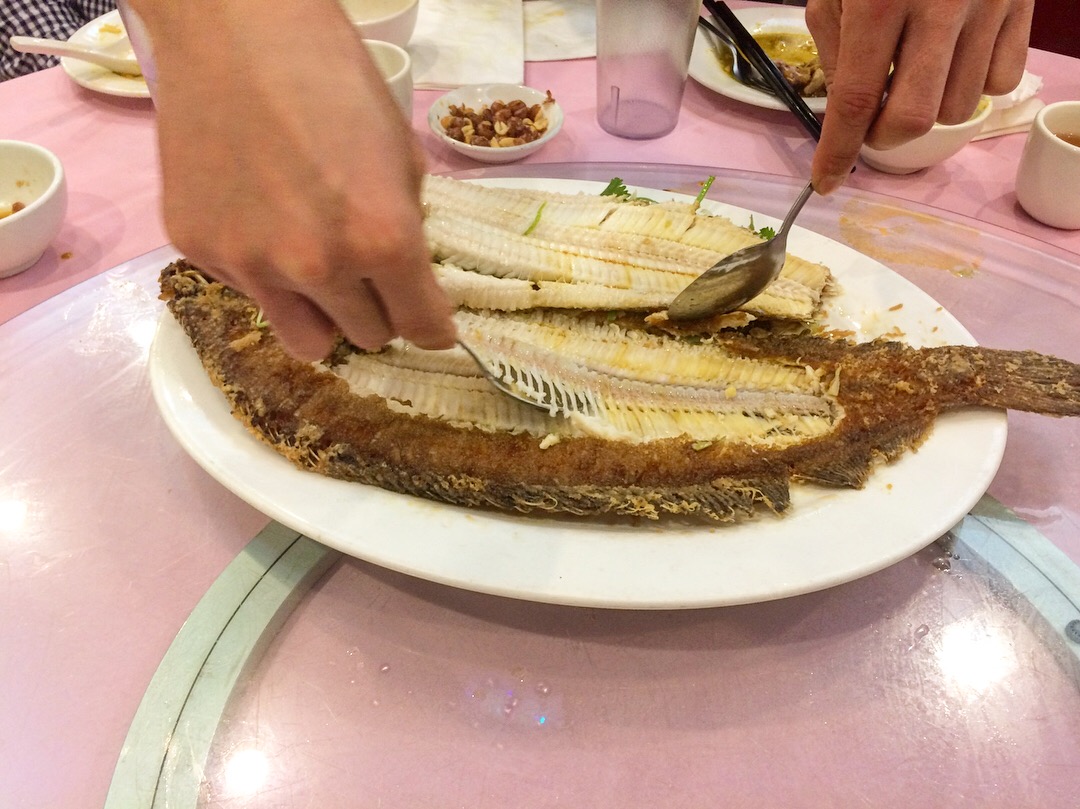
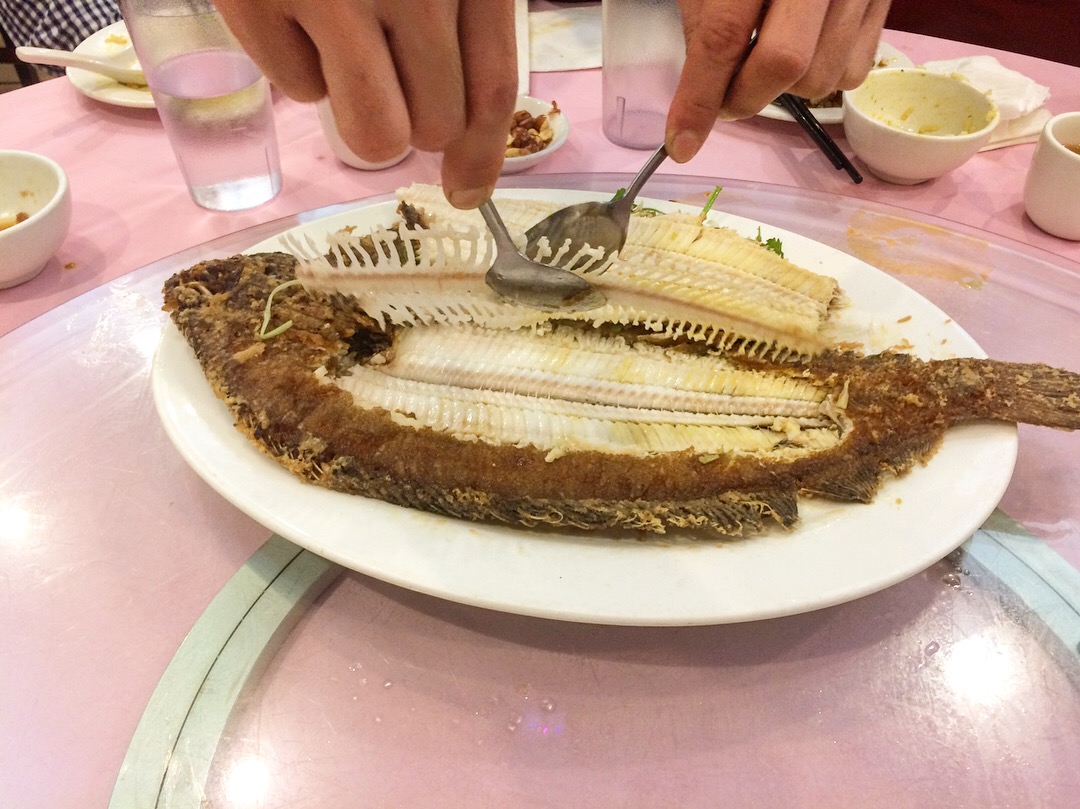
Our Cantonese banquet at Sing Kee Seafood Restaurant, 42 Bowery in Manhattan’s Chinatown, included a show! With surgical precision, our server performed a spinectomy on this appetizing Pan Fried Flounder:

No scalpels, just spoons for the incision…
…the procedure in progress…
…resection successful…
…and close!


Sing Kee – House Special Steamed Minced Pork

Instagram Post 8/12/2018

(Click on any image to view it in high resolution.)

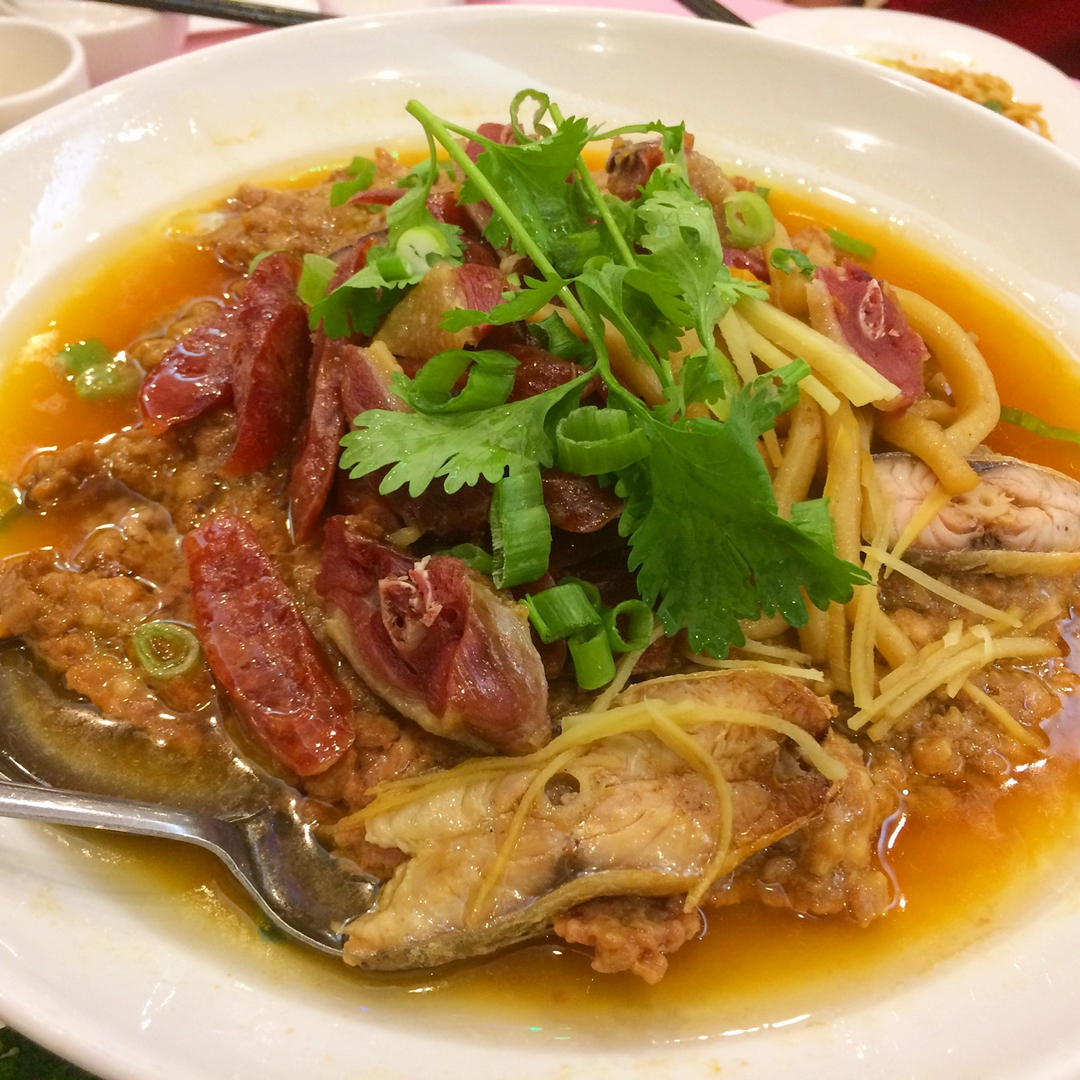
One more from our Cantonese banquet at Sing Kee, 42 Bowery in Manhattan’s Chinatown. I was intrigued by the menu item “Steamed Minced Pork with Salty Fish” listed in the Pork section of the menu; I believe what arrived was a dish called “House Special Steamed Minced Pork” from the Chef’s Recommendations section. It wasn’t bad, but not quite what I expected. Slices of salty fish and salty preserved pork over a dense, salty, ground pork loaf in a savory sauce. Did I mention salty? I still don’t quite know what to make of this dish, but I’m glad we gave it a try.


Hong Kong Taste

When I write about restaurants on Instagram, they’re usually brief takes accompanied by a photo or two. (You can see my feed right here on ethnojunkie.com, updated almost daily, by selecting the “Instagram” category from my home page – no signup required.) But because of Instagram’s character count limitations, it’s often necessary to break up a review into several parts. This one originally appeared as four posts, published in June, July, and August, 2018 and January 2020.


Hong Kong Taste, 47-21 90th Street at the corner of Corona Ave in Elmhurst, Queens, brings a bright, airy, youthful feel to cha chaan teng (tea restaurant) dining. There are three things I particularly love about this place. First, the vast and incredibly well organized menu of delicious, authentic Hong Kong specialties featuring everything from congee to dumplings to fried popcorn chicken along with an abundance of soups and rice and noodle dishes, not to mention milk teas and the like.

(Click on any image to view it in high resolution.)
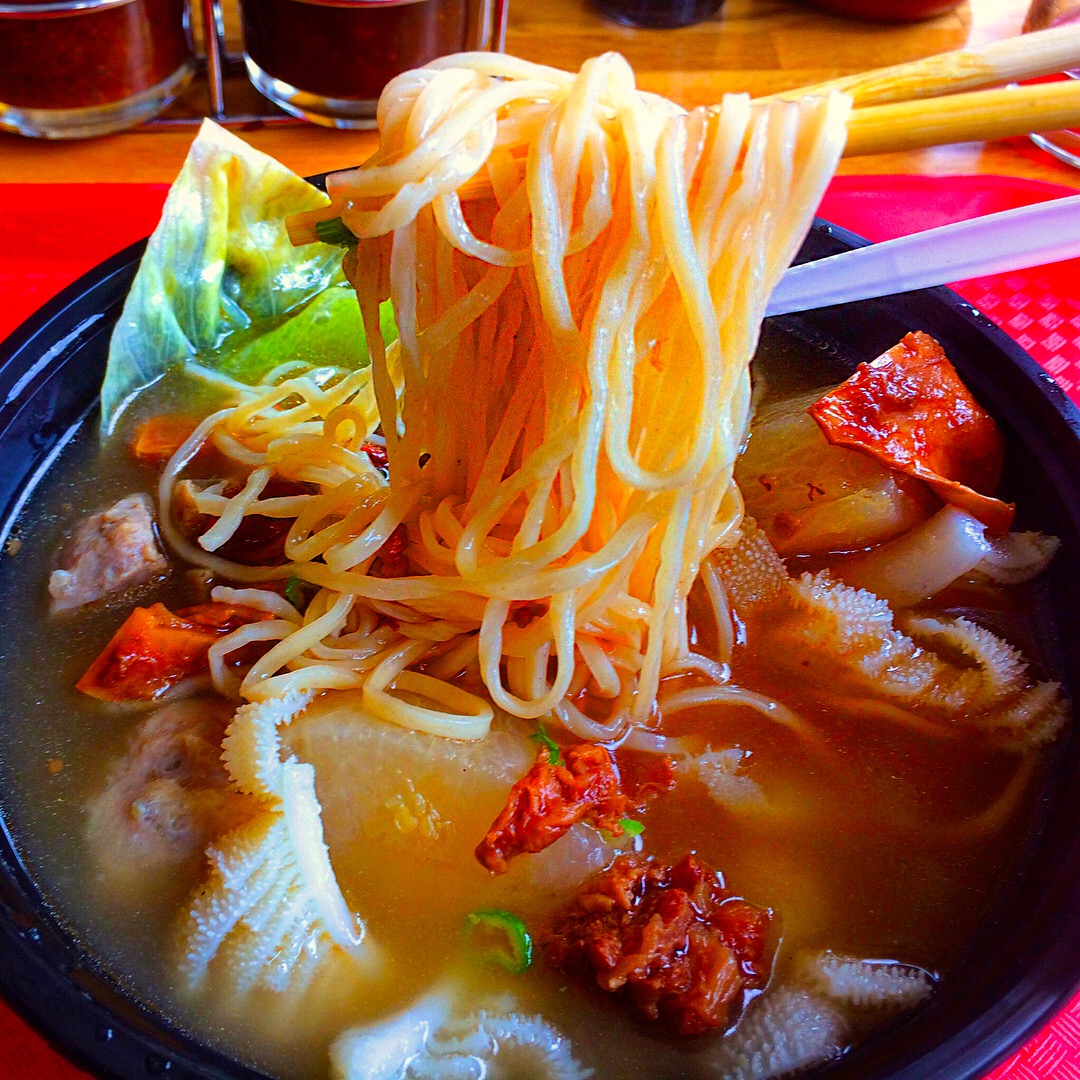
Second, and perhaps their claim to fame, is their Cart Noodles 🍜. It’s a mix and match bonanza where you get to choose your noodle from among nine styles (thin, thick, wheat, rice, egg, etc.) and then top it off with your choice of 26 add-ons including curry fish ball, chicken wing, pork hock, fried wonton, radish, fried egg and lots more. Here’s a bowl loaded with Hong Kong style thick noodles plus beef tendon ball, beef brisket, radish, and beef omasum (aka book tripe).
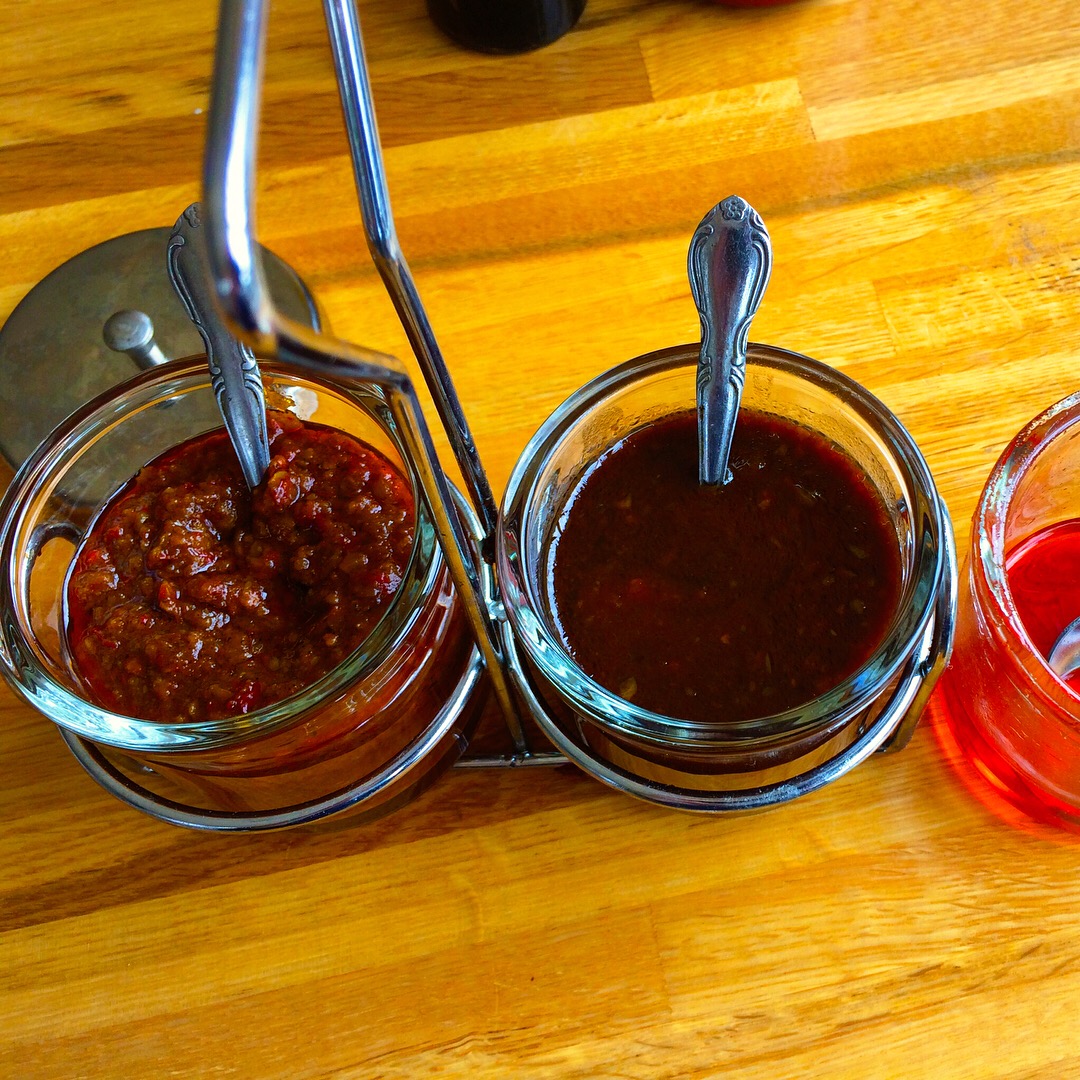

Which brings me to my third favorite aspect of Hong Kong Taste. Every table is provided with a sea of condiments, of course, but two are not to be missed: their homemade curry sauce and garlic sauce. These were truly remarkable. And sure enough, when I looked closely at their menu later that day, I saw that they sell them by the quart to take home.
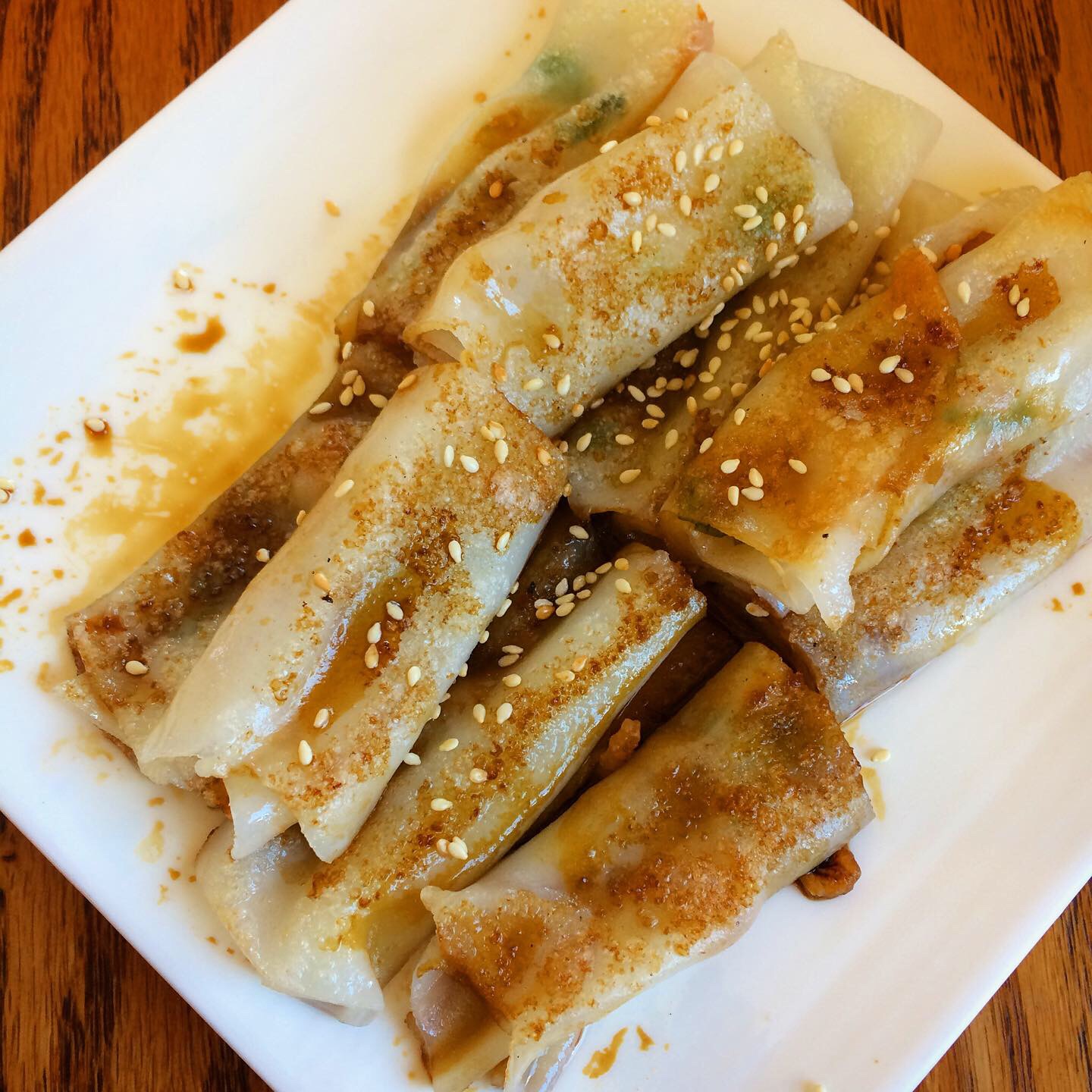

Pan Fried Dried Shrimp Cheong Fun – I decided to try three of their rice roll varieties. These made the cut.
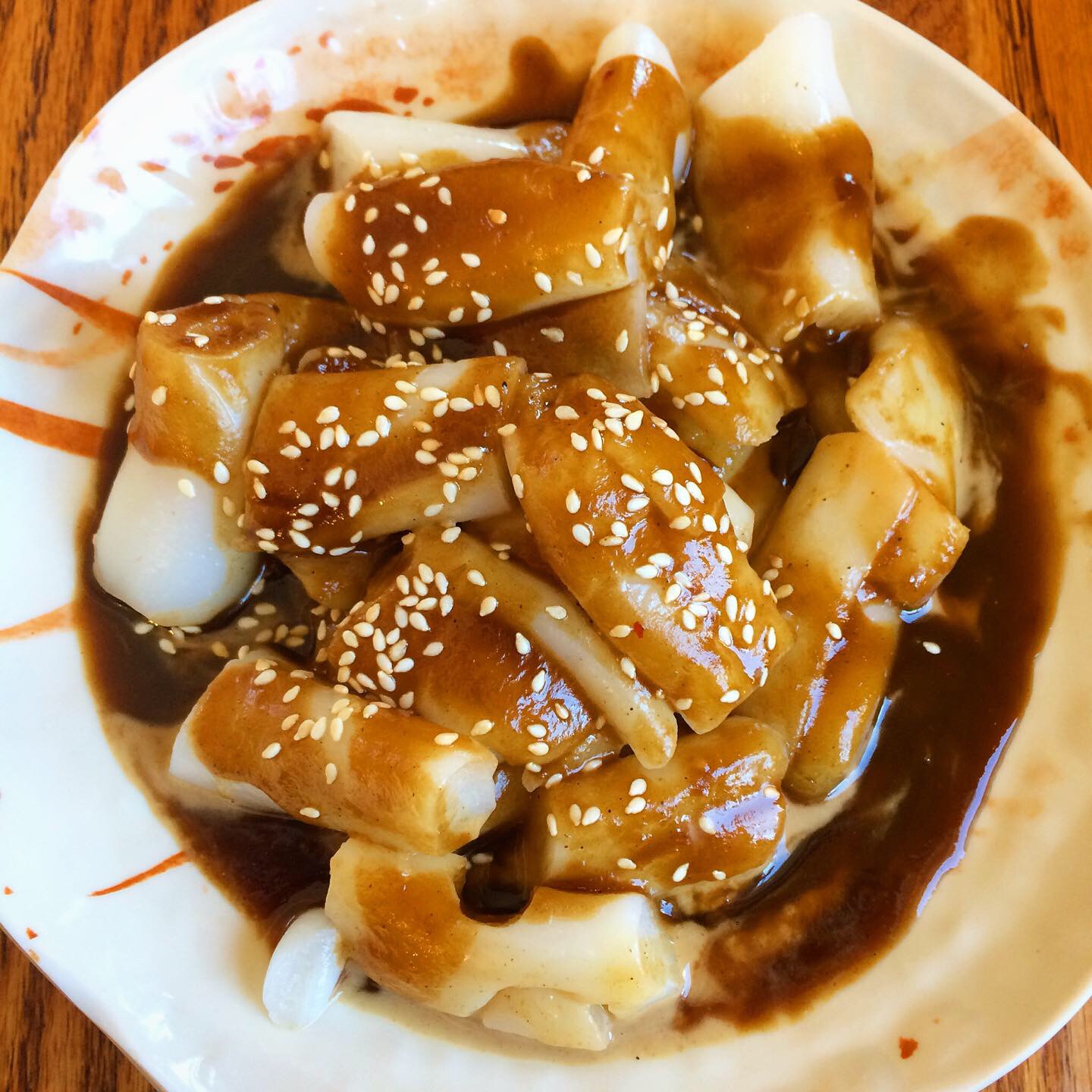

Cheong Fun with Peanut and Sweet Sauce – Just what it says, peanutty and sweet, perhaps a little too sweet, but to each their own.
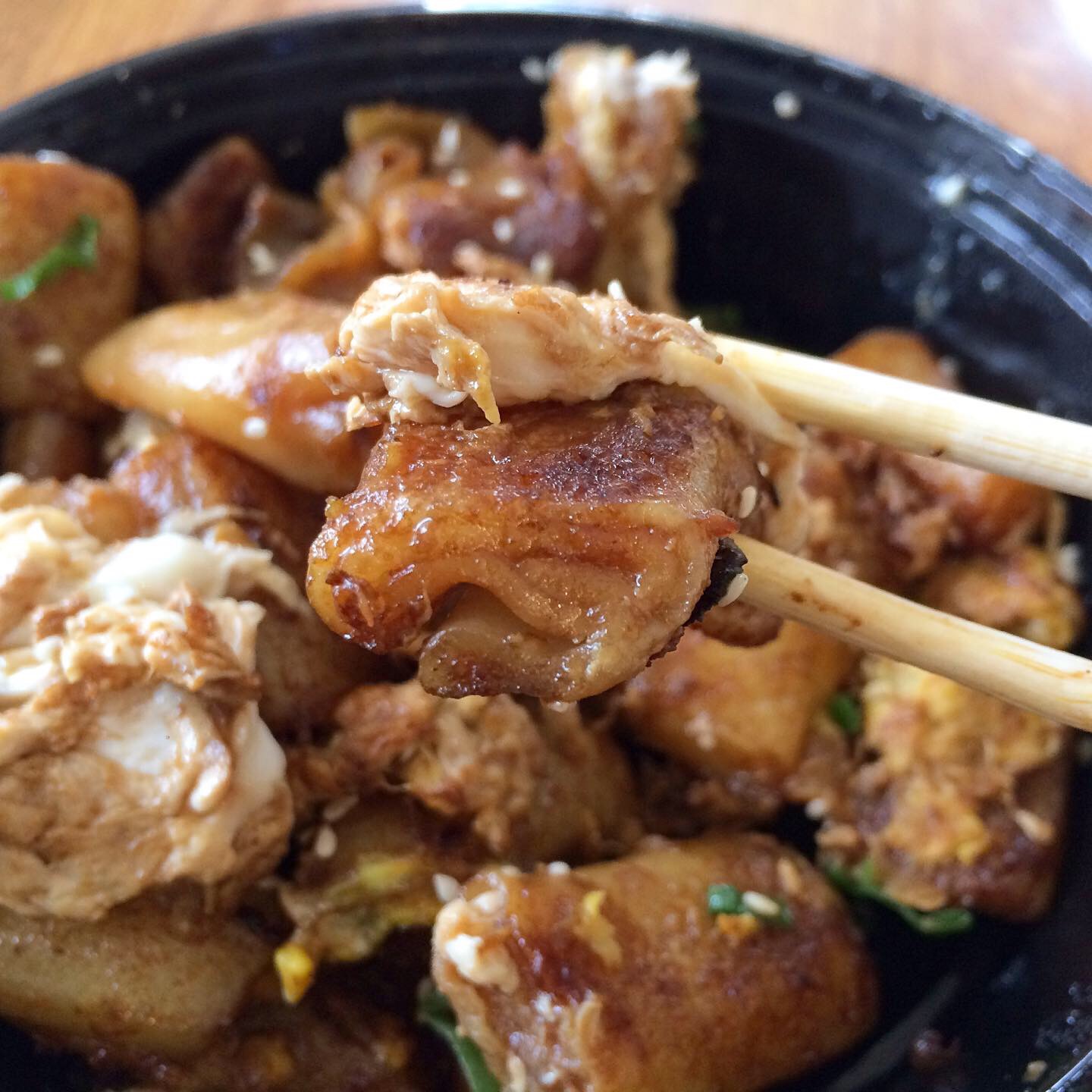

This is Dai Pai Dong Style Cheong Fun, my favorite of the three, impossibly thick, chewy rolled rice noodles – a plateful of comforting satisfaction. (The egg makes all the difference.)
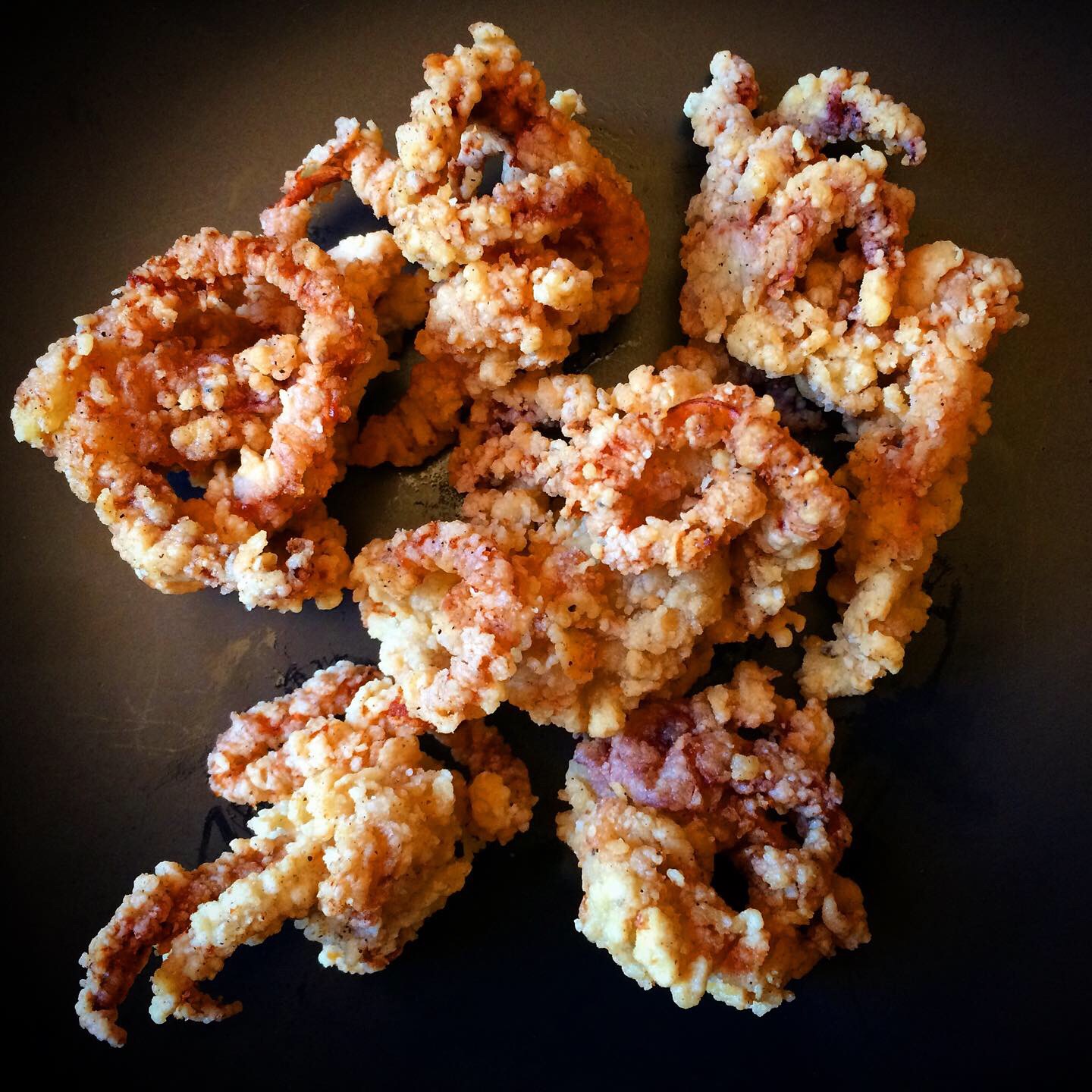

Fried Squid – Whole baby squid, a tiny bit spicy. One of my favorites here.
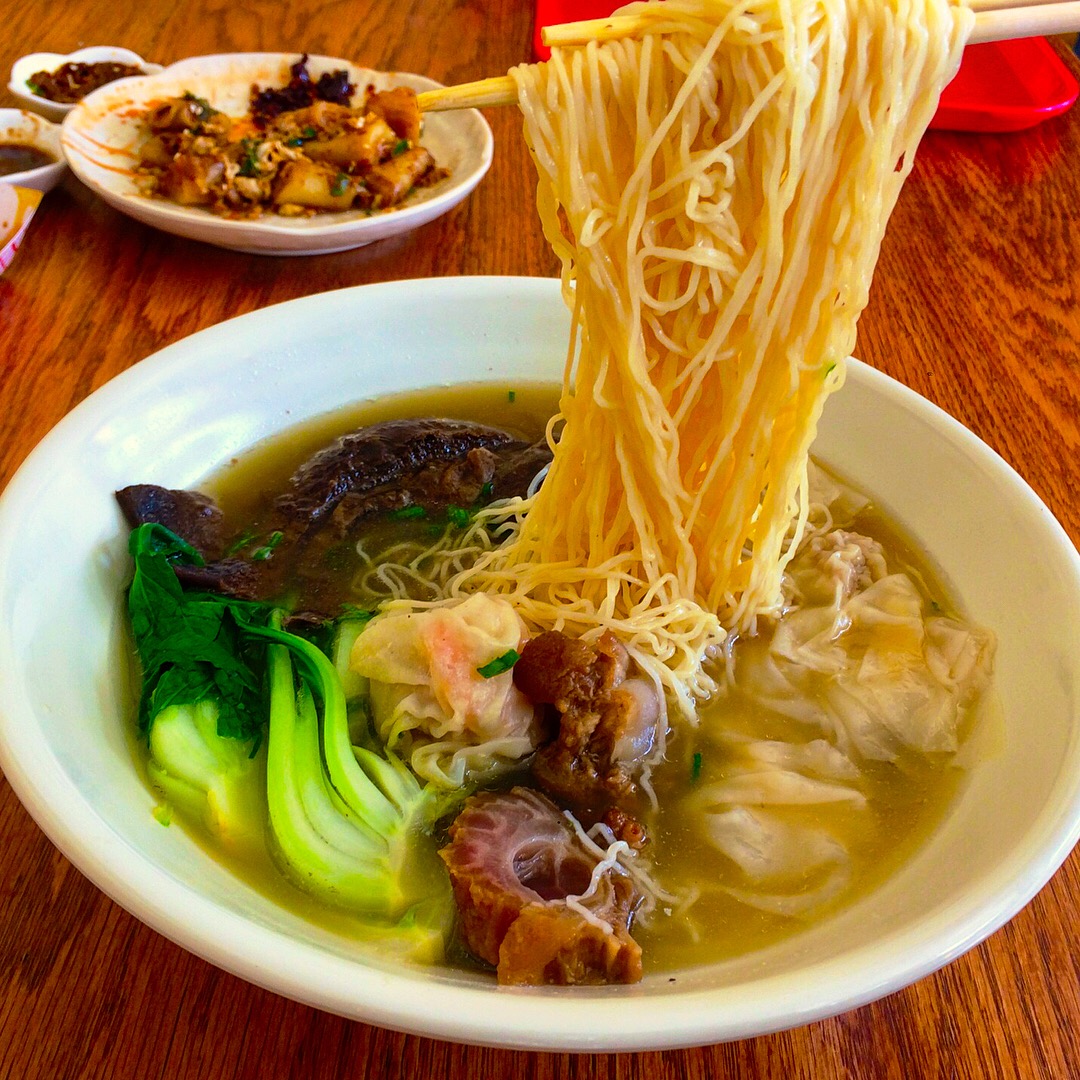

Another Cart Noodle Soup: The obligatory noodle lift shot. There are scores of combinations of noodles and add-ons. (And no, I haven’t done the math – too busy slurping. 😉)
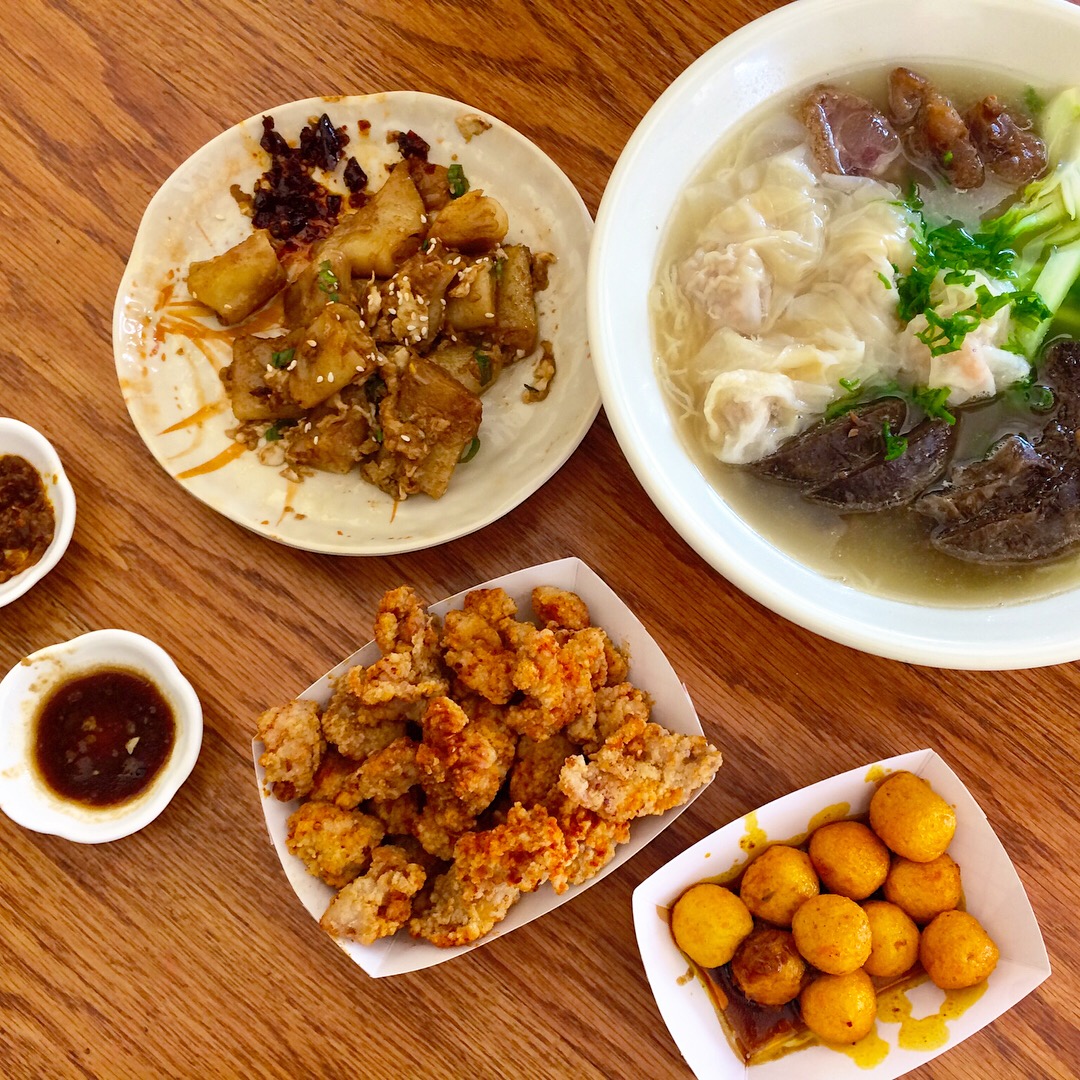

The equally obligatory helicopter shot featuring their Taiwanese Style Popcorn Chicken (the spicy seasoning is sprinkled on the top, so mix ’em up a little) and curry fish balls – more chewy goodness.
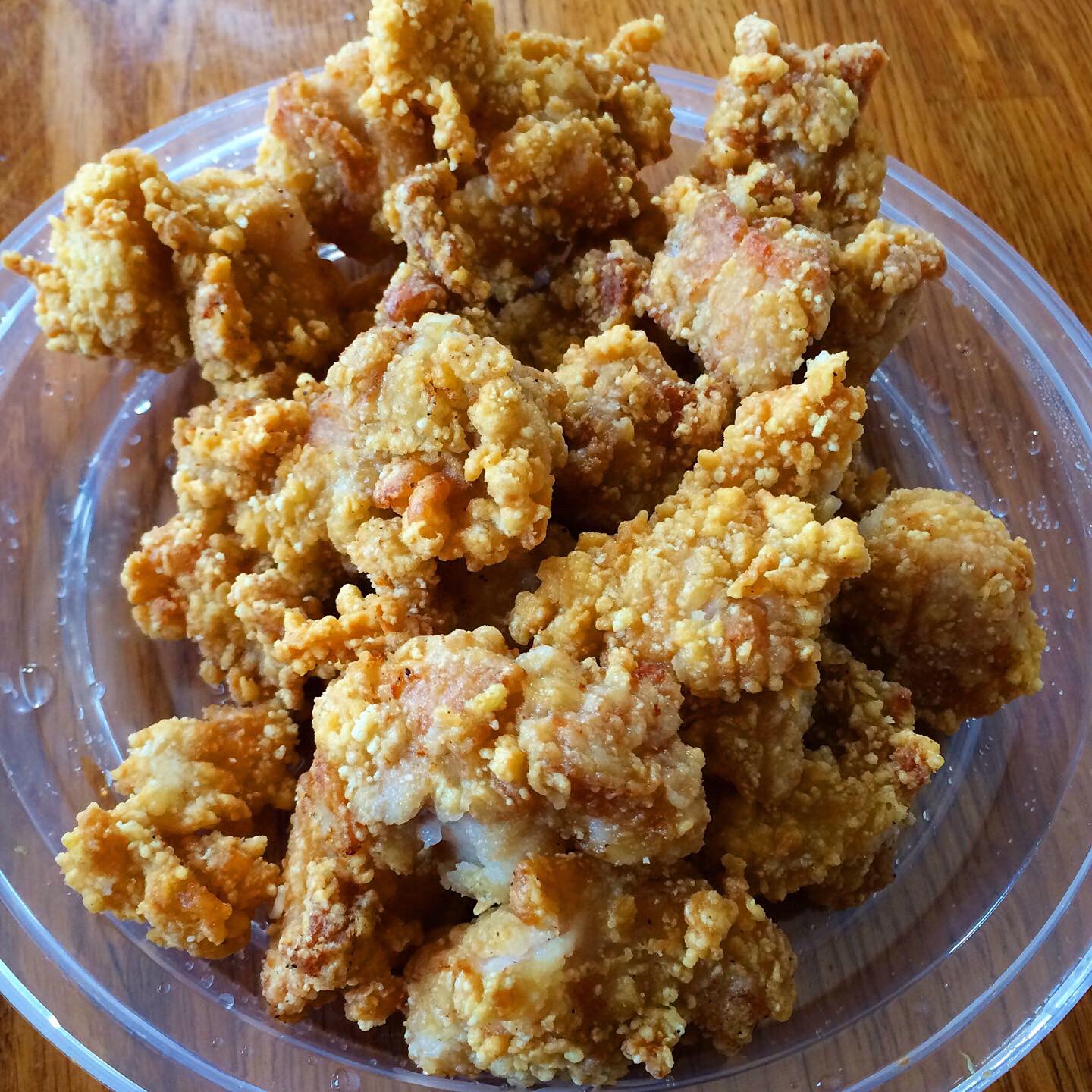

Closer view of the popcorn chicken.
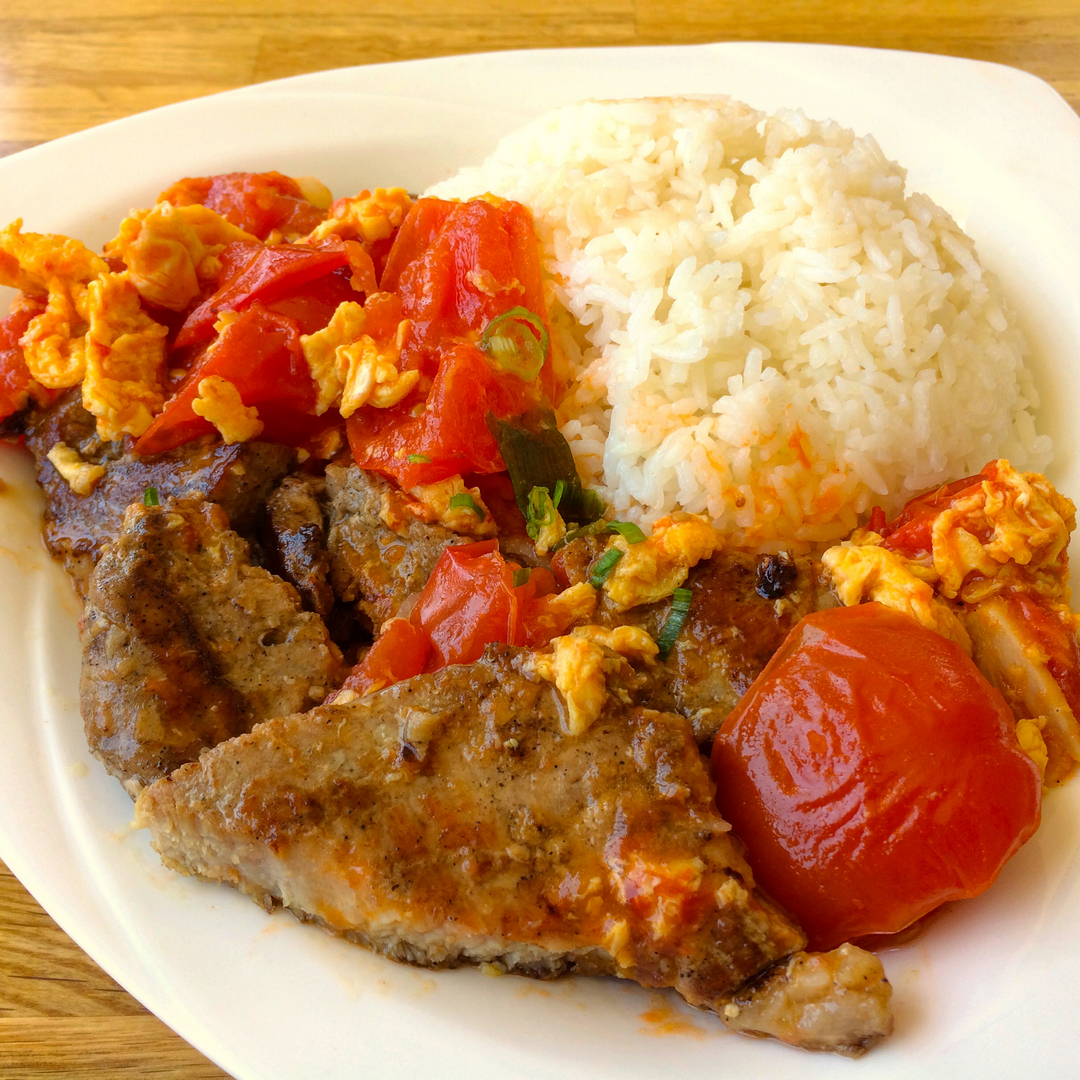

Tomato Fried Eggs with Pork Chop was on the specials board on another occasion. The pork chop was good, the tomato/eggs (a classic Chinese dish) even better. I kicked up the rice with a little of their amazing housemade curry and garlic sauces and rounded out the meal with their delicious Hong Kong style milk tea.



Little House Cafe – Savory Taro Cake

Instagram Post 7/29/2018

(Click on any image to view it in high resolution.)

Unlike their sweet layered dessert taro cake that I’ve written about here, this kind of savory steamed taro cake is more akin to the variety you might request at Chinese dim sum. Grabbed from the grab-n-go prepared food area near the register at Little House Café, 90-19 Corona Ave in Elmhurst, Queens, having gone home, I fried it lightly to heat it through. So easy and so good. Little House Café is an Asian fusion counter service venue with a few tables and remarkably delicious food. I’ve said it before: these folks definitely have their own spin on Malaysian food (even if this one is relatively Chinese) – and I like it!


Sing Kee – Beef Short Ribs in a Pumpkin

Instagram Post 7/19/2018

(Click on any image to view it in high resolution.)

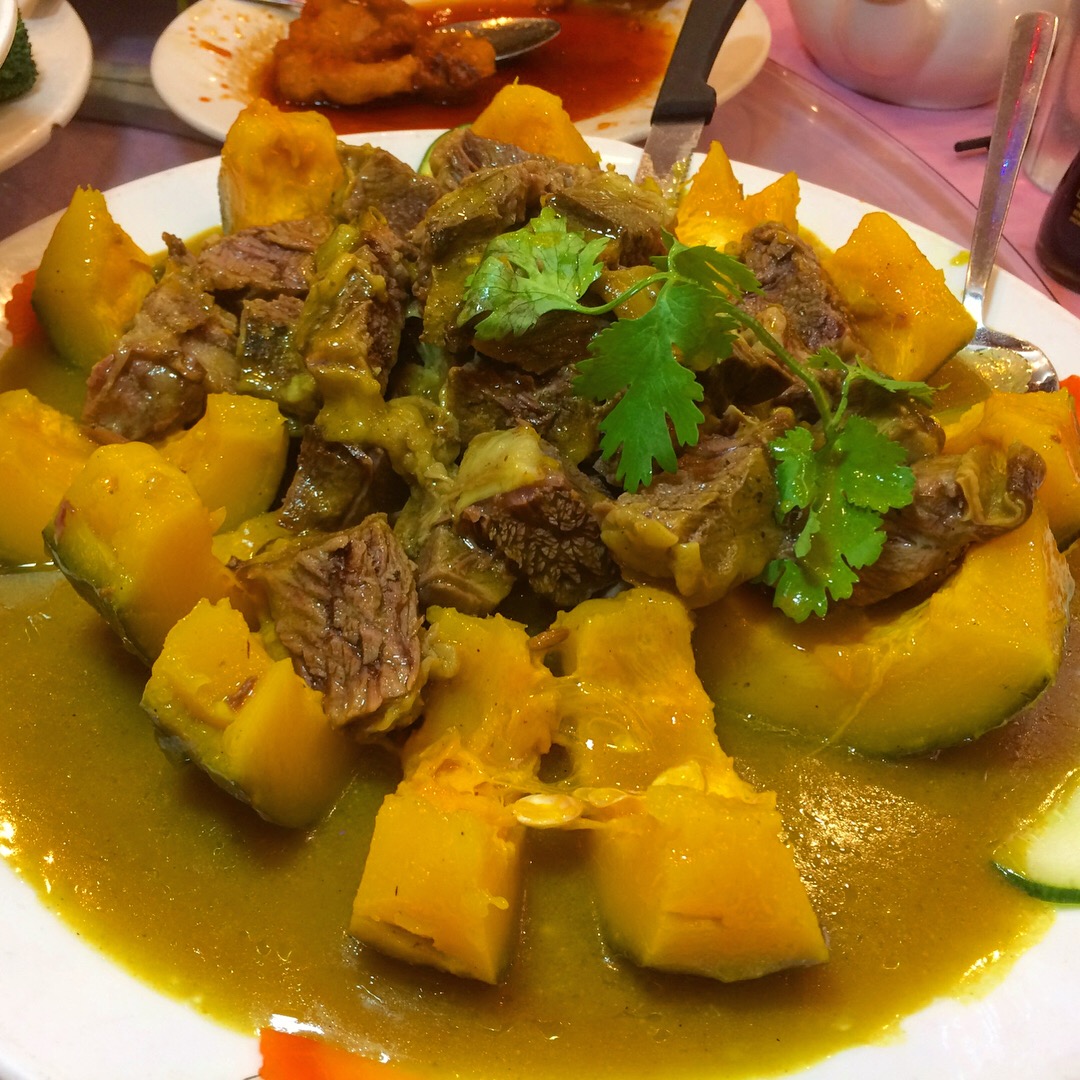
It’s described as a “Top Pick” on the menu at Sing Kee, 42 Bowery in Manhattan’s Chinatown, so we obligingly picked it as one of our Cantonese banquet choices. Beef Short Ribs in a Pumpkin was a study in tenderness, both the meat and the squash, lounging in a mild curry gravy. The presentation was appealing as well: sliced into wedges, it fell open, looking like chunky flower petals encircling a beefy nucleus.

(🤔 “Short Ribs in a Pumpkin.” You could Sing it in the Key of “Three Coins in the Fountain.” 😉)


Sing Kee – House Special T-Bone Steak

Instagram Post 7/12/2018

(Click on any image to view it in high resolution.)

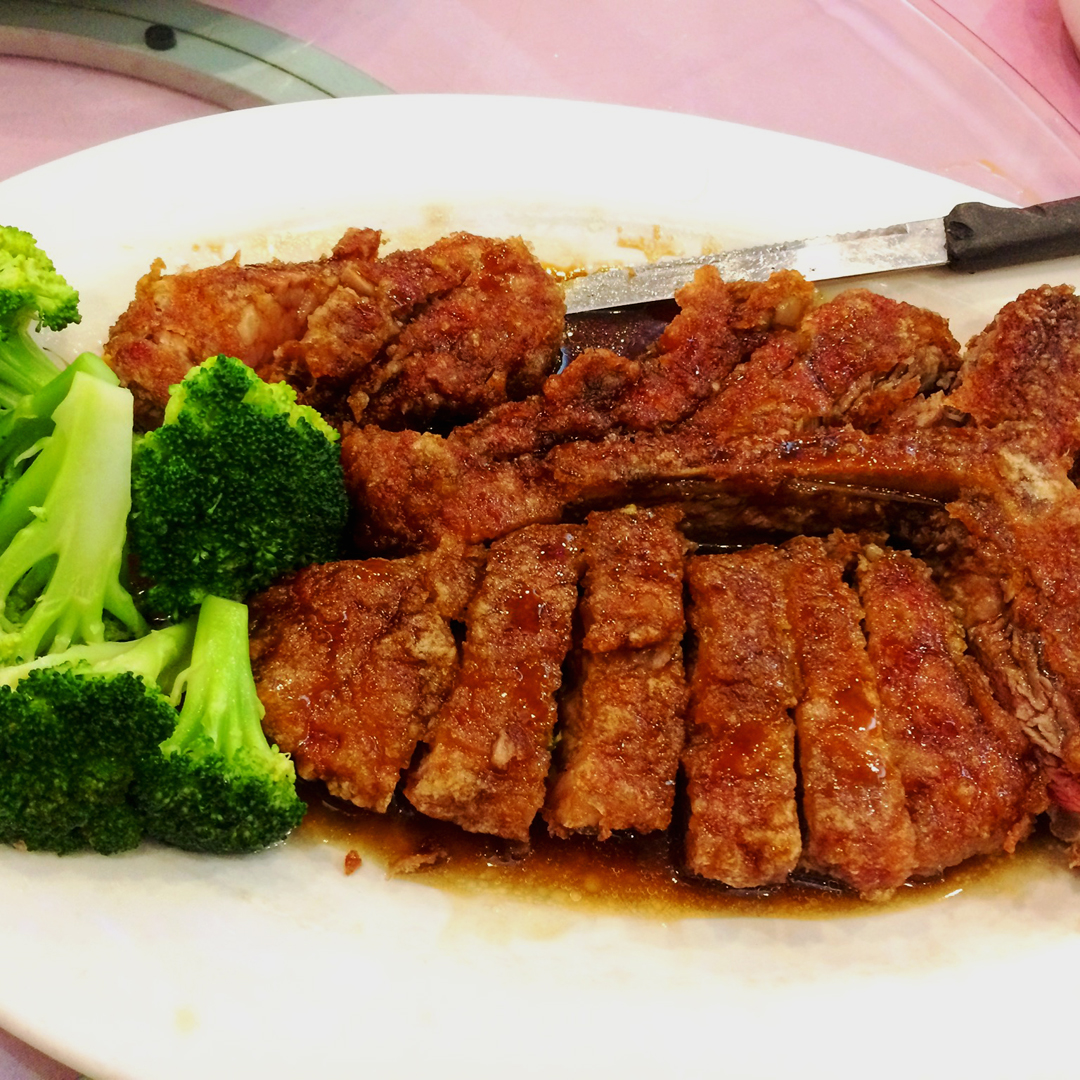
Another scene from our Cantonese banquet at Sing Kee, 42 Bowery in Manhattan’s Chinatown. I had heard about their battered, fried, House Special T-Bone Steak from a reliable source so I was totally down with trying it. Insiders’ tip: In order to determine your preference for degree of doneness, they don’t use terms like rare, medium, or well done; rather it’s expressed in terms of percentage. I discovered this when our waiter asked how we wanted it done. As we looked at each other, stumped for a decision, he offered, “17%? 25%?” I think our final vote was, “Um, yeah.”


New Asian Cuisine – Halal Beef Onion Buns

Instagram Post 7/11/2018

(Click on any image to view it in high resolution.)

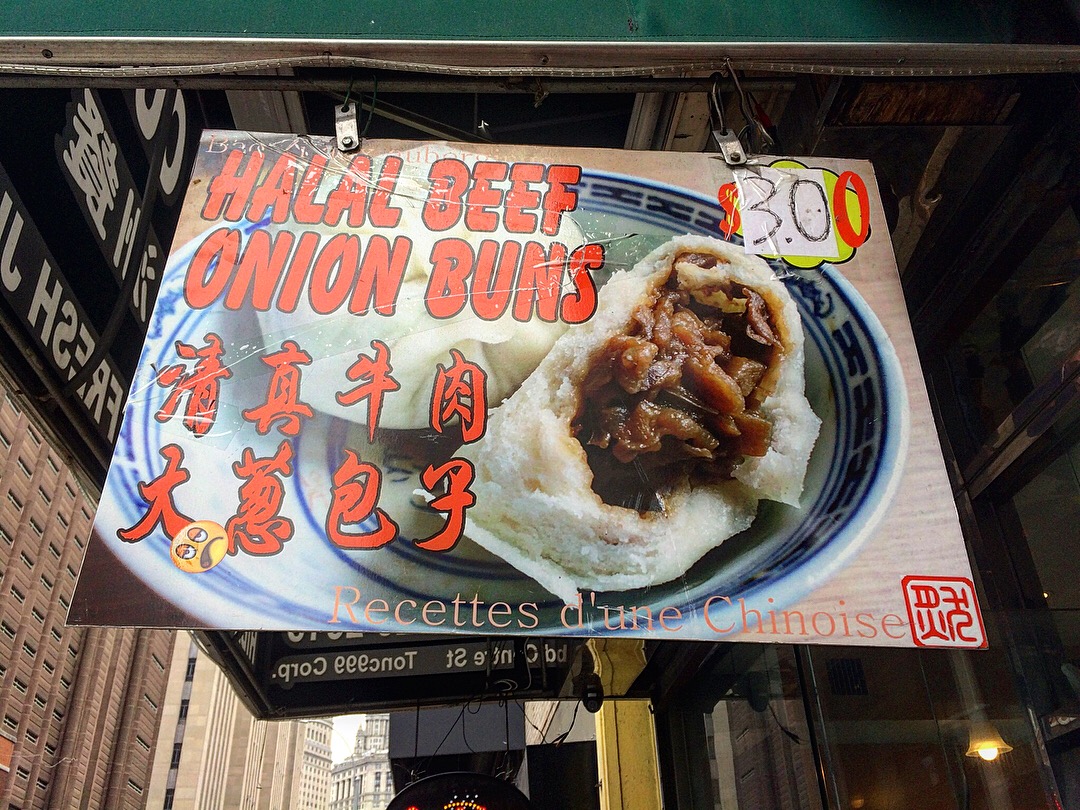
The sign hanging just below the awning of New Asian Cuisine at 153D Centre Street, Manhattan, was what caught my eye: Halal Beef Onion Buns. I believe the Chinese text was literally “Halal Beef – Big Scallion (hence onion) Bun”. The text in French at the bottom (which I can read far better than I’ll ever be able to read Chinese) was “Recettes d’une Chinoise”, Recipes from a Chinese Woman. That was enough to persuade me to venture into what looked like an old school downtown NYC coffee shop that had seen better days.

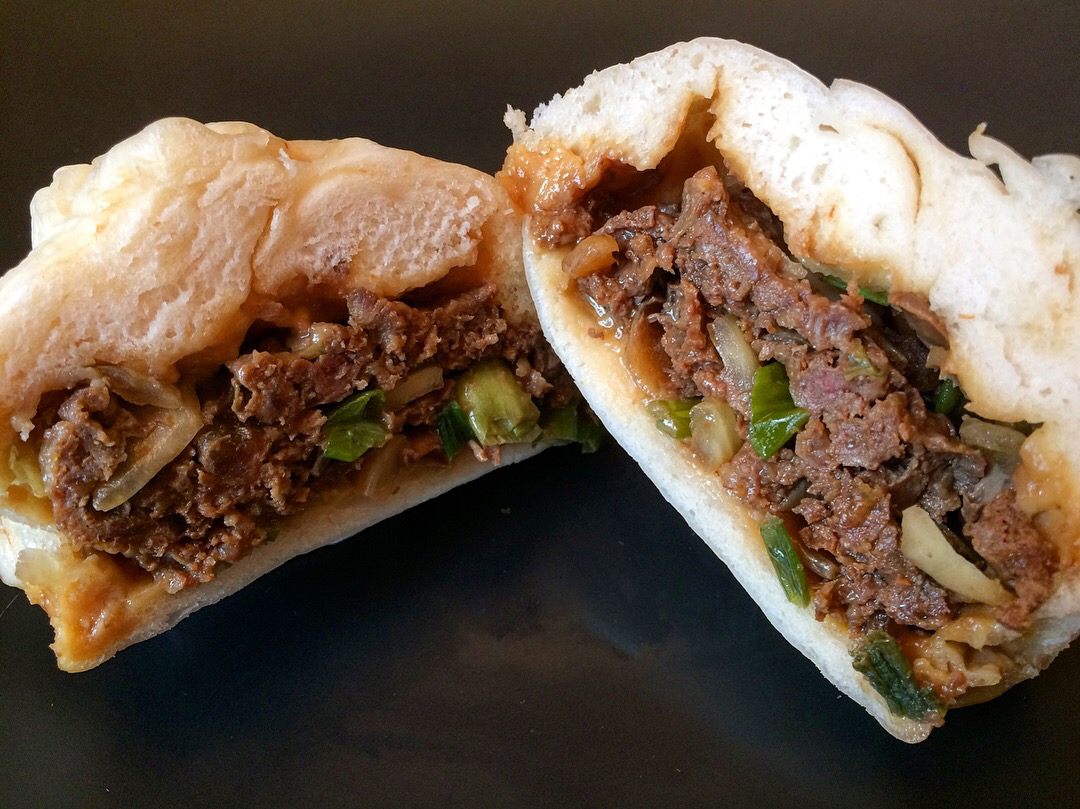
(The second photo shows the inside scoop.)

I don’t know if this inexpensive but tasty snack was really Chinese. I don’t know why the subtitle was in French. And I know even less about that emoji-like face stuck to the sign. But I do know that this steamed bao hit the spot right before I descended into the subway station next door!


Sing Kee – Fresh Squid with Pepper and Spiced Salt

Instagram Post 7/3/2018

(Click on any image to view it in high resolution.)

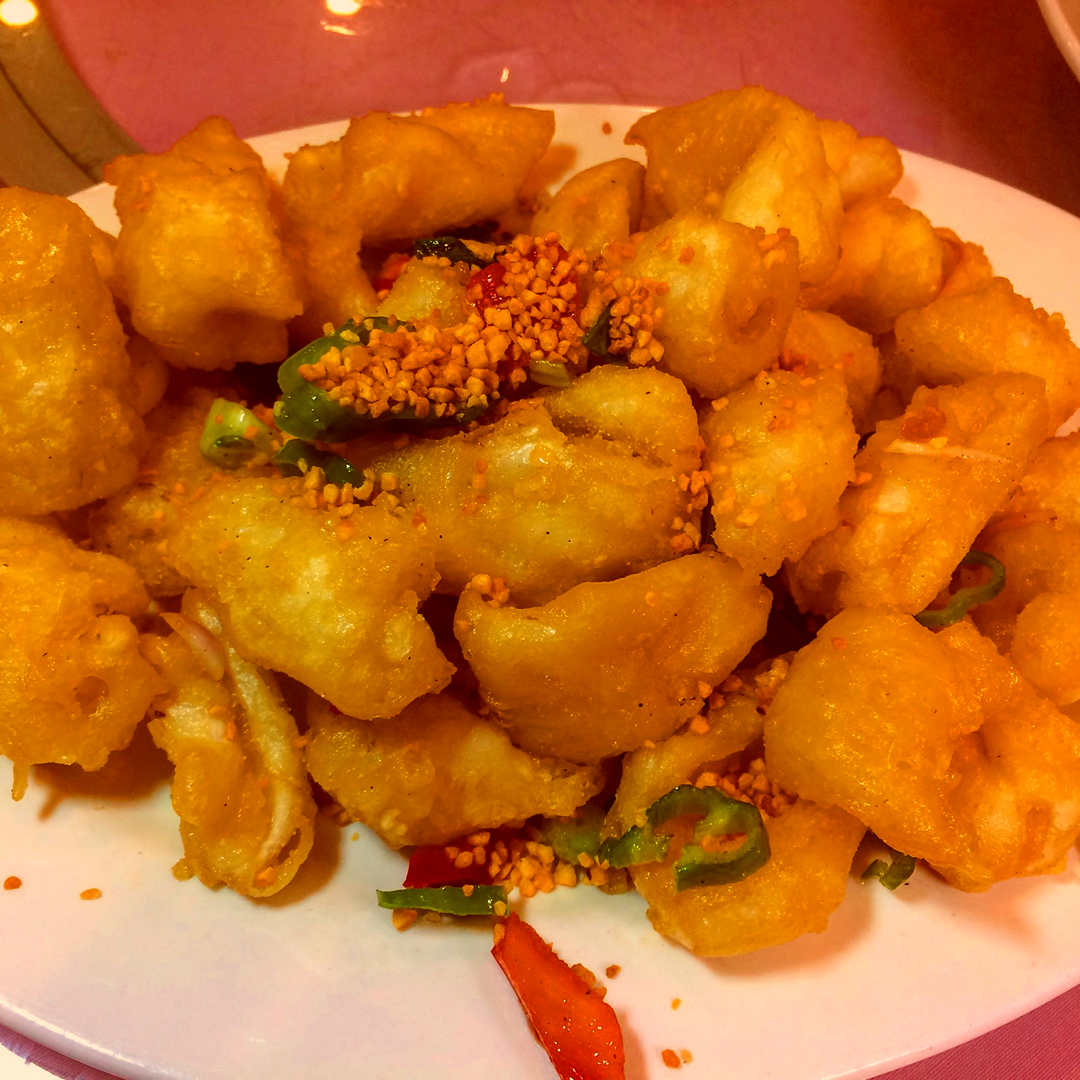
Perfectly tender, perfectly seasoned, perfectly fried Fresh Squid with Pepper and Spiced Salt was one of the best dishes we had at Sing Kee Seafood Restaurant, 42 Bowery – OG Cantonese in Manhattan’s Chinatown. Sometimes, less is more.

(Like the text of this post! 😉)

More dishes from Sing Kee to follow….


Durian’s Best Kept Secret

Back in the seventies (ahem), Saturday Night Live did a sketch about Scotch Boutique, a store that sold nothing but Scotch Tape. They carried a variety of widths and lengths to be sure, but that was it. Just Scotch Tape.

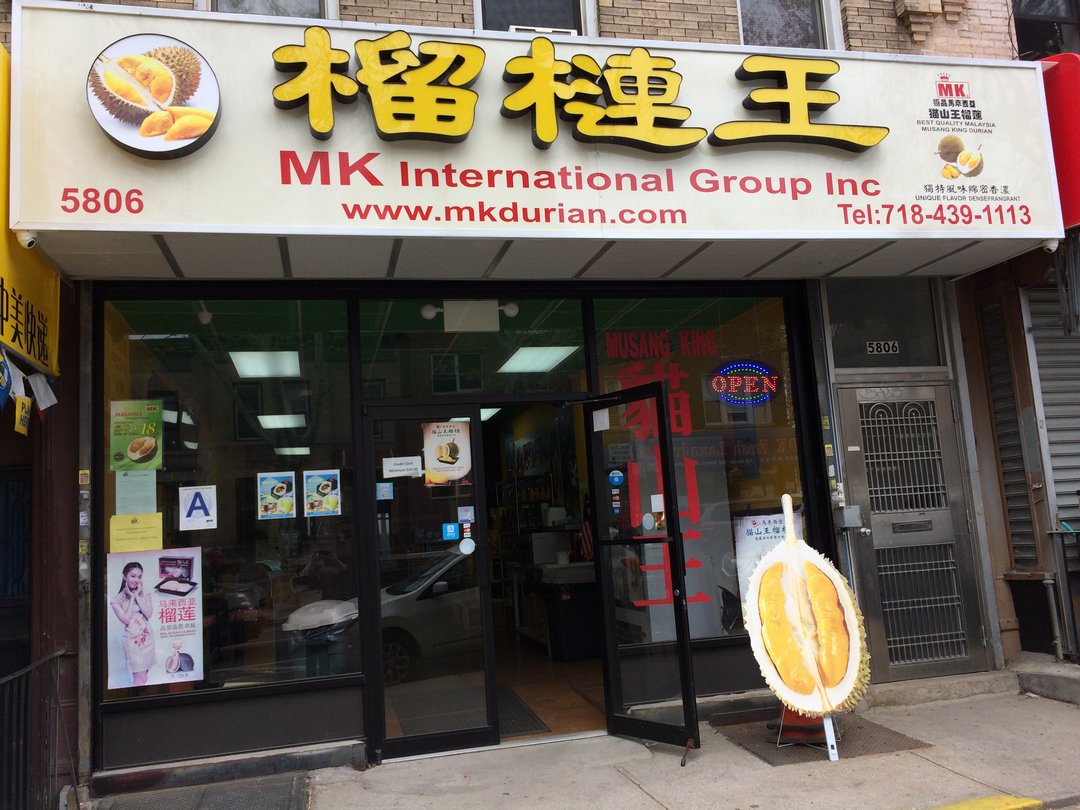
MK Durian Group at 5806 6th Ave in Sunset Park, Brooklyn sells nothing but durian. They carry a variety of cultivars and variations to be sure, but that’s it. Just durian.

And the durian they carry is wonderful.

You’ve probably heard the oft-quoted aphorism about it, “Tastes like heaven, smells like hell” (some would have the order of the phrases swapped but you get the idea), so much so that the fruit is banned from hotels, airlines and mass transit in some parts of the world. (And yes, I’ve been known to smuggle some well-wrapped samples home on the subway.) If you’ve never tasted durian, you might discover that you actually like it; a number of folks I’ve introduced it to on ethnojunkets have experienced that epiphany. There are gateway durian goodies too, like sweet durian pizza (yes, really), durian ice cream, candies, and freeze dried snacks and they’re all acceptable entry points as far as I’m concerned.

It’s difficult to pinpoint what durian smells like. The scent appears to defy description; I’ve encountered dozens of conflicting sardonic similes, but suffice it to say that most people find it downright unpleasant. Although I have a pretty keen sniffer, somehow its powerful essence doesn’t offend me although I am acutely aware of it – just lucky I guess, or perhaps I’m inured to it – because this greatly maligned, sweet, tropical, custardy fruit is truly delicious. So I was thrilled to learn about MK Durian Group (aka MK International Group) from Dave Cook (Eating In Translation) whom I accompanied on a visit there.

Often called the King of Fruits (perhaps because you’d want to think twice about staging an uprising against its thorny mass and pungent aroma), it comes by its reputation honestly but with a footnote. The divine-to-demonic ratio varies depending upon the cultivar and, if I understand correctly, a window of opportunity when certain cultivars are sweet and nearly odorless simultaneously. This, I believe, is durian’s best kept secret. But more about that in a moment. (Click on any photo to view it in high resolution.)

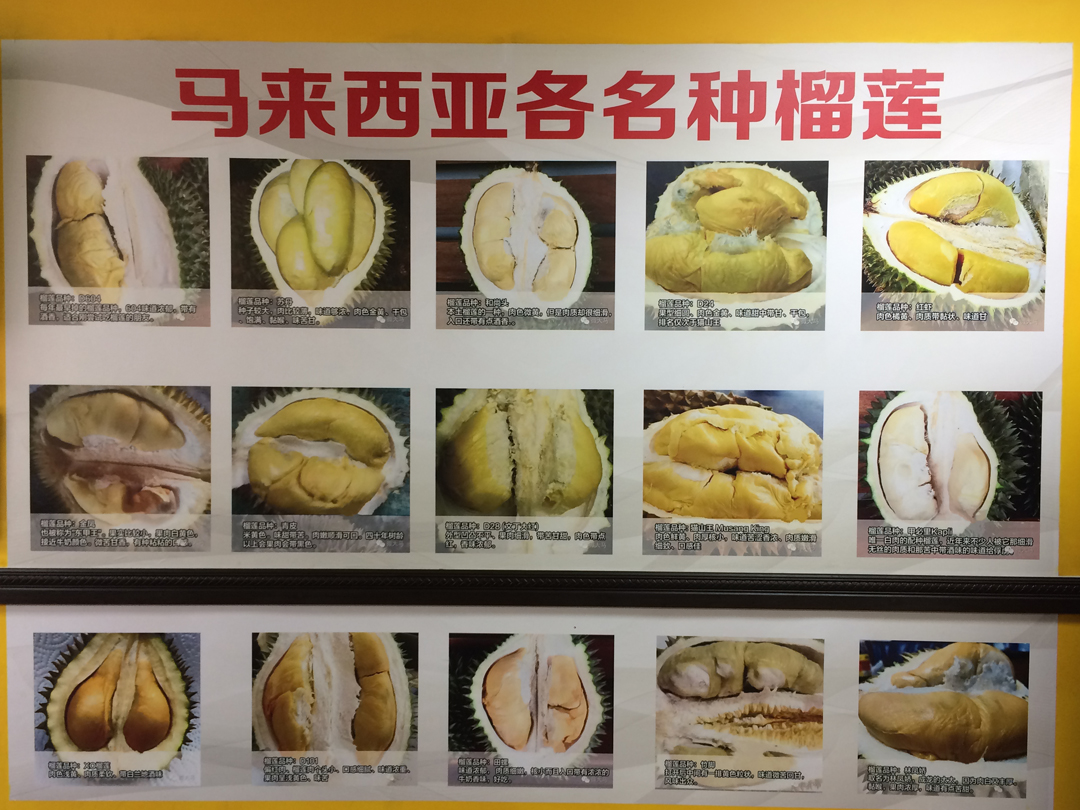
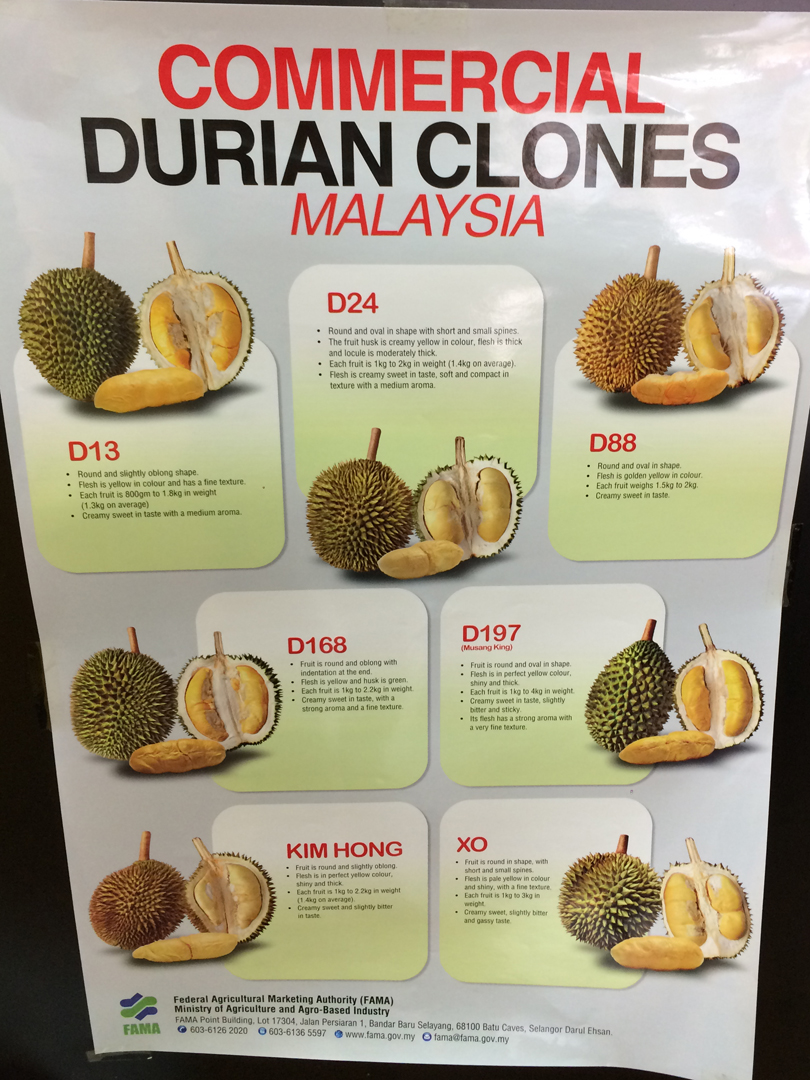
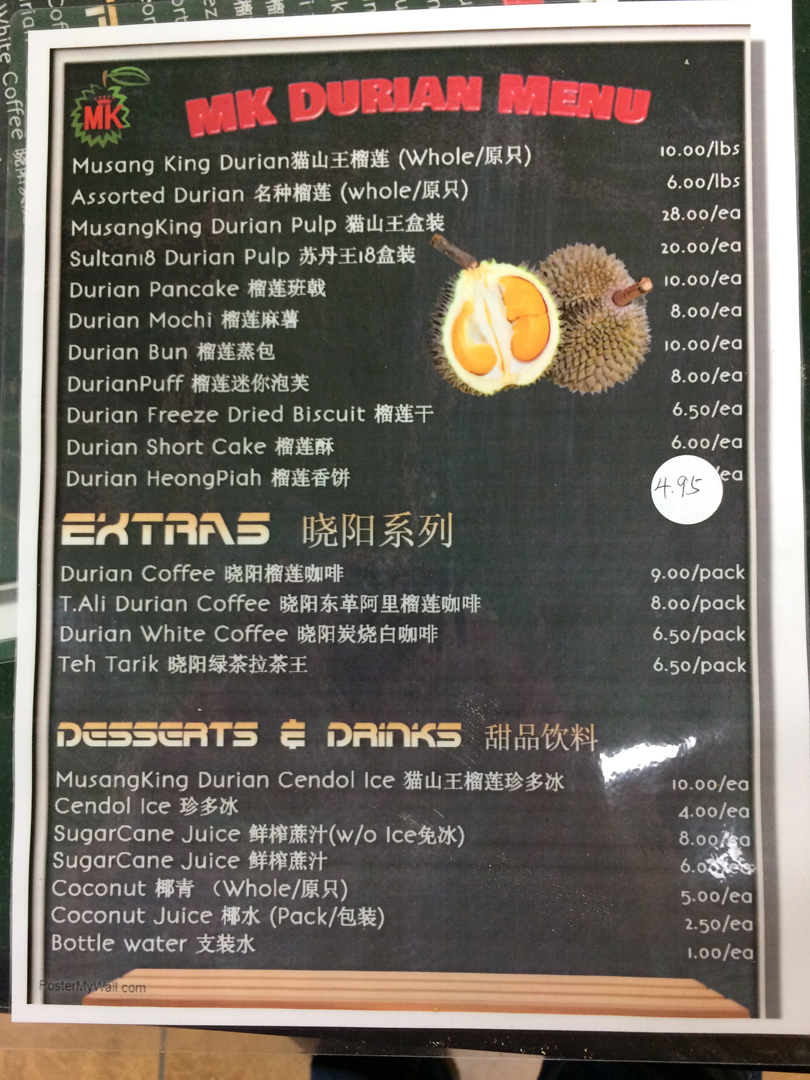
MK Durian Group works directly with plantations in Malaysia and is a wholesaler and distributor to restaurants and retailers in addition to catering to walk-in customers. We entered the commodious space with its many tables, all unoccupied at the time. Chinese-captioned signs showing photos of fifteen cultivars and another seven in English decked the walls along with a menu that, in addition to a price list for the fruit itself, included durian pancakes, mochi, and a variety of cakes, buns, and biscuits, a concession to the timid, perhaps. Durian cultivars are typically known by a common name and a code number starting with the letter “D”, so you might see Sultan (D24) or Musang King (D197), but sometimes you’ll find just the code numbers or sometimes just names like XO or Kim Hong. Scientists continue to work on hybrids to maximize flavor and minimize unpleasant smell.
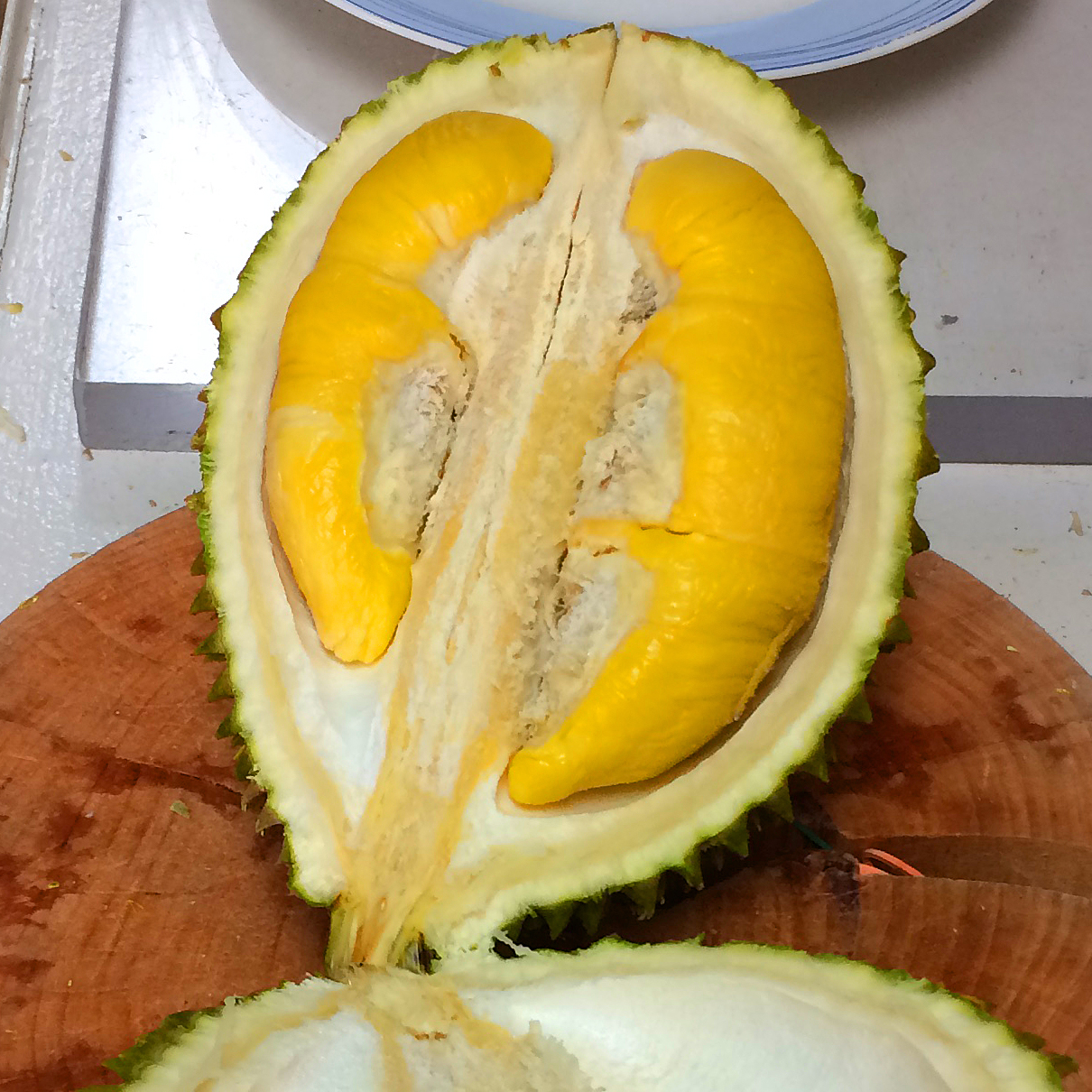
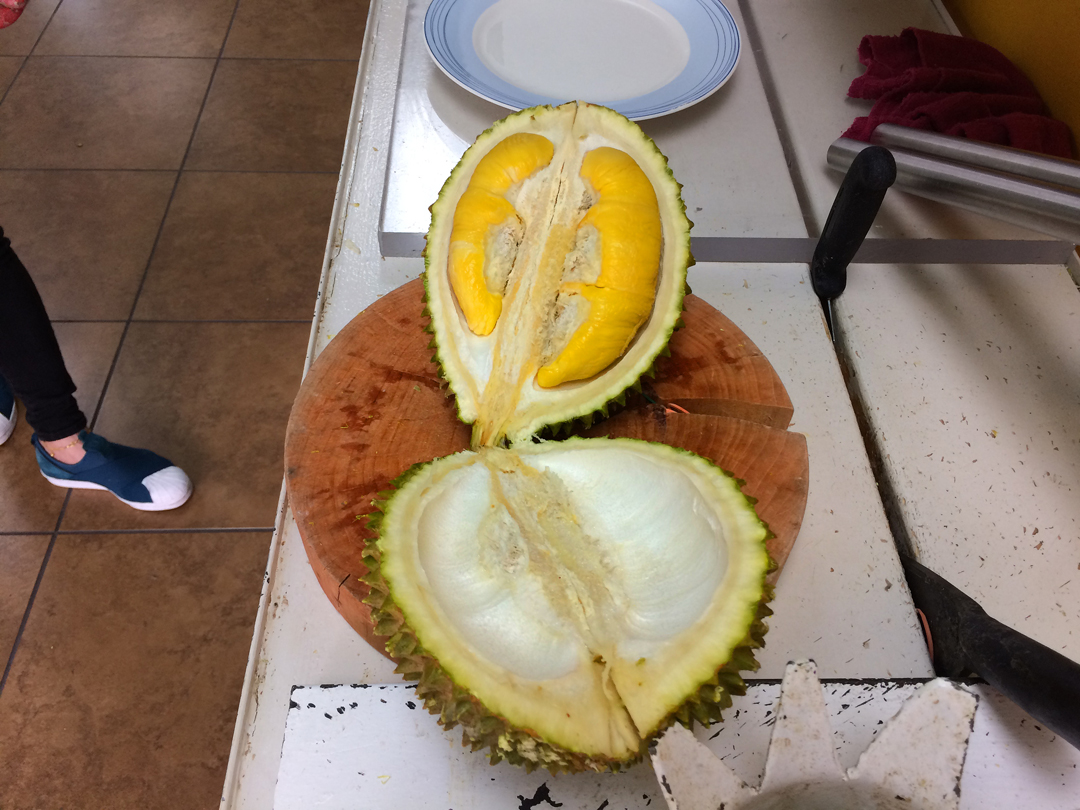
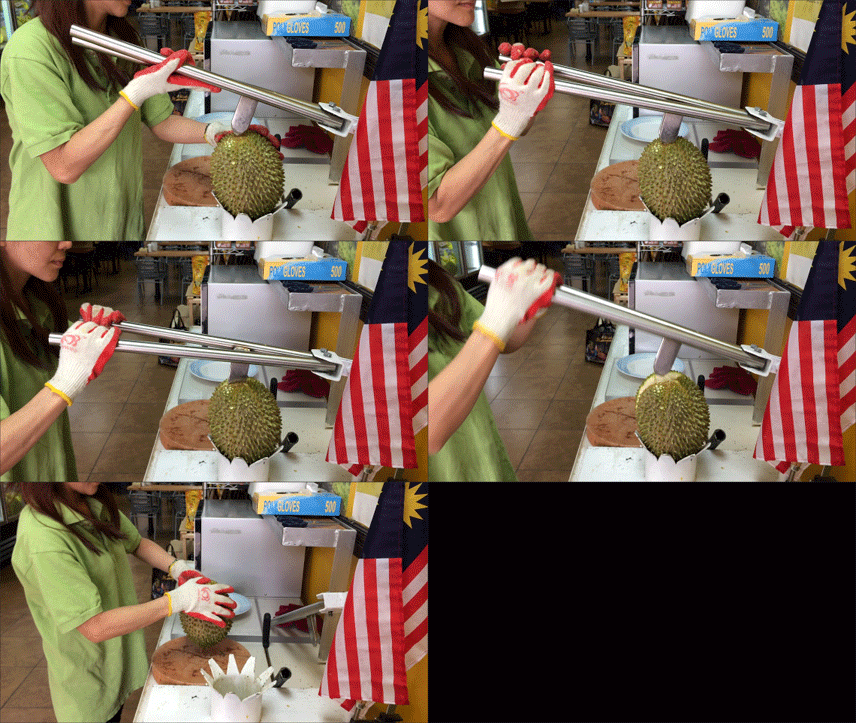
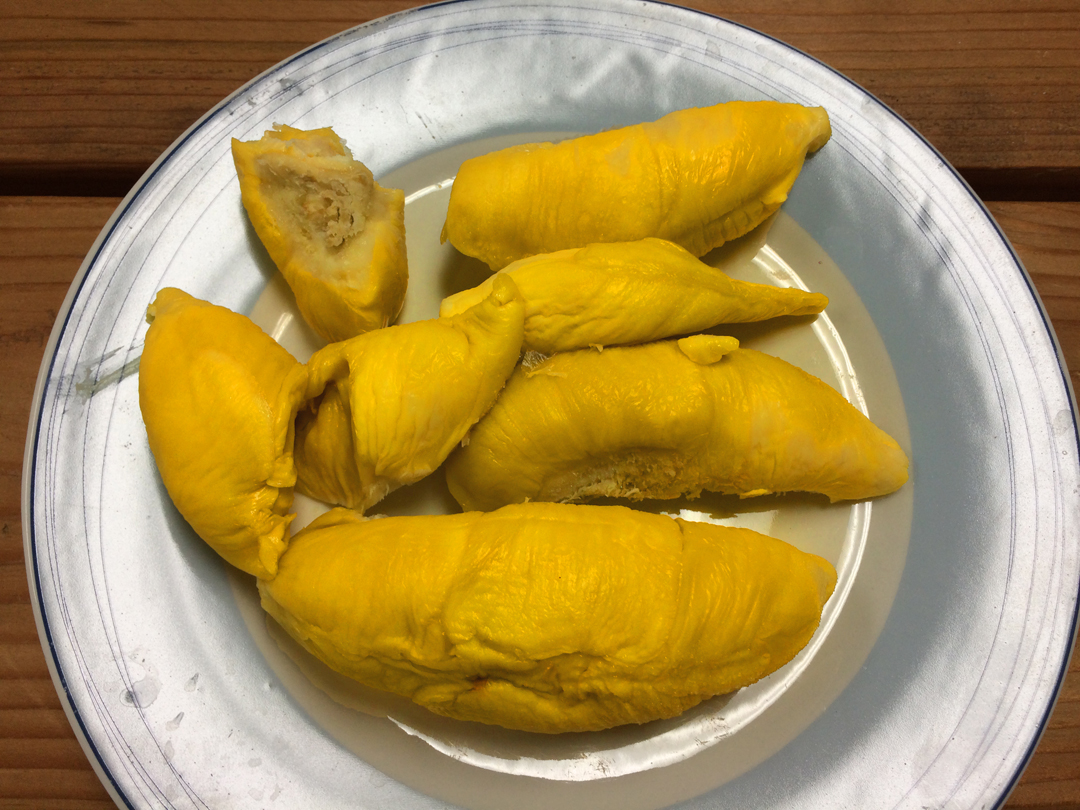
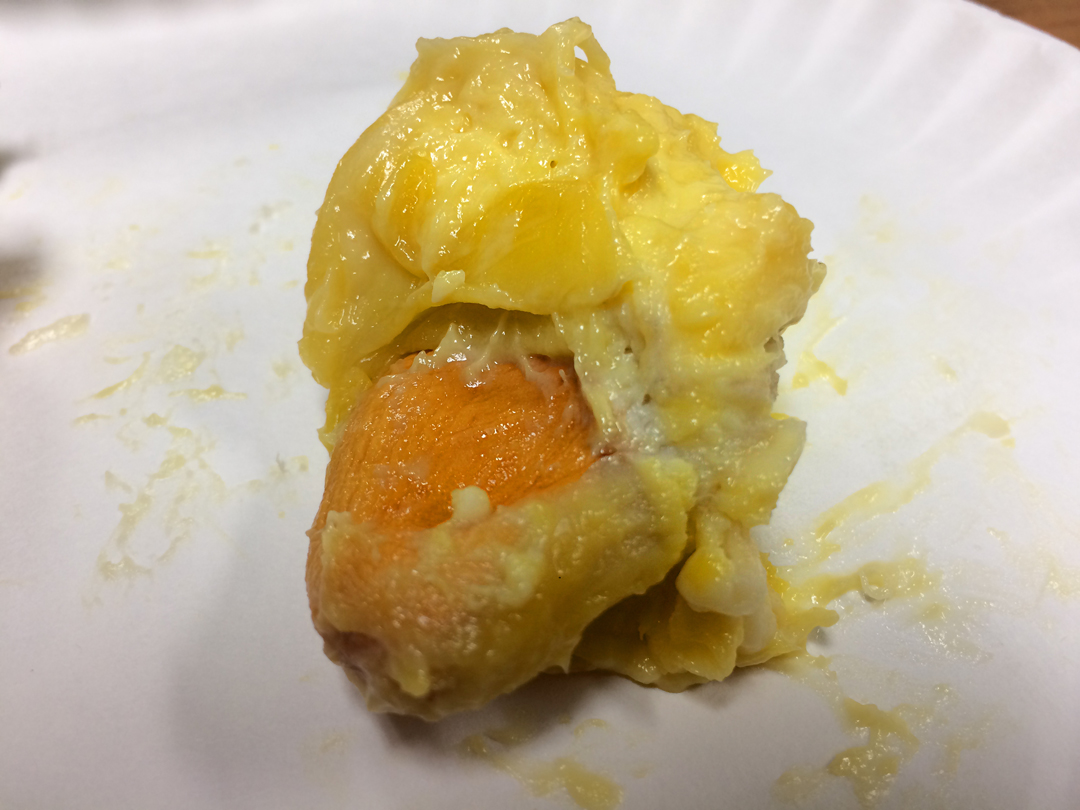
Fion, without whom I would have been at a complete loss, urged us to get the Musang King, often regarded as the king of the King of Fruits. She selected one from the freezer case and microwaved it for a few minutes to thaw it but not warm it up. Our four pounder, stripped of seeds and rind, ultimately produced about one pound of (expensive but) delicious fruit.Using an apparatus that looked a little like some sort of medieval torture device to crack the husk, she then adeptly removed the yellow pods; each pod contains a single seed that can be used in cooking like those of jackfruit. The fact that the receptacle used for holding the durian looked like a crown was not lost on me – truly befitting the King of Fruits. We took our treasure to one of the tables where boxes of plastic poly gloves were as ubiquitous as bottles of ketchup would be on tables at a diner.

That Musang King was perhaps the best durian I had ever tasted, so much so that my new personal aphorism is “Durian: The fruit that makes its own custard.”

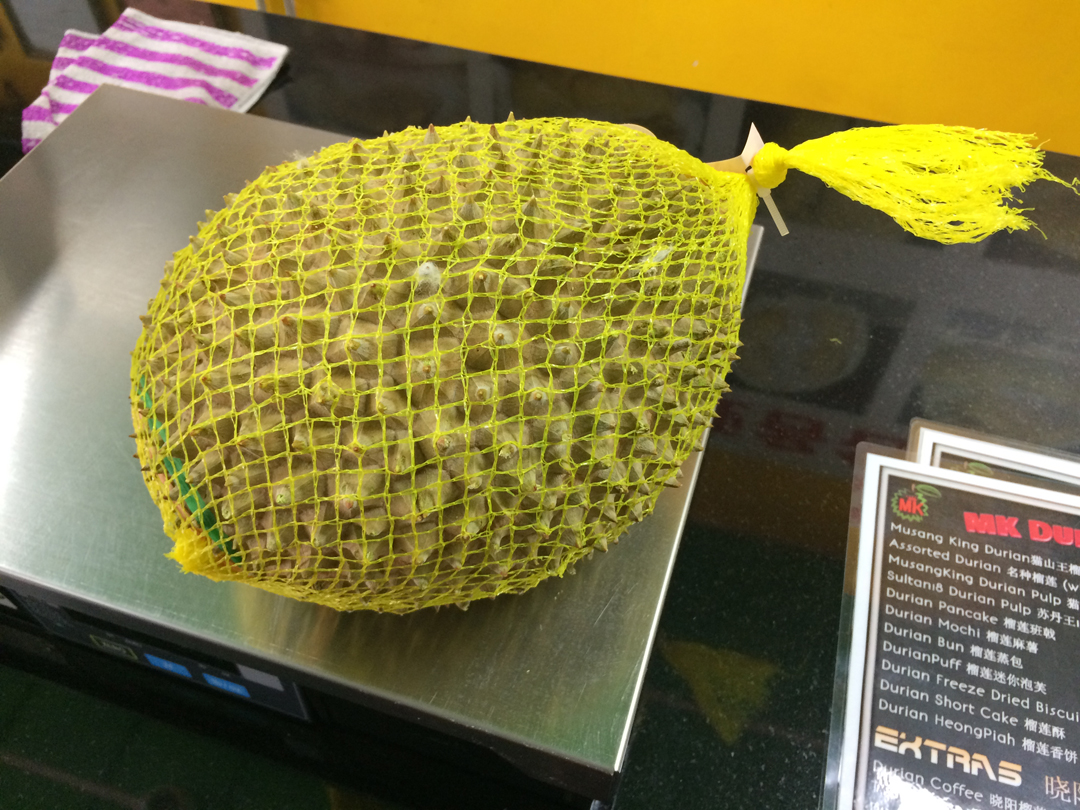
You may have seen durian in Chinatown in yellow plastic mesh bags where the fruit is often sold by the container and you don’t have to buy a whole one; you might conceivably experiment with whatever is available. But these were a cut above. As we left, I realized that something about the experience had been unusual: I asked Dave if he had noticed any of the customary malodourous bouquet. He replied no, but he thought perhaps he was a little congested that morning. I knew I wasn’t congested that morning. There had been no unpleasant smell to contend with. Had we stumbled upon that elusive golden window of odorless but sweet opportunity? Was that particular Musang King odor free? Or perhaps all of them in that lot? Did it have something to do with the fact that it had been frozen and thawed? We were beyond the point of going back and asking Fion, but I think it’s worth a return visit to get some answers!