Max & Mina’s

Instagram Post 4/22/2019

(Click on any image to view it in high resolution.)
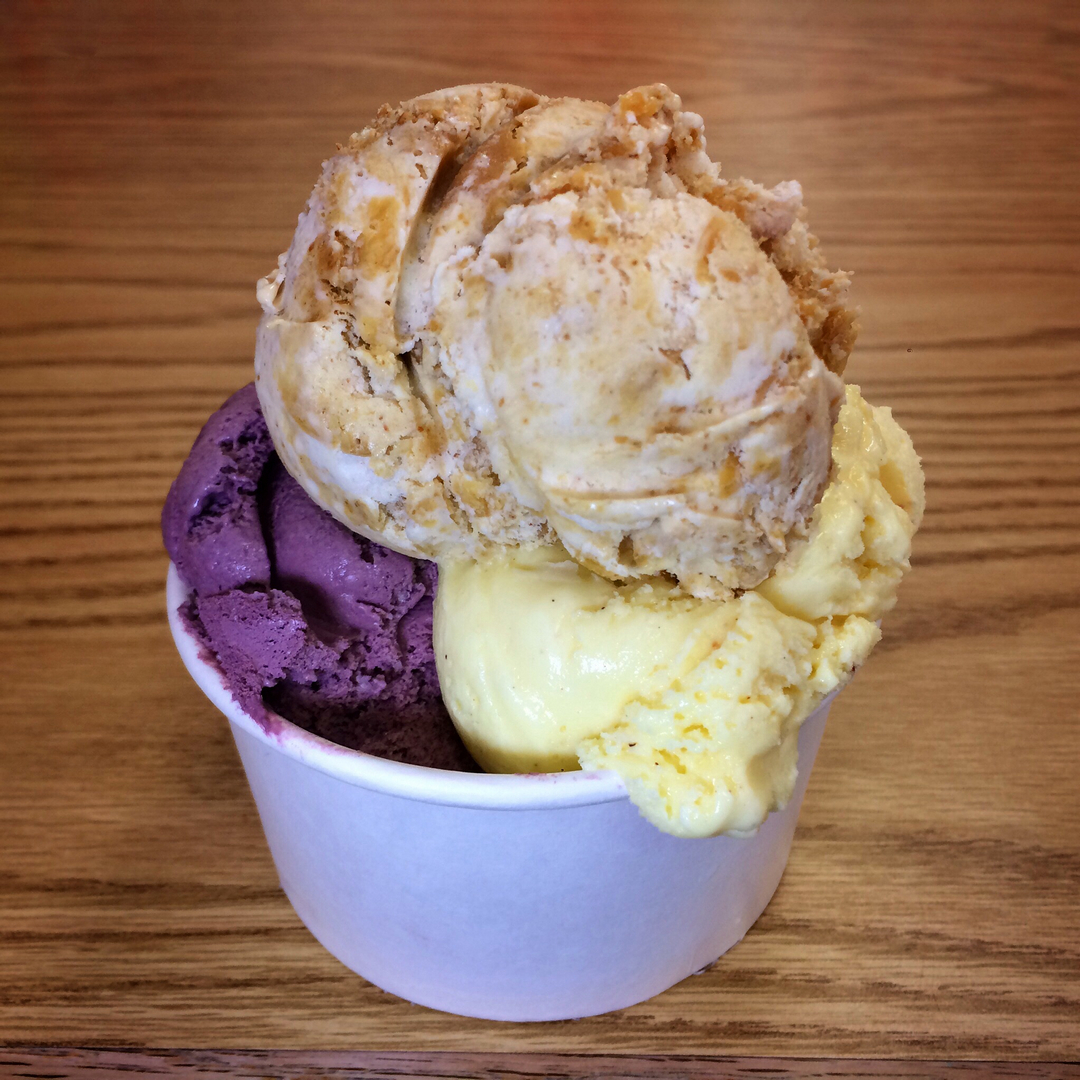
Since we’re in the middle of Passover and warm weather is inching ever closer, I can think of no better time than to recount the story of my pilgrimage to Max & Mina’s Ice Cream at 71-26 Main Street in Kew Gardens Hills, Queens. That they’re kosher is beside the point – and their over-the-top decor showcasing covers from 60’s era Mad Magazines, cereal boxes, and other memorabilia against a seaside themed subplot is just the tip of the icecreamberg. It’s the seemingly infinite roster of unique, unusual flavors they’ve created over the years that’s their claim to fame.

If you can name it, and even if you can’t, they’ve probably made it: Cotton Candy Pop Rocks, Pancake Chip, Sponge Bob, Circus, Snickers, Bourbon, Merlot, Coffee & Doughnuts, every breakfast cereal I can think of like Rice Krispies, Cap’n Crunch, Fruity Pebbles, Cocoa Puffs and Quisp. (Remember Quisp? I wonder if they did Quake.) If your taste runs to the more conventional, there’s always Mint Chip, Pumpkin, Nutty Pistachio, Peach, Rum Raisin, Key Lime Pie and the like. This trio comprises Peanut Butter Pie, Blackberry, and Egg Nog. I’d name more but Instagram limits me to 2200 characters. I’m told that they also have chocolate, strawberry, and vanilla.

So how does Passover factor in? In a nod to Judaica, past flavors have included Nova Lox, Herring, Horseradish, Cholent (a Sabbath stew), Esrog (the yellow citron that’s part of the Jewish holiday Sukkot) and Macaroon. But not only plain macaroon, oh no. How about Chocolate Macaroon, Coffee Caramel Macaroon…the list goes on. Horseradish gets a similar facelift from strawberry and blackberry infused versions as well, and their Babka ice cream really takes the cake.

Note that when you go (and it would be a shonde if you don’t), none of these flavors may be available, presumably to accommodate the latest experiments, but I can guarantee that they’ll be replaced by as many equally intriguing offerings in a rainbow of flavors, colors, and textures.

So nu, what are you waiting for?


Morrone Bakery

Instagram Post 4/16/2019

(Click on any image to view it in high resolution.)

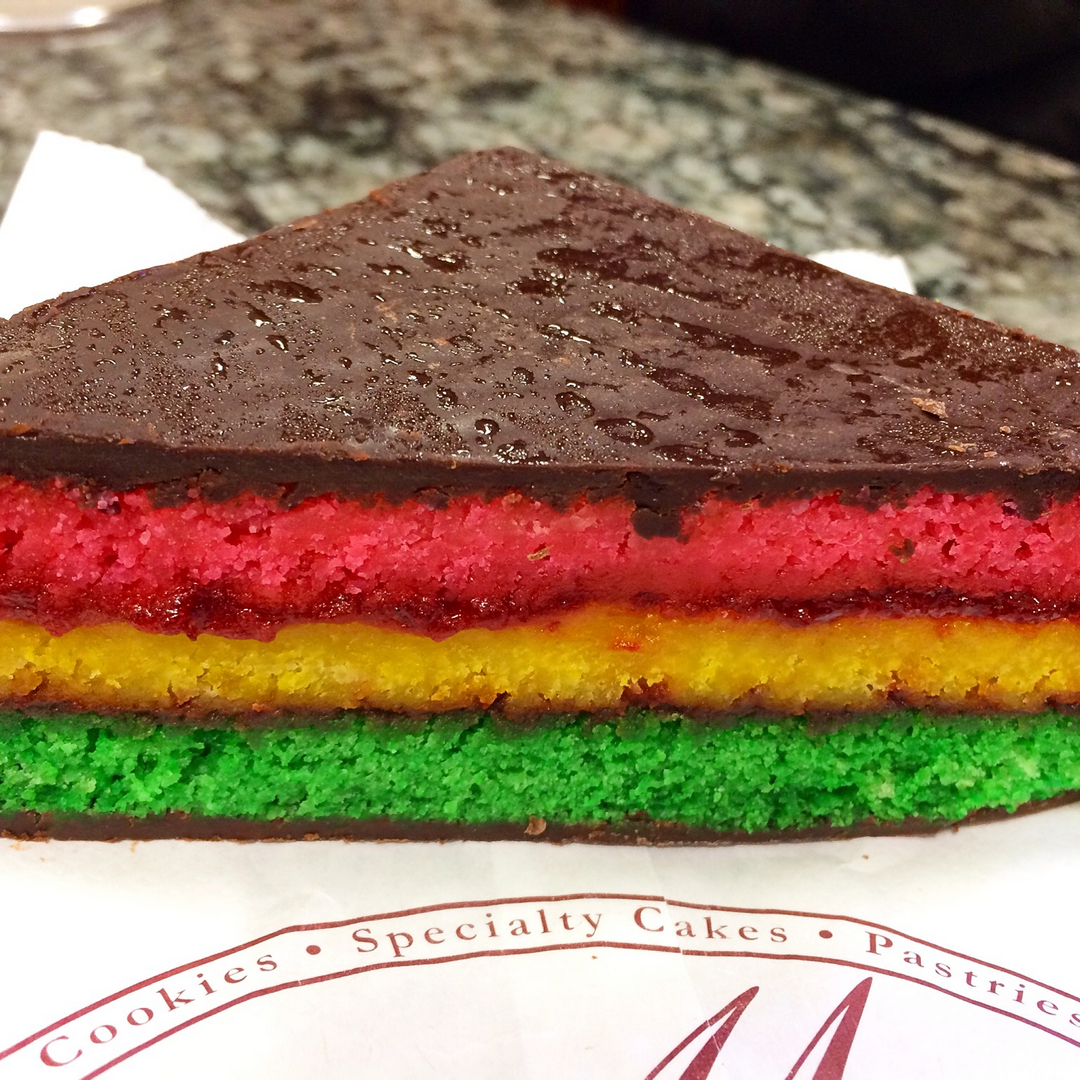
Seems like no one can agree on the proper name for this confection but everyone agrees that by any name it’s noteworthy. It’s the Italian rainbow, three color, tricolore, Neapolitan, Venetian, seven layer (chocolate + cake + jam + cake + jam + cake + chocolate) cookie/cake. And arguably, it’s neither cookie nor cake. It flies the colors of the Italian flag – except sometimes when yellow subs for white (a pennant sallow with age, perhaps?). Fillings range from apricot or raspberry jam or marzipan to cannoli crème (hard to find, but oh so rewarding when you do).

This wedge hails from Morrone Pastry Shop at 2349 Arthur Ave in the Bronx, Belmont’s Little Italy – almost a little too sweet (is that possible?) but good nonetheless. I’m considering working my way through the neighborhood to compare versions in a longstanding quest to equal the one with marzipan and cannoli crème I had last summer from a bakery in Staten Island that is now shuttered. Life is hard.


Mitsuwa Marketplace – Ice Cream

Instagram Post 4/11/2019

(Click on any image to view it in high resolution.)

Is it warm enough yet to start writing about ice cream? (And does it even need to be warm at all?)

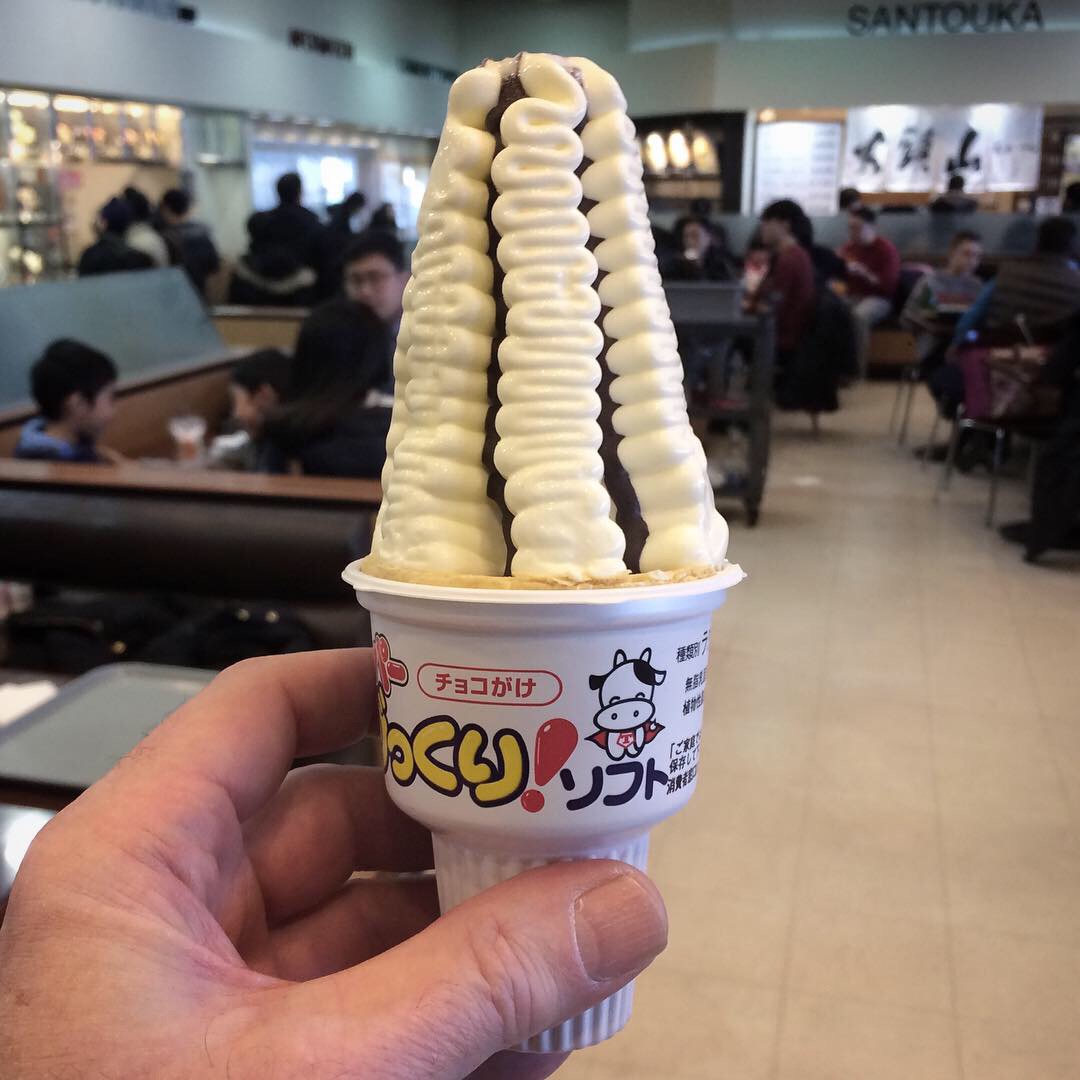
[1] A recent visit to the frozen food aisle at Mitsuwa Marketplace, probably the most comprehensive exclusively Japanese supermarket in the area, turned up this besquiggled, choko-cliff of an ice cream cone that was too visually compelling to forego. I made my way through the red balloon katakana (“super”), the yellow hiragana (bikkuri which means “amazed”), and the creamy soft-serve curlicue to be rewarded with a crunchy chocolate supporting infrastructure.

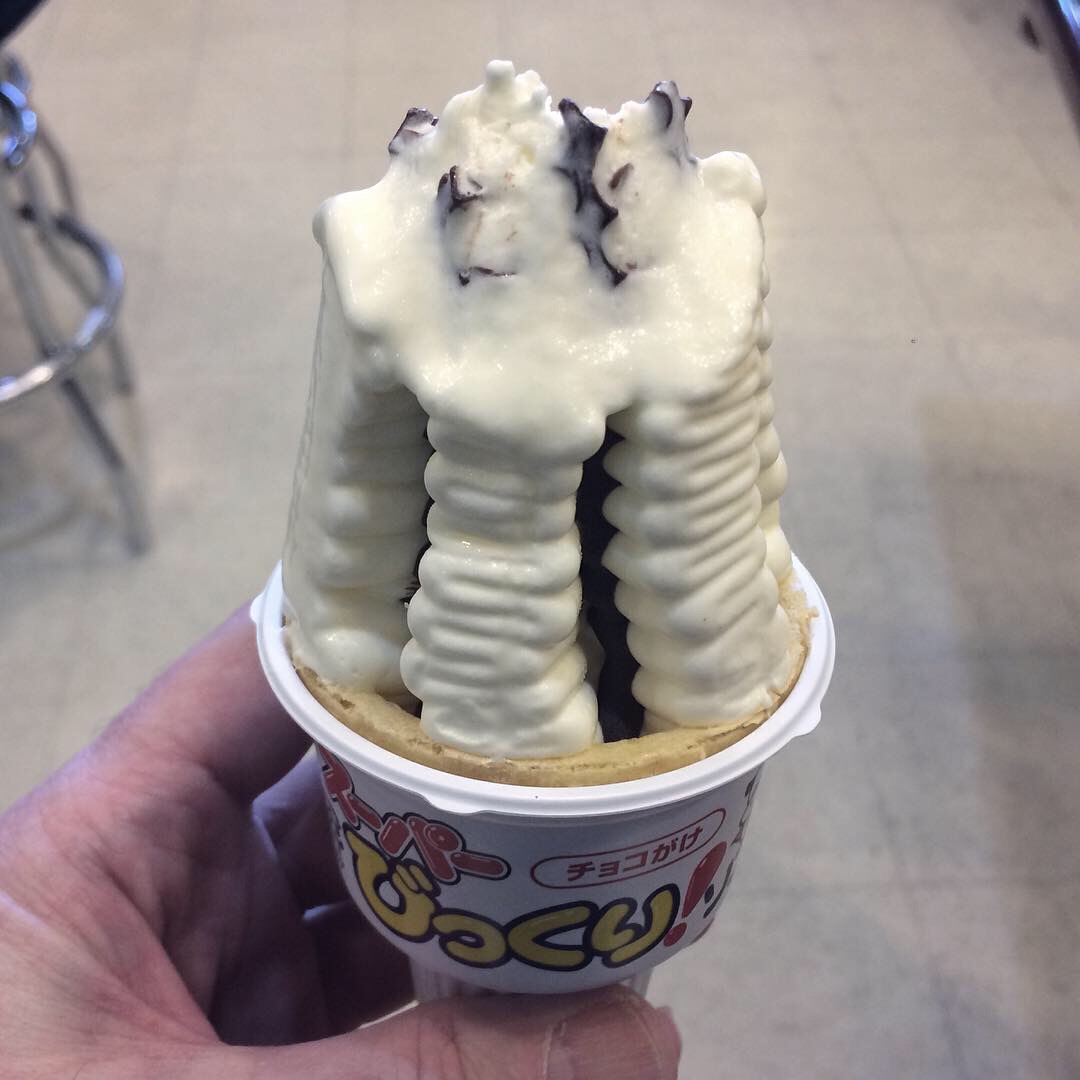
[2] The inside scoop (as it were). Truth in advertising: “amazed” pretty much summed it up.

Mitsuwa Marketplace is located at 595 River Road, Edgewater, NJ.


Teixeira’s Bakery

Instagram Post 4/2/2019

(Click on any image to view it in high resolution.)


Another of my favorite neighborhoods for food exploration is Newark, New Jersey’s Ironbound District. Possibly named for the web of railroad tracks that surround the area or possibly because of its significant metalworking industry, it’s home to a large Portuguese and Brazilian population and, naturally, their cuisines. Since our primary destination was a Burkinabé restaurant in Newark (which I’ll post about soon) and the Ironbound lies at the foot of Newark Penn Station, it begged a quick side visit (is that even possible?) to Teixeira’s Bakery at 186 Ferry St.

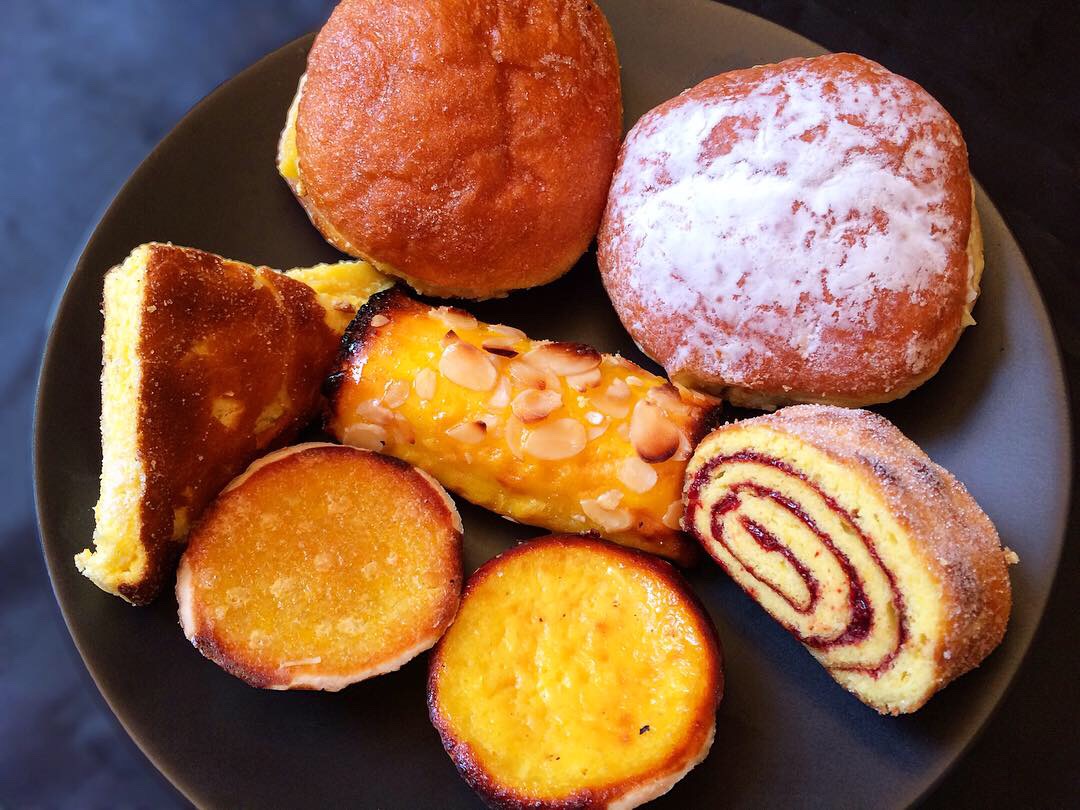
[1] Portuguese pastries are multitudinous in diversity, eggy and delicious.

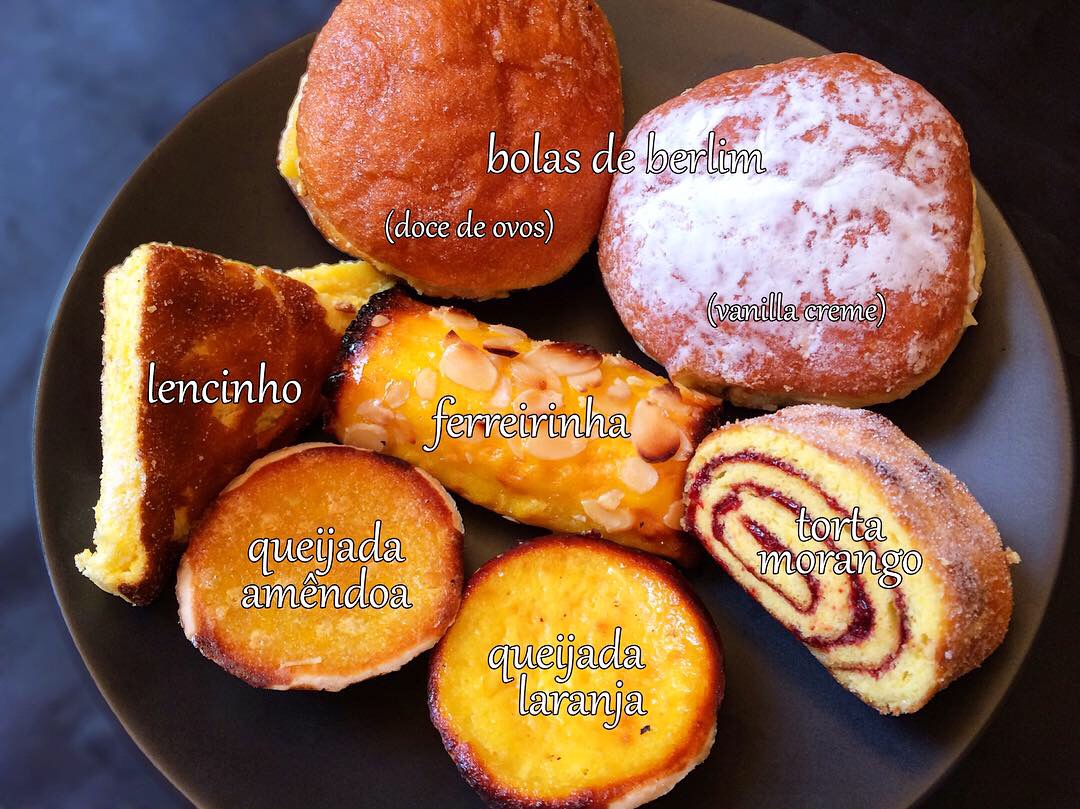
[2] The annotated version:

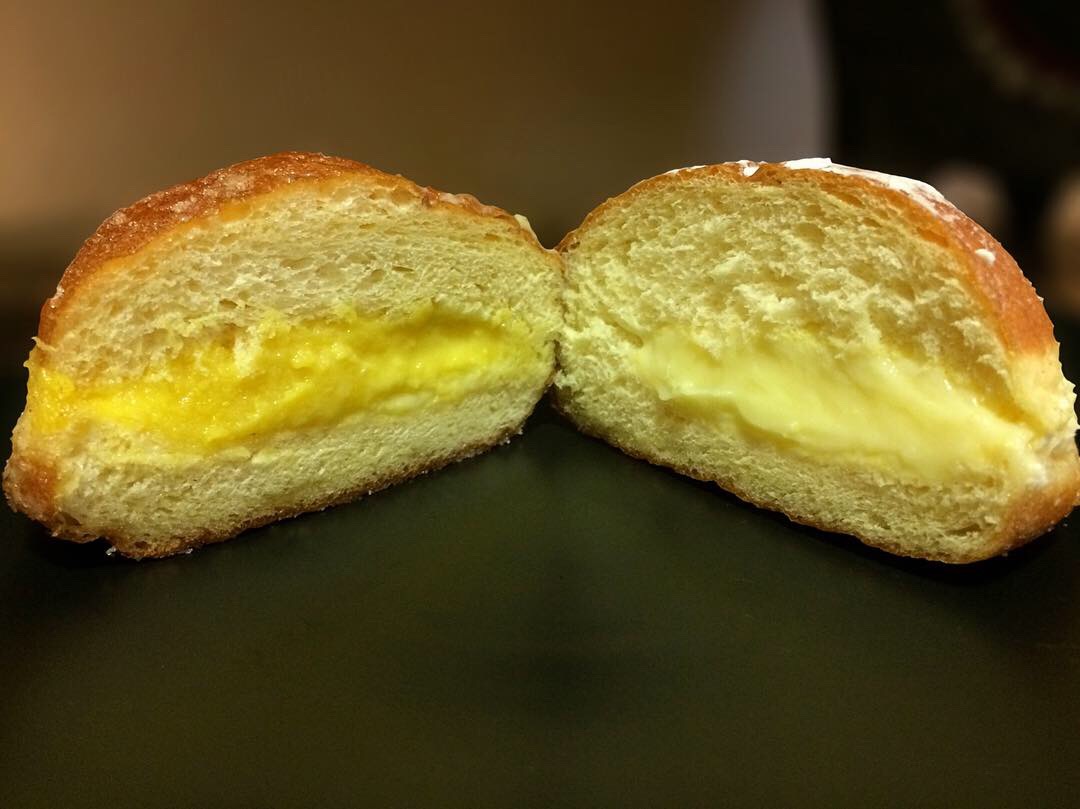
• Bolas de Berlim, also known as Berliners, are a sweet, filled, pillowy yeast donut. The doce de ovos filling is a typical Portuguese sweet egg custard that figures into many desserts; Teixeira’s also makes a vanilla custard (crème pâtissière) variety because, I was told by the delightful person behind the counter, “some people don’t like the egg”. IMHO, they don’t know what they’re missing.

• Lencinho means handkerchief or napkin; a square of fragile Portuguese sponge cake – practically a thick pancake – is slathered with doce de ovos and folded into a triangle as a napkin might be; the least sweet of the lot.

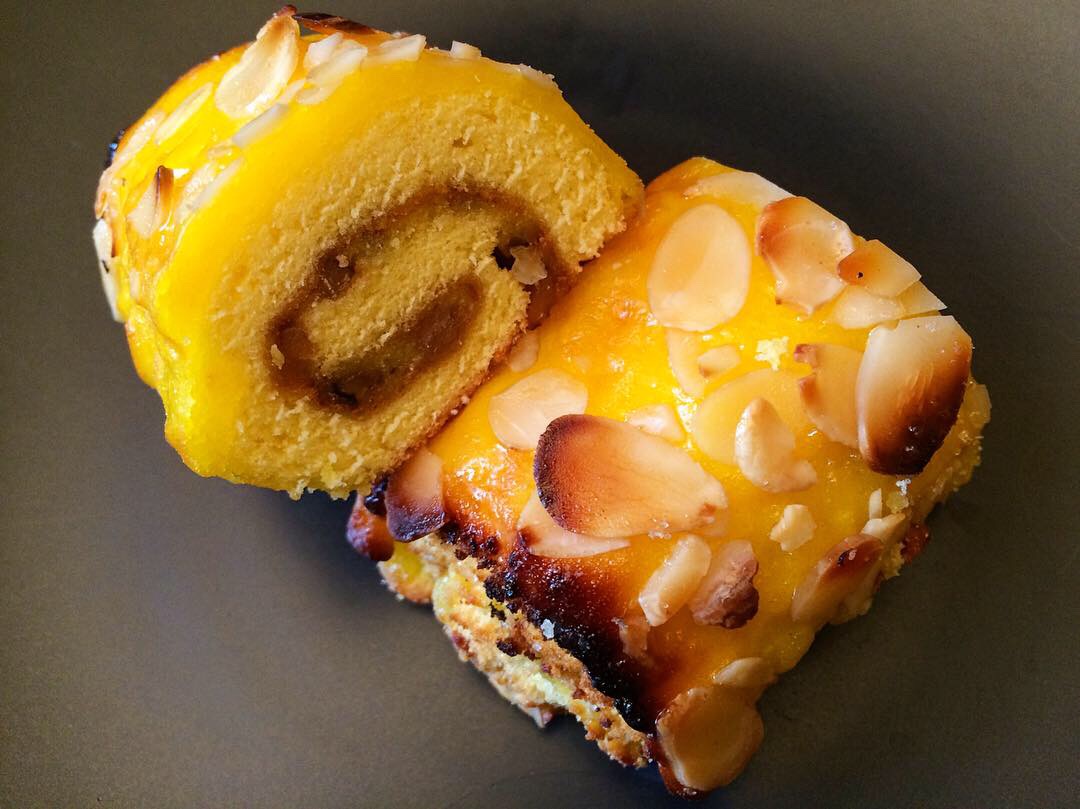
• Ferreirinhas start with a square of sponge cake spread with chopped almond filling (not almond paste), rolled up, and topped with more eggy goodness and sliced almonds.

• Torta Morango, a slice of strawberry jellyroll, egg-rich and supple.

• Queijada is a type of cheese cake, but not quite cheesecake, amêndoa (almond) and laranja (orange) shown here. The crusty, spare outer shell is rigid, the filling a little curd-like, too grainy to be considered a custard, but appealing nonetheless.

[3] Inside a ferreirinha and a better view of its crispy edge.

[4] On the left, a bola de Berlim filled with doce de ovos, on the right its vanilla custard sibling. Compare and contrast.

So much more to explore in the Ironbound District; I’m planning a return trip very soon when I can actually spend some time! Have I tempted you yet?


Holi Mubarak!

Instagram Post 3/21/2019

(Click on any image to view it in high resolution.)

The Equal Opportunity Celebrant strikes again, eating my way through Holi today, the Hindu festival of spring and colors celebrated predominantly in India and Nepal. Prowling around the Indian neighborhood in Jackson Heights yesterday in search of traditional Holi treats, I enjoyed watching children choosing packets of powder in every color of the rainbow to sparge at anything in their path, thus producing a glorious festive mess. The holiday recounts the heartwarming legend of Krishna coloring his face for Radha, his love, and heralds the arrival of spring.

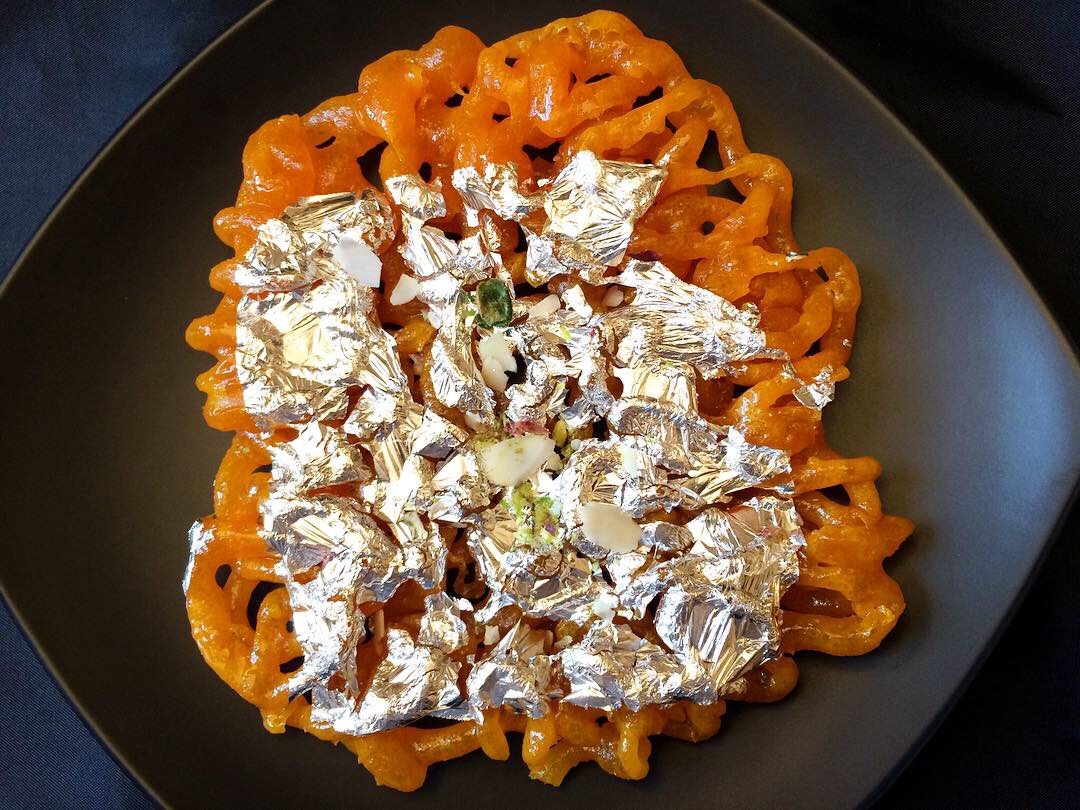
[1] Jalebi are one of the most widely available Indian mithai (sweets); they’re made from chickpea or wheat flour batter, usually orange but occasionally yellow (no difference in flavor, just a color preference) which is drizzled into hot oil in coil shapes. The resulting deep fried confections look like pretzels; they’re crispy when they come out of the oil, then they’re soaked in super sweet syrup so you get the best of both worlds. For Holi, however, jalebi get the royal treatment; this one is about 7 inches in diameter and generously adorned with edible silver foil, sliced almonds and pistachios. Because this sticky jumbo jalebi (jalumbi? jalembo?) is larger and thicker than the standard issue version, it provides more crunch and holds more syrup in each bite so it’s even more over the top, if such a thing is possible.

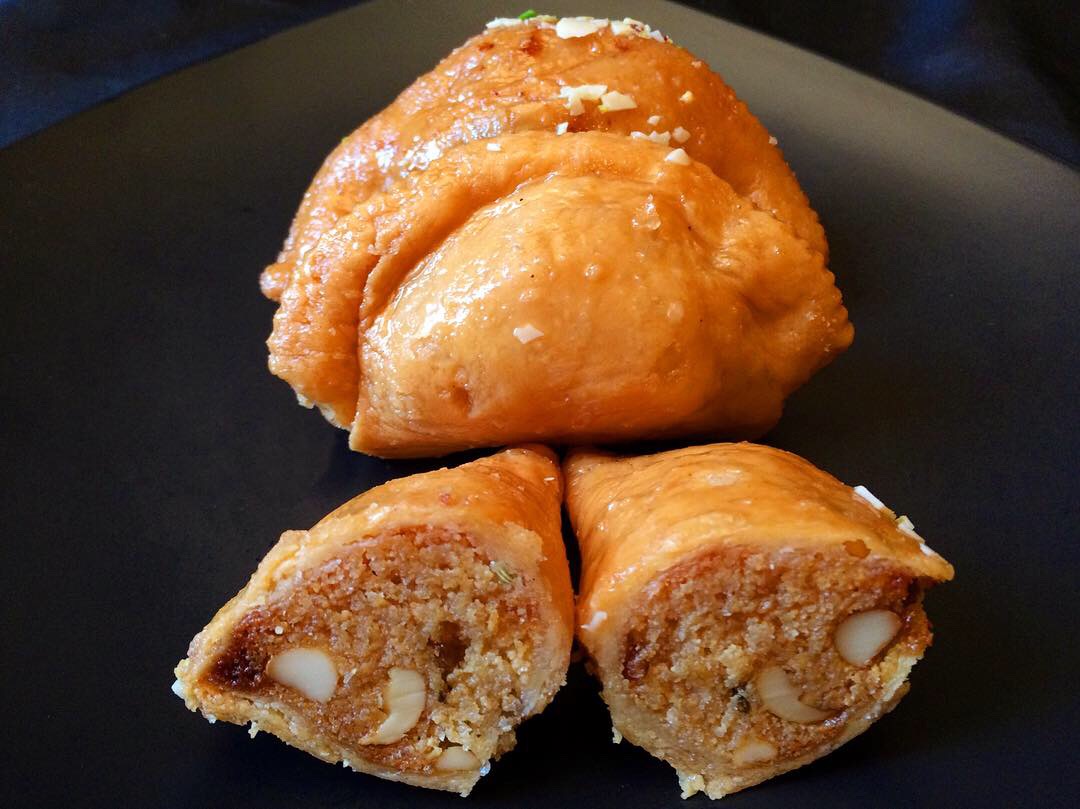
[2] This is gujiya (you might see gujia), a classic Holi sweet, half-moon shaped and similar to a deep-fried samosa. Crunchy outside and soft within, it’s filled with sweetened khoa (milk solids), ground nuts, grated coconut, whole fruits and nuts (raisins and cashews in this one), cumin seeds, and a bit of suji (semolina) for texture.

These Holi day treats came from Maharaja Sweets, 73-10 37th Ave, Jackson Heights, Queens.

Holi Mubarak! Have a blessed Holi!


Hamantaschen

Instagram Post 3/20/2019

(Click on any image to view it in high resolution.)

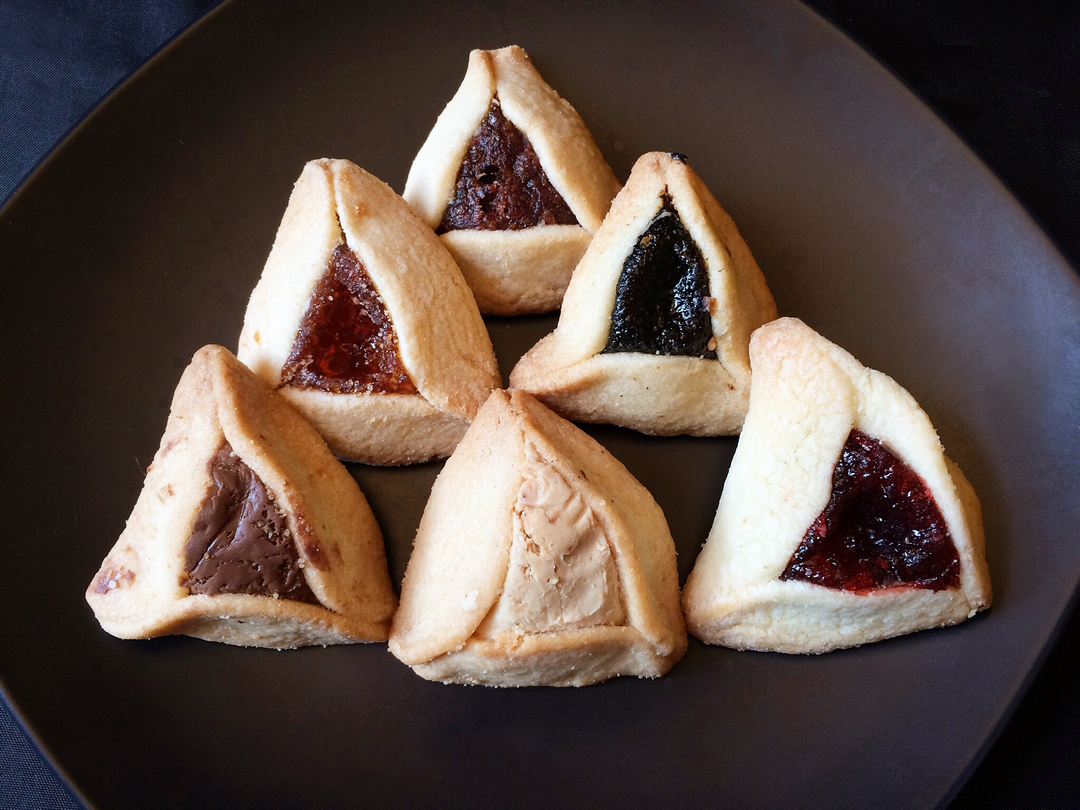
The story of Purim memorializes the time in ancient Jewish history when Haman, royal vizier to King Ahasuerus of Persia, had been plotting to exterminate all the Jews in the empire. His plan was thwarted by Mordecai and Queen Esther, his adopted daughter, and the deliverance is one of joyful celebration, steeped in traditional ceremonies and festivities. Purim begins tonight at sundown and concludes tomorrow evening, and among the many icons of the holiday, one of the most renowned is the hamantasch, literally “Haman’s pocket”.

Hamantaschen are delicious triangular baked pastries conventionally filled with thick prune jam (lekvar) or sweet ground poppy seeds (muhn) but these days creative cooking prevails and fillings of apricot, fig, chocolate, halvah, raspberry and more are not uncommon and take their place beside their predecessors. These fine examples came from Queens Kosher Pita & Bakery, 6838 Main St in Flushing.

Happy Purim!

!חג פורים שמח

Chag Purim Sameach!


Ethnic Ice Cream at the Fancy Food Show 2018

(Click on any image to view it in high resolution.)
Show Floor

Part four in a series of reports.

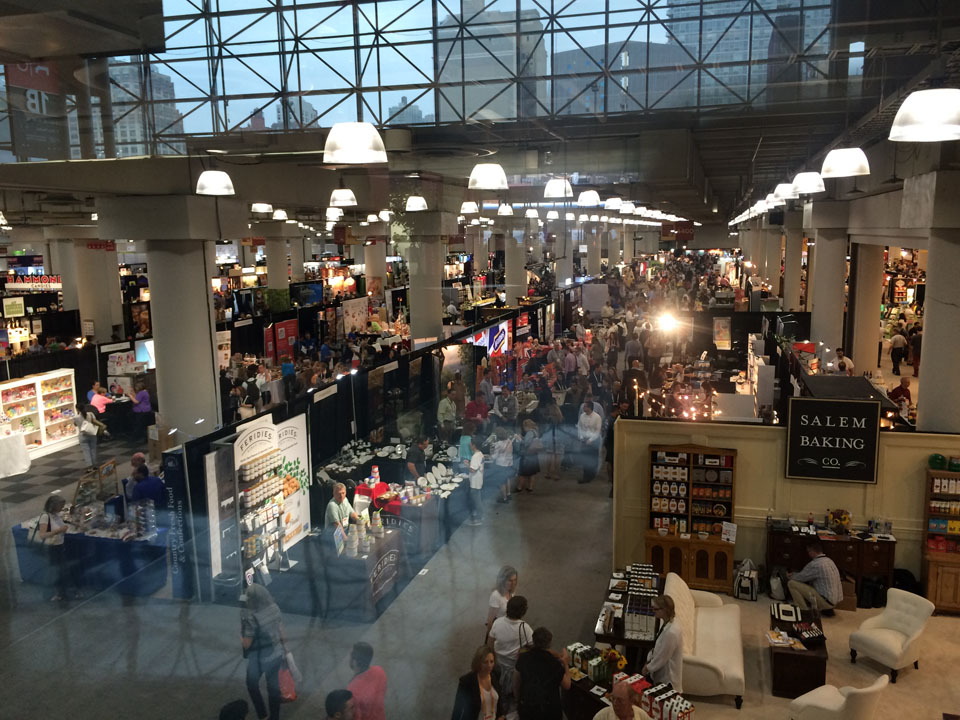
Some folks look forward to the annual celebration of their birthdays or anniversaries; for me it’s the occasion to cover America’s largest food and beverage trade show right here in New York City, Specialty Food Association’s Summer Fancy Food Show. (Check out full coverage and a description of a recent event here.) Aside from the fact that it affords the chance to hob and nob with other professional foodies, see what products and brands are trending and poised to make a breakthrough, and get a sense of what the industry thinks the marketplace is craving, it gives me the opportunity to turn you on to new products to watch for locally or even order online.

Here are just a few of the exhibitors who featured ethnic ice cream at last year’s event.

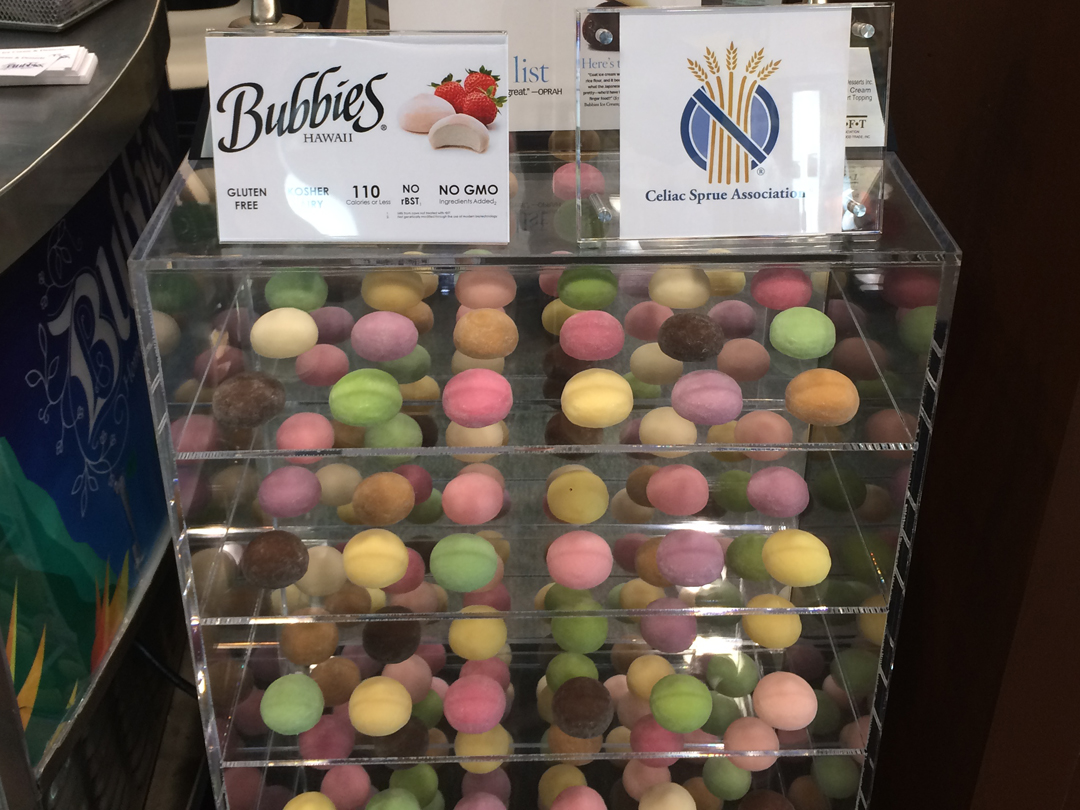
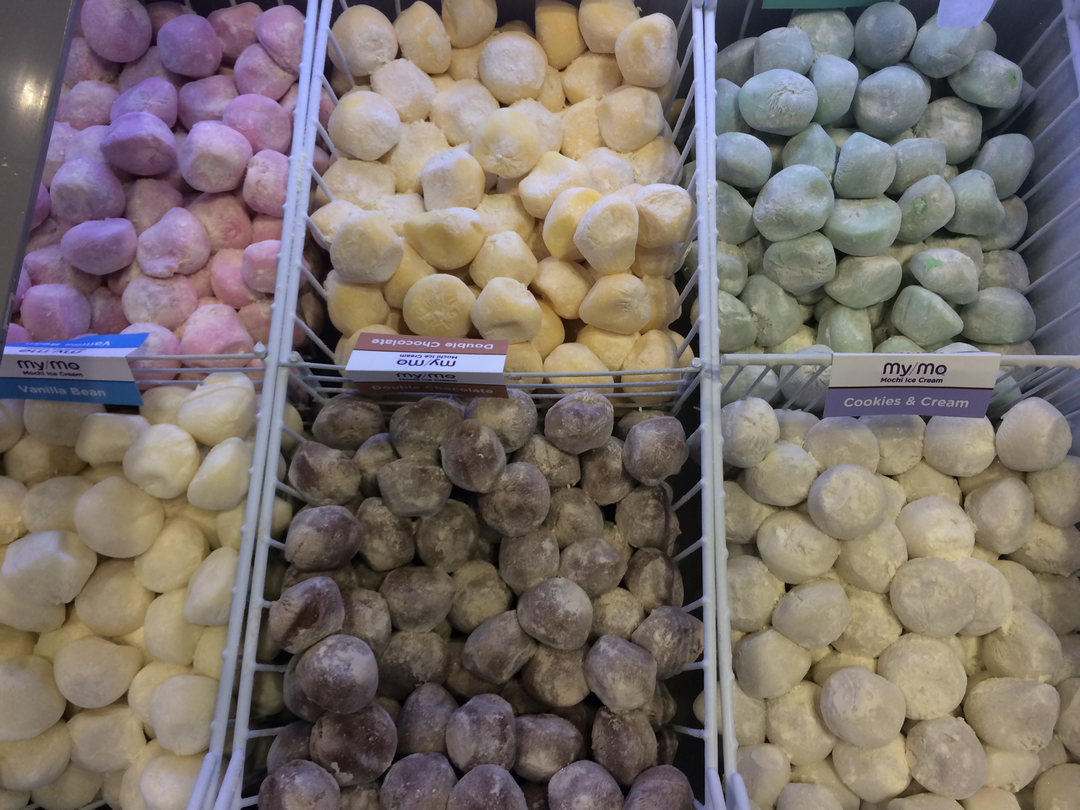
Japan: Mochi is a traditional Japanese food originally made from short grain glutinous rice that’s pounded and molded, often into chewy flattened orbs. Frequently a confectionary, its sphere of influence has extended far beyond the perimeter of its source. A new version was created about 35 years ago that wraps mochi dough around ice cream. This contemporary edition, technically called mochi ice cream, has become so popular that it’s often simply referred to as mochi.

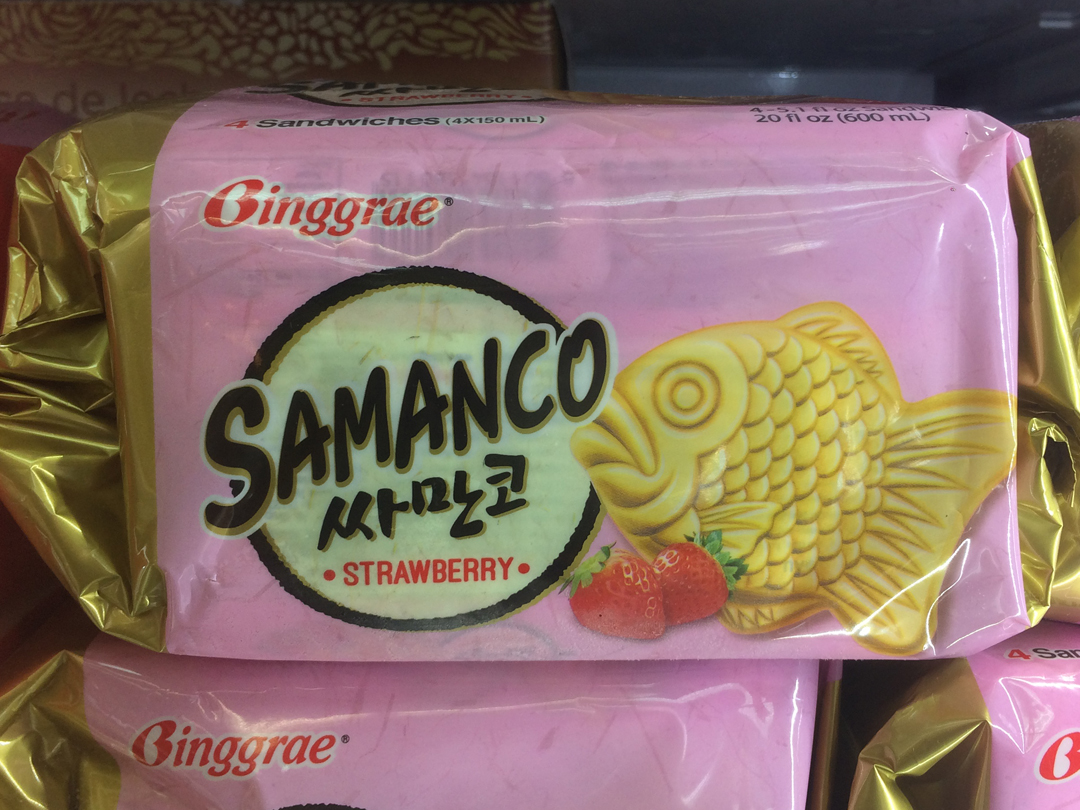
Several companies displayed their renditions at the convention including Mr. Mochi, Mochi Cream, My/Mo, and Bubbies, a Hawaiian contender. Flavors ranged from red bean, green tea, black sesame, and lychee to Kona coffee, chocolate peanut butter, and mango along with the more routine vanilla and strawberry among others. Note that in some cases, the ice cream core carries the flavor unassisted by the somewhat neutral mochi coating, but sometimes the doughy wrapper is infused as well and further enhances the experience. Look for these and other brands in Asian markets, particularly those that highlight Japanese goods. And while you’re there, take note of the seemingly infinite array of Japanese and Korean pops, bars, and ice cream novelties as well (melon is a popular flavor).

Korea: In terms of world flavors of American style ice cream, Noona’s, (noona means “big sister” in Korean) exhibited heritage flavors like toasted rice, golden sesame, black sesame, turmeric honeycomb and green tea.

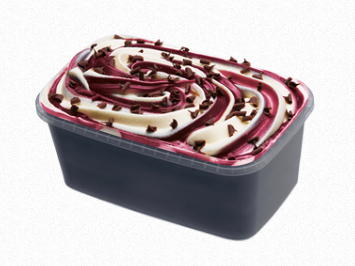
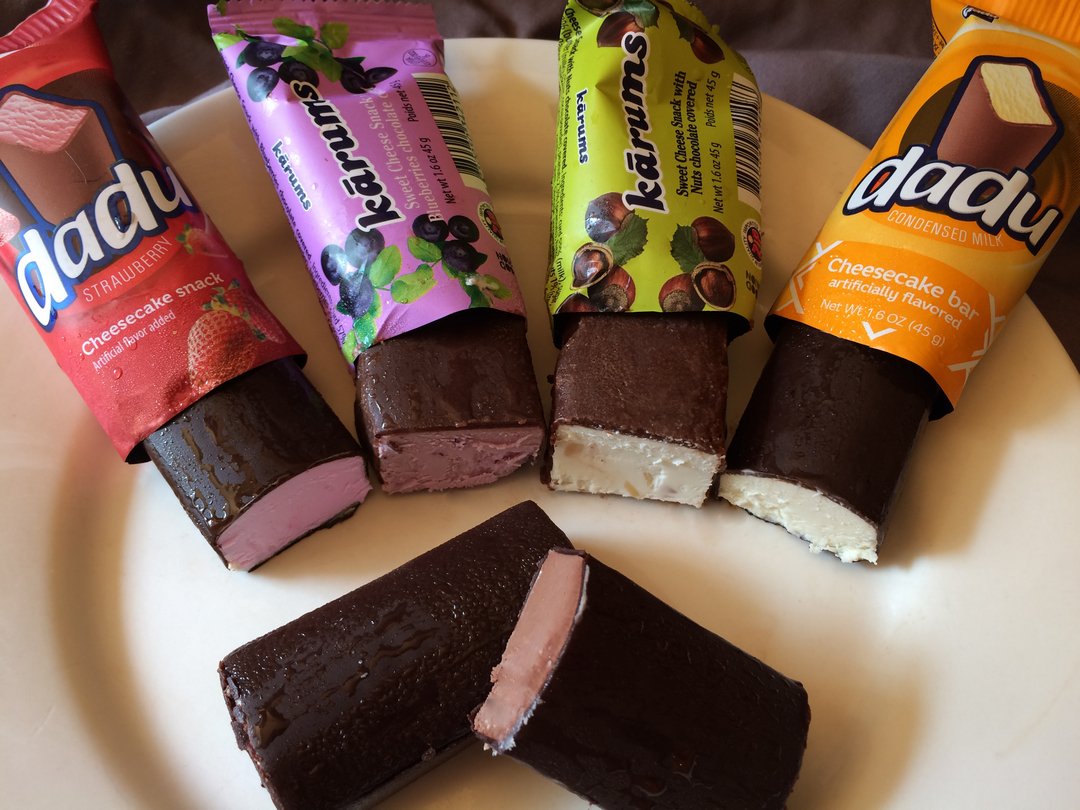
Latvia was at the Fancy Food Show as well making a push to pop into the American marketplace with at least four brands of Latvian ice cream available in tubs, cones, pops, and bars with intriguing varieties like orange & macarons, raspberry-pomegranate, and black balsam & blackcurrant (shown here). In addition to ice cream, the Latvian company Speka offered several varieties of curd snacks. Curd snacks are not unlike a cross between an Eskimo pie and chocolate covered cheesecake; individually wrapped, they come in an assortment of flavors from chocolate and vanilla to the more esoteric blueberry, blackberry, and raisin. They’re currently available as Russian/FSU products in markets throughout the city, with a high concentration in Brooklyn, of course; always a high point on my ethnojunkets along Brighton Beach Avenue, Brooklyn’s Little Odessa.


For more about ethnic ice cream, please check out my comprehensive and perennially updated post, July is National Ice Cream Month! Celebrate Globally!

Hamada-ya Bakery

Instagram Post 3/3/2019

(Click on any image to view it in high resolution.)

I’ve been making the pilgrimage to Mitsuwa Marketplace, the Japanese superstore at 595 River Road, Edgewater, NJ since it was Yaohan. (Raise your hand if you remember that.) In addition to being the most comprehensive exclusively Japanese supermarket in the area offering great prepared food to boot, Mitsuwa also sponsors frequent events (more about those in an upcoming post) and incorporates a number of specialty food concessions featuring Japanese confectionery and soft serve ice cream, sushi, rice balls, tempura, ramen and the like. Based on a recommendation from my Instagram friend @rudumplingme, I headed to one such shop, Hamada-ya Bakery (an outpost of Tokyo’s Richu Hamada-ya) to taste their wares

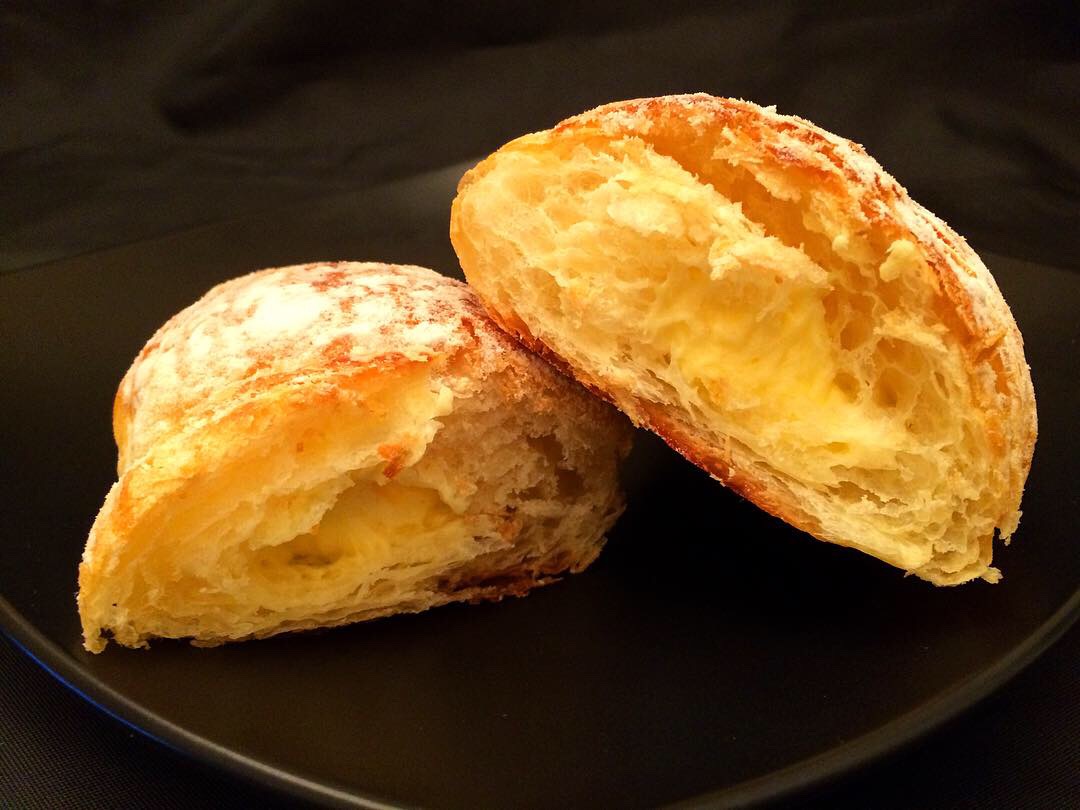
[1] She singled out the Vanilla Cream Cornet (the katakana クリームコロネ on the sign reads “cream coronet”) which proved to be great: the dough was crisper outside and airier inside than I expected, and custard filling in Japanese baked goods is sometimes less rich than their European counterparts, but this was perfection.

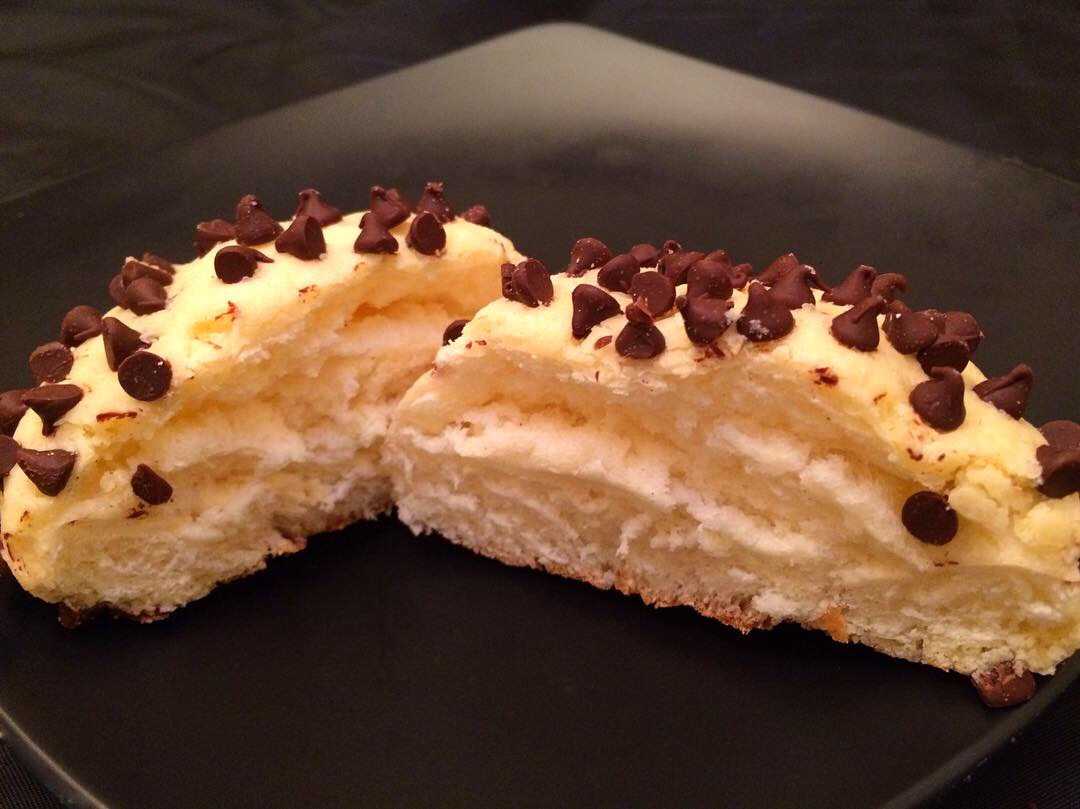
[2] Another familiar treat in Japanese bakeries is Melon Pan (メロンパン), sometimes plain but adorned here with chocolate bits that break the monotony (the photo may be a little deceiving, there’s no filling inside). With a crispy thin crust and a yielding interior, this sweet bread made a righteous breakfast the following morning. Note that no melons are harmed in the making of melon pan; the name merely refers to its appearance, a bit like a cantaloupe. Incidentally, the word “pan” (bread) made its way into Japanese via Portuguese missionaries.

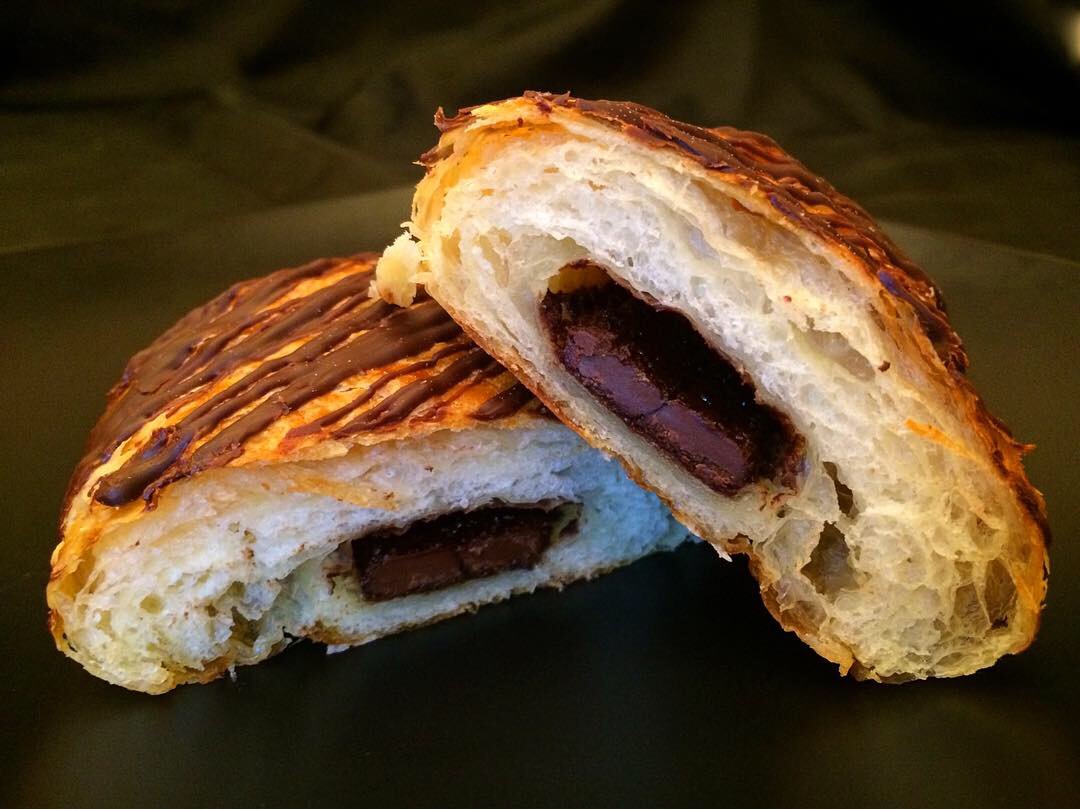
[3] Their rendition of pain au chocolat, choco croissant (チョコクロワッサン) was satisfying as well. Hamada-ya also sells savory sandwiches like fried fish and egg, tonkatsu (pork cutlet) and tuna, and goodies that seem to straddle the sweet/savory fence like cheddar cheese curry donut. Next time!


Sitafal Basundi

Instagram Post 2/25/2019

(Click on any image to view it in high resolution.)

Exploring ethnic neighborhoods with likeminded foodnerd friends is pretty much my favorite pastime. On a delightful crawl through Jersey City, NJ, we stopped along the way at Rajbhog Sweets, 812 Newark Ave. We were all familiar with their outpost in Jackson Heights, Queens, but this venue appeared to offer a slightly different selection of mithai, chaats, and snacks so I was intrigued.

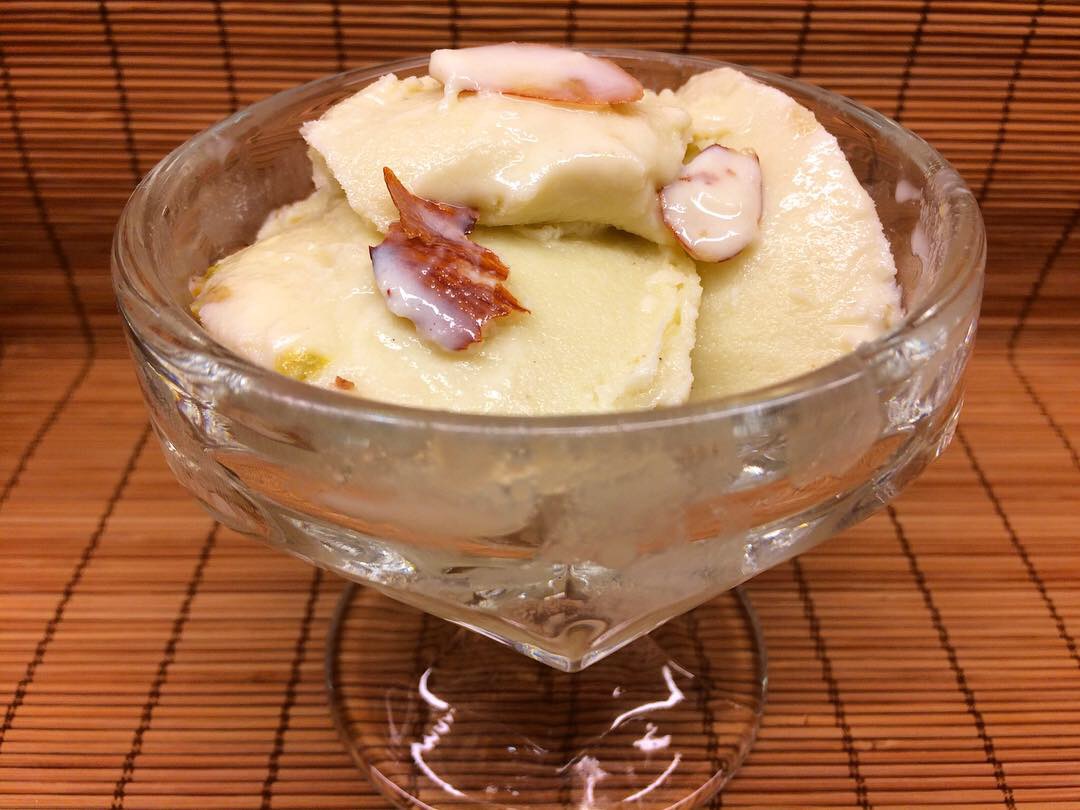
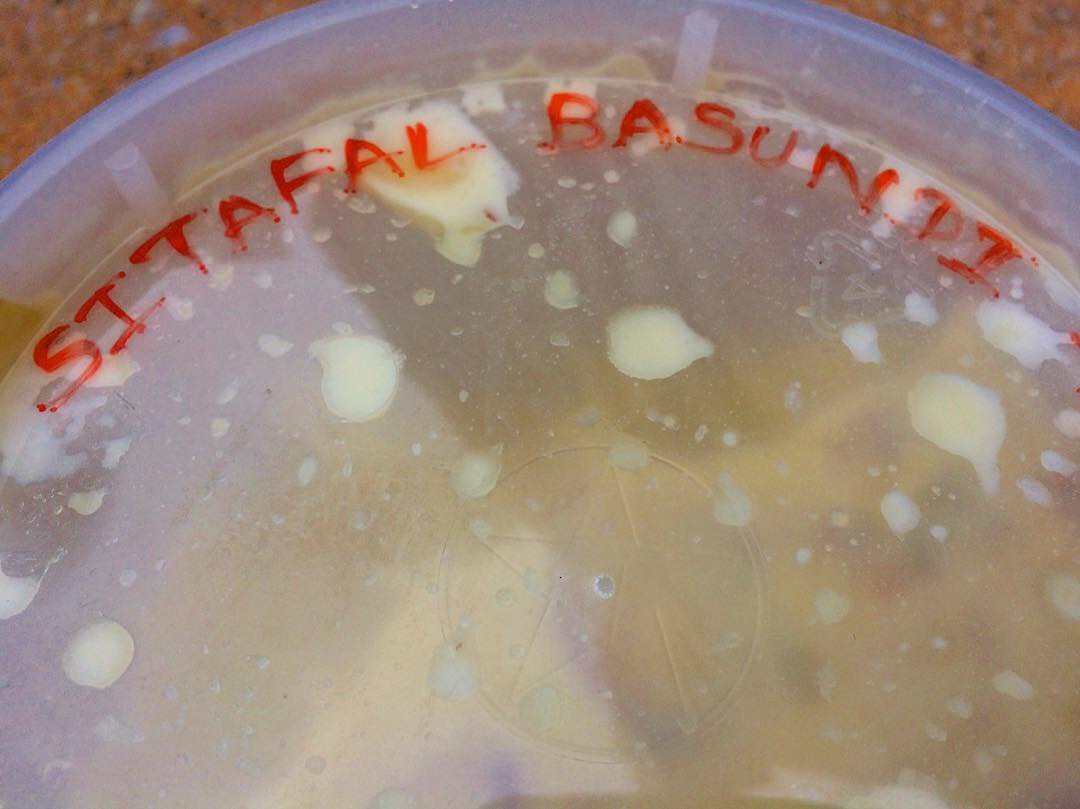
Peering into one of the freezer cases, I spotted a plastic container unceremoniously hand labeled “Sitafal Basundi” (second photo). Sitafal is the Hindi word for custard apple, a luscious tropical fruit that’s available in season at ethnic markets and sidewalk fruit stands if you know where to go (hint 😉). Basundi is a rich, creamy dessert, particularly popular in western India, that can be served warm or chilled. Made from long cooked cream, whole milk or sweetened condensed milk plus nuts, fruits and spices like cardamom and saffron, one could think of it as kulfi semifreddo. Being a fan of Indian sweets of every fashion, I’m rather partial to it and this version was delicious.

So many more wonderful places along that strip, I need to return soon. Who’s coming with me?


Mango Mango Dessert

Instagram Post 2/23/2019

(Click on any image to view it in high resolution.)

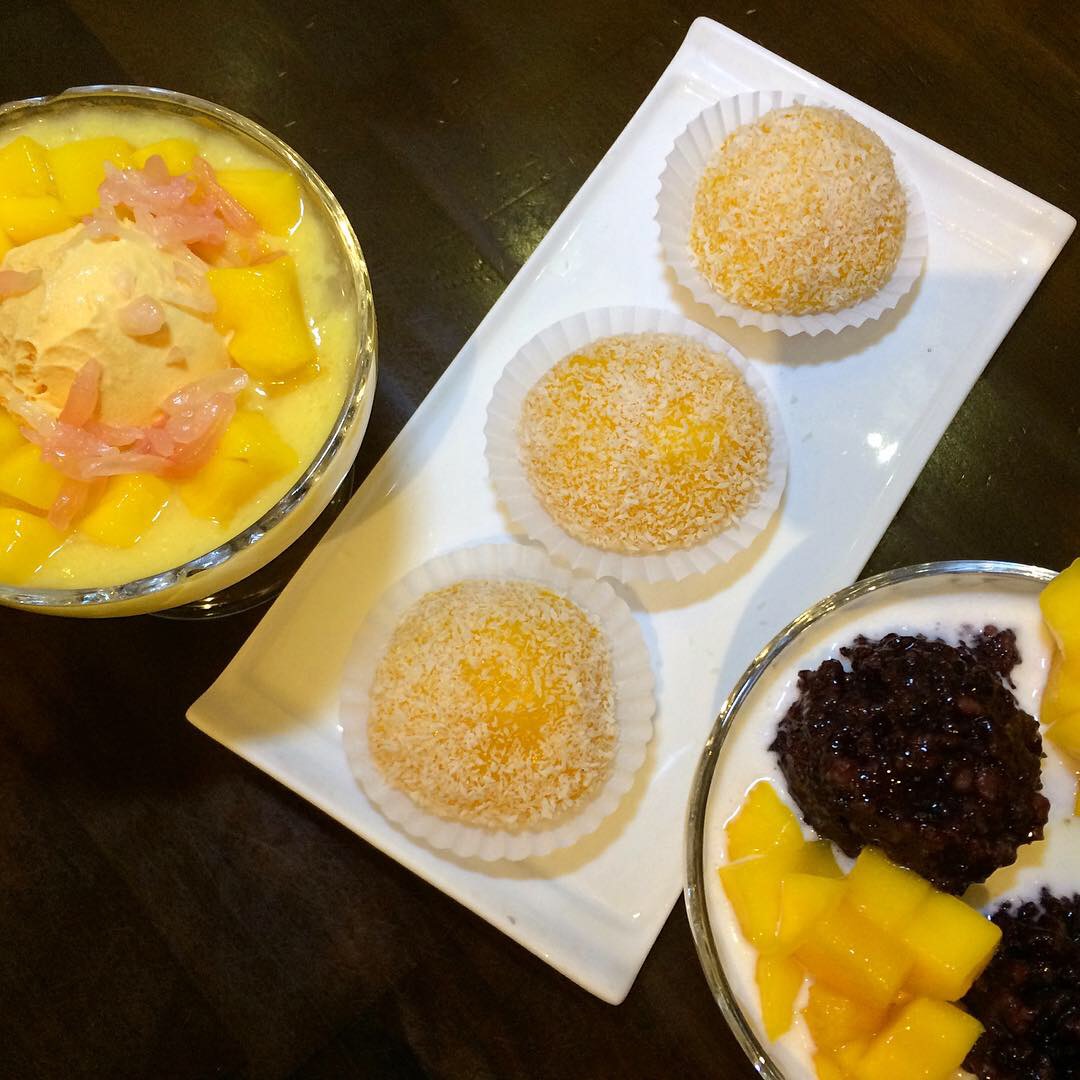
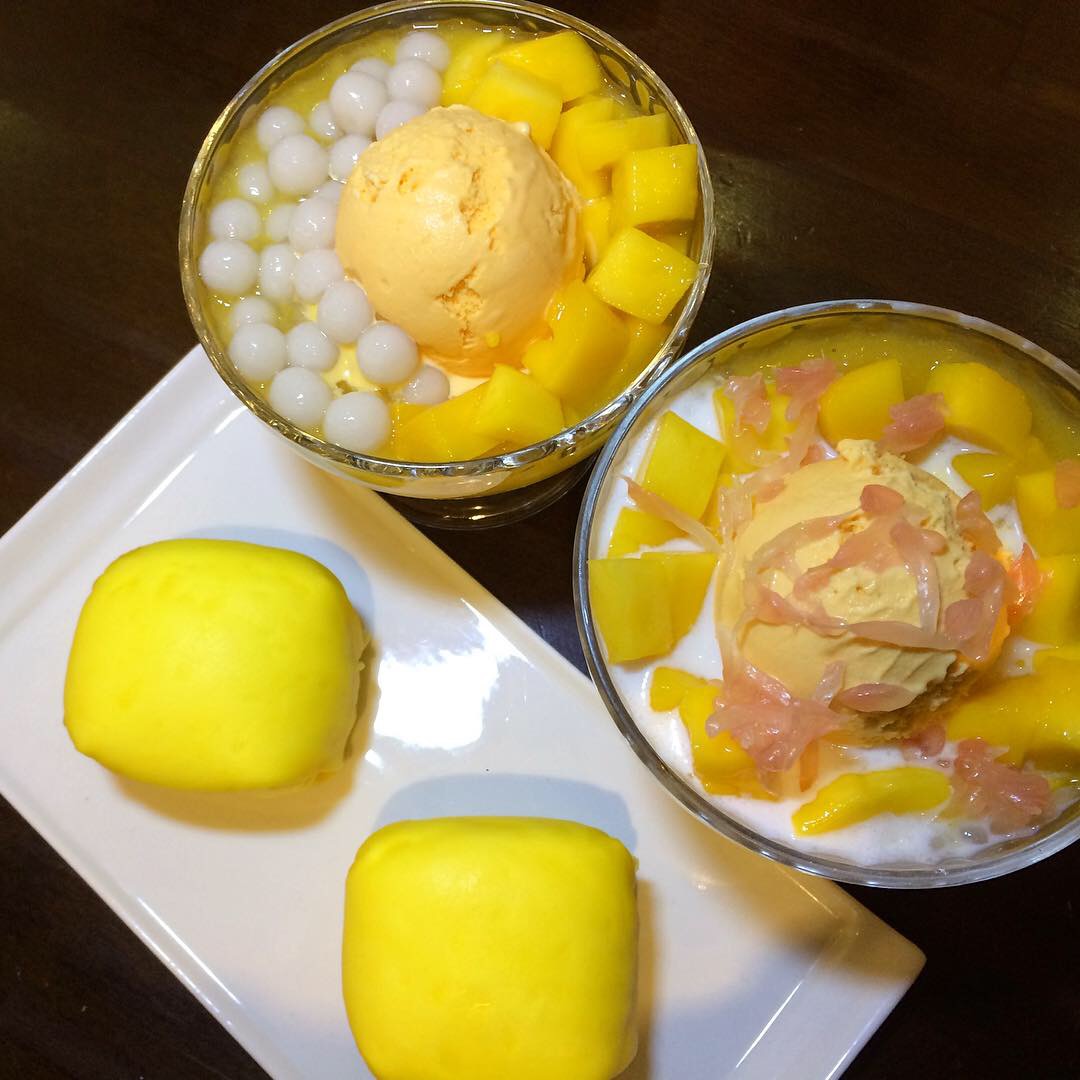
With a name like Mango Mango Dessert, you know what you’re getting yourself into before you even enter. This chain of franchised Hong Kong style dessert and ice cream shops features a multitude of mango desserts of course, but do check the menu for other specialties like mille crepes (the popular thousand layer treat) as well as coconut, durian and other tropical goodies. Four of us descended upon the 136-28 39th Ave location in Flushing and sprung for the Mango Combos A and B.

[1] Combo A included (left to right): special mango juice, sago (tapioca) and pomelo with mango ice cream, three mango mochis, and snow white juice (coconut) with mango and black rice.

[2] Combo B comprised a pair of mango pancakes, mango juice and glutinous rice balls with ice cream, and snow white and mango juice with sago and pomelo with ice cream.

You got a jones for mango? You know where to go, man.