Dominique Ansel Kitchen – Kouign Amann

Instagram Post 5/21/2018

(Click on any image to view it in high resolution.)

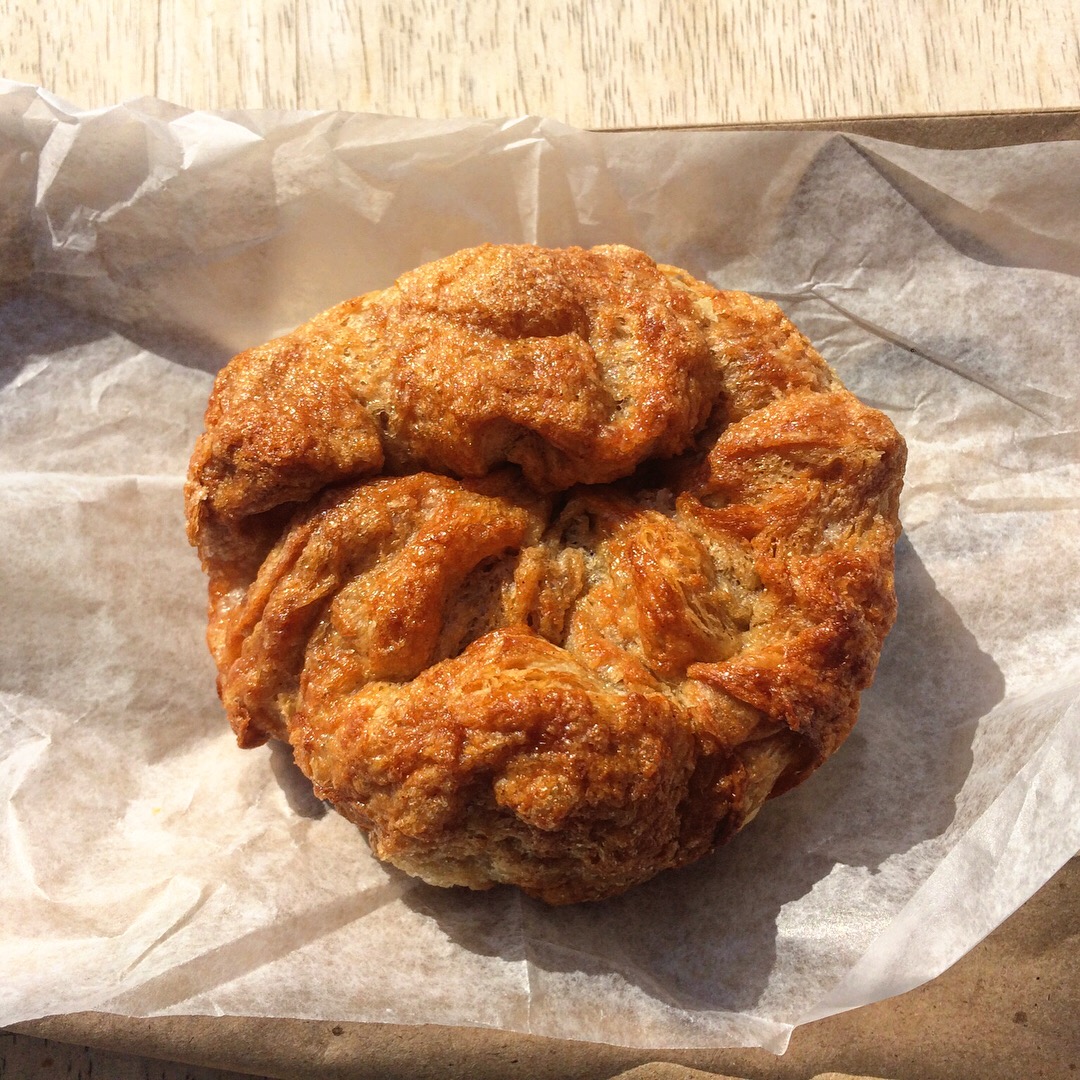
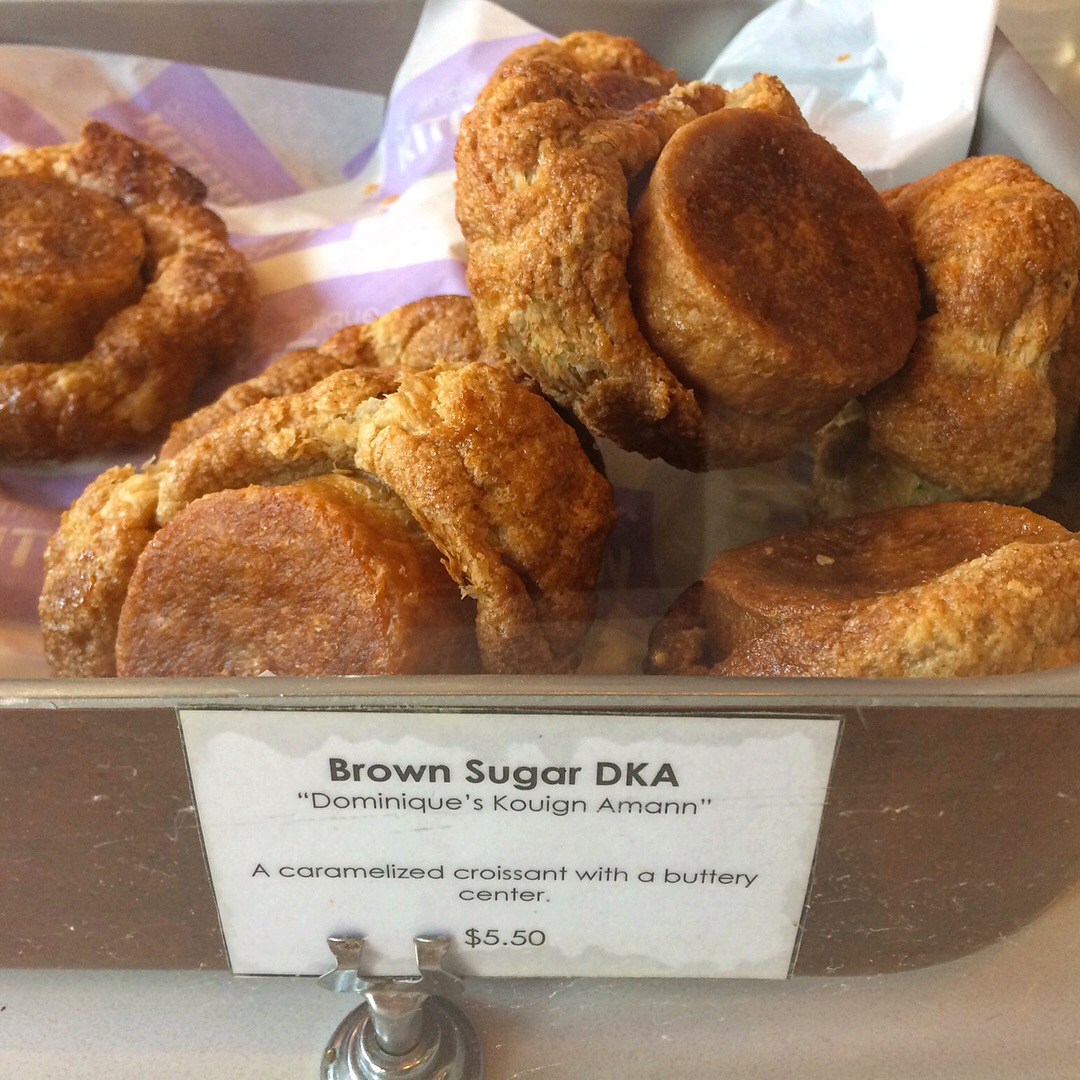
Dominique Ansel’s novel spin on his recipe for kouign-amann (“queen-ah-mahn”, easier to say than it is to spell), is the Brown Sugar even-easier-to-say DKA (the initials of “Dominque’s Kouign-Amann”). Native to the French 🇫🇷 region of Brittany, in the Breton language kouign = cake and amann = butter and it is as impossibly rich as it is challenging to make well. It’s a cousin to the croissant 🥐 – puffy, layered, buttery, and most important, sporting a sweet, crackly exterior of caramelized sugar. It’s the contrast between that crisp crust and the pillowy, yielding interior that makes it fit for a queen, if you will.

Photo 2:
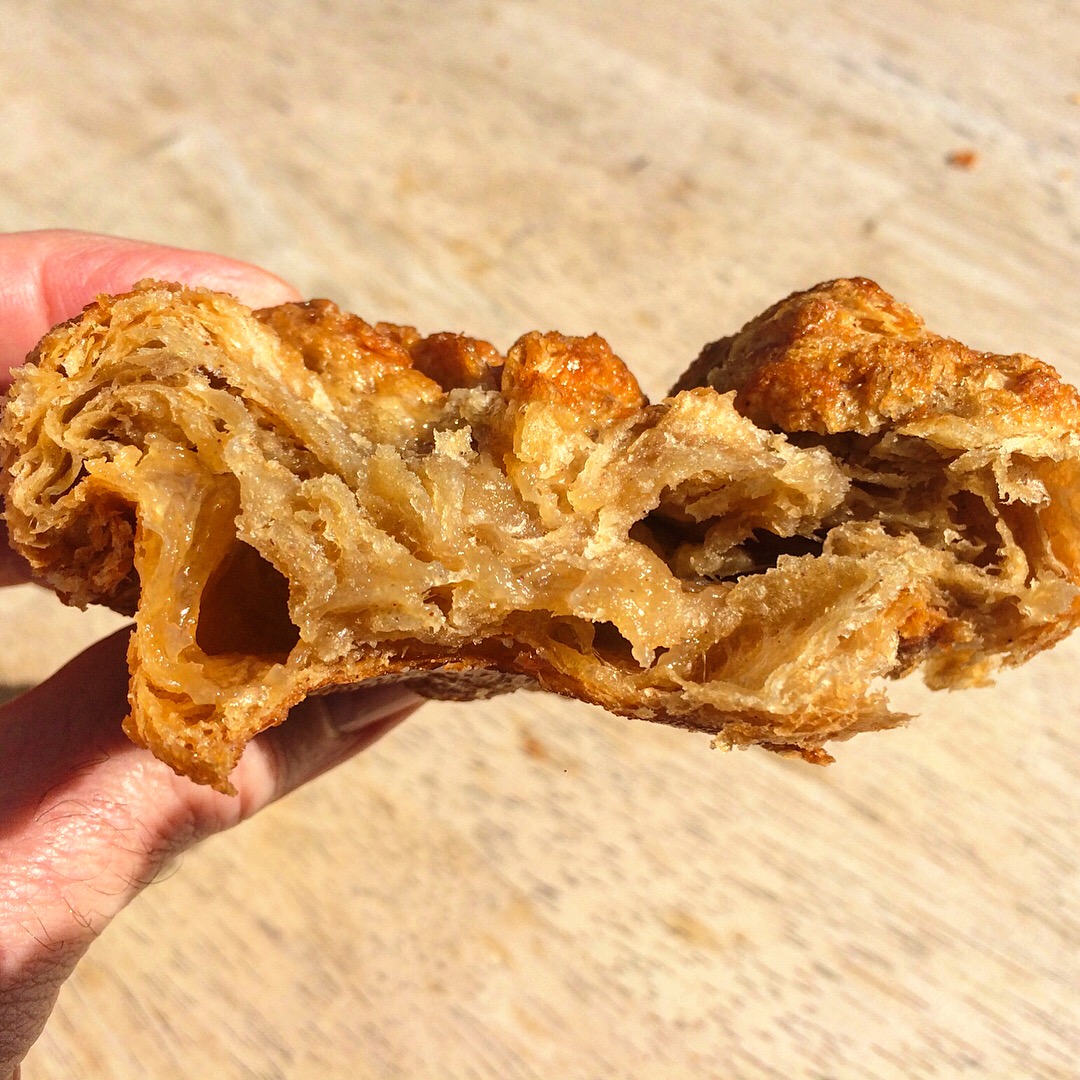
As if to gild an already perfect lily, this adaptation delivers a chewy, gooey sweetness bomb at its heart.

Photo 3:
Kouign-amann can appear in two forms, that of a large cake to be sliced into individual servings, and this version, with a ring formed base – sometimes a muffin tin or cupcake pan is used – that barely supports the fluffy cloud above. This rendition is gets its color and deep flavor from the untraditional addition of brown sugar to the dough. Not to be consumed hastily, I suggest that you do what I did: relax with a cup of your favorite coffee, and focus on each gossamer bite.

Dominique Ansel Kitchen is located at 137 Seventh Avenue South, New York, NY 10014


Bappy Sweets – Mishti Doi

Instagram Post 5/18/2018

(Click on any image to view it in high resolution.)

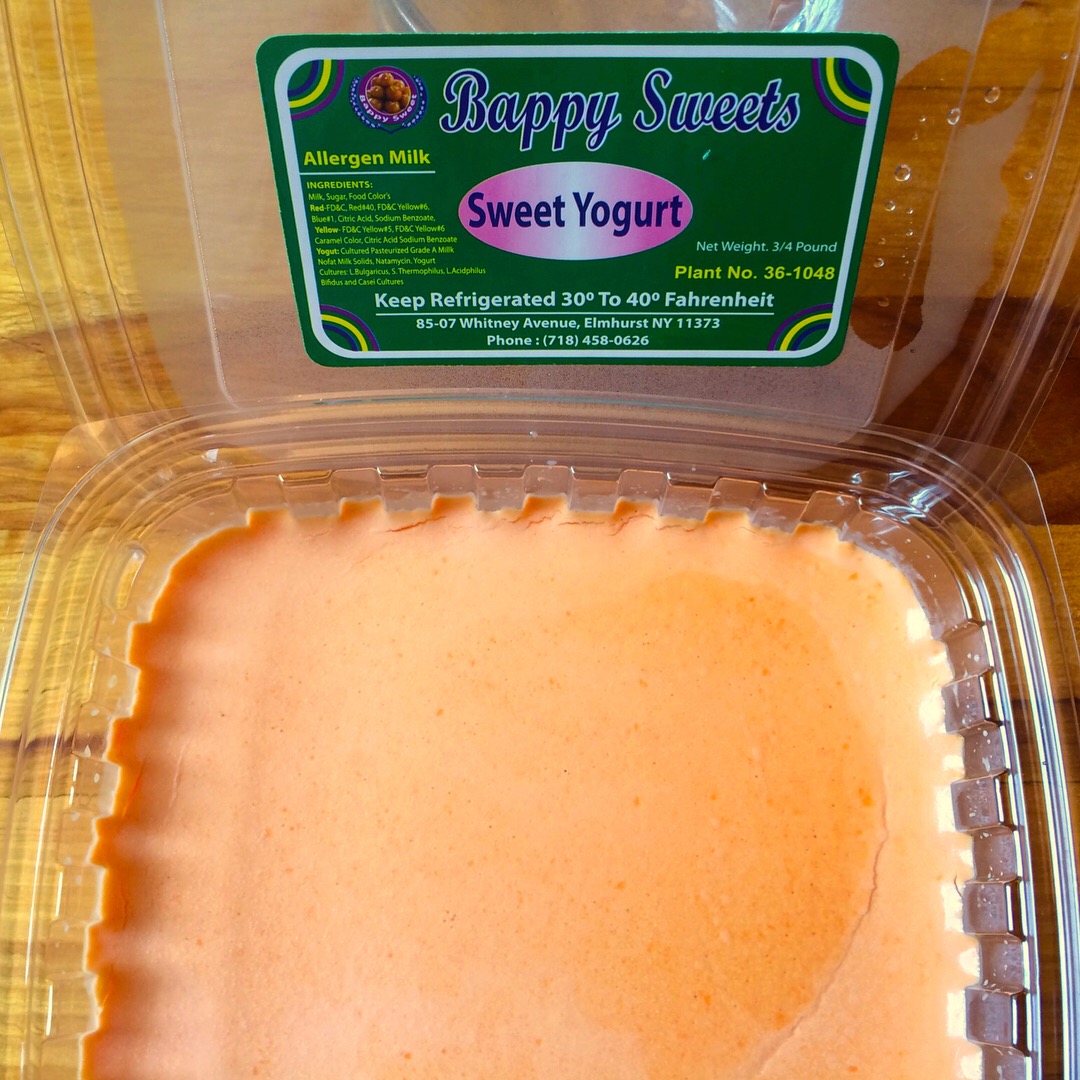
I sing the praises of this humble dessert and I freely admit that it is a much beloved comfort food for me. No, I do not hail from 🇮🇳 West Bengal or 🇧🇩 Bangladesh, but this delicious treat does. Essentially, mishti doi is similar to a sweetened, thick yogurt – almost the texture of a custard or pudding – but is distinguished by the way in which it is made. From Wikipedia: “Mishti doi is prepared by boiling milk until it is slightly thickened, sweetening it with sugar, either gura (brown sugar) or khejur gura (date molasses), and allowing the milk to ferment overnight.” Sometimes a touch of cardamom is added for flavor and aroma. You can usually identify it by its pale orange color, but I’ve seen it nearly white as well; there’s also a variation called “bhapa doi” that’s made with sweetened condensed milk that sets up more reliably if you’re making it yourself and I understand there are fruit variants like mango as well.

This batch came from Bappy Sweets, 85-07 Whitney Ave in Elmhurst, Queens. Whenever I take folks through the neighborhood on a food tour (“ethnojunkets” I call them), Bappy is an essential stop; everyone I have introduced this delight to has absolutely loved it and it always disappears in a trice. Bappy makes and sells other mithai (Indian sweets) but I recently learned that their claim to fame and best seller is their mishti doi. I’m not surprised.
🧡
And if you have trouble remembering its name, here’s a mnemonic I came up with for this magical comfort food: “Sometimes Mishti Doi is the only thing that can make you feel better on a Misty Day.”
🧡


The Equal Opportunity Celebrant – Part 4

Daylight Saving Time, my second favorite holiday after Christmas and the undisputed harbinger of Spring as long as you don’t look out your window, has at long last arrived. Two notable celebrations of the season, Easter and Passover, are concurrent this year, so this post is a nod to both. I haven’t forgotten Nowruz, of course, the Iranian (or Persian) New Year that occurs on the vernal equinox, but I feel that it deserves a post of its own accompanied by photos of delicious traditional foods which, with some luck, I’ll be able to provide.

It’s no coincidence that the Italian word for Easter (pasqua) and the Hebrew word for Passover (pesach) are closely related, although culinarily the holidays couldn’t be more disparate. During this time of year, Jewish families are expunging their homes of even the most minuscule crumb of anything leavened, and Italians are baking Easter breads like they’re going out of style.

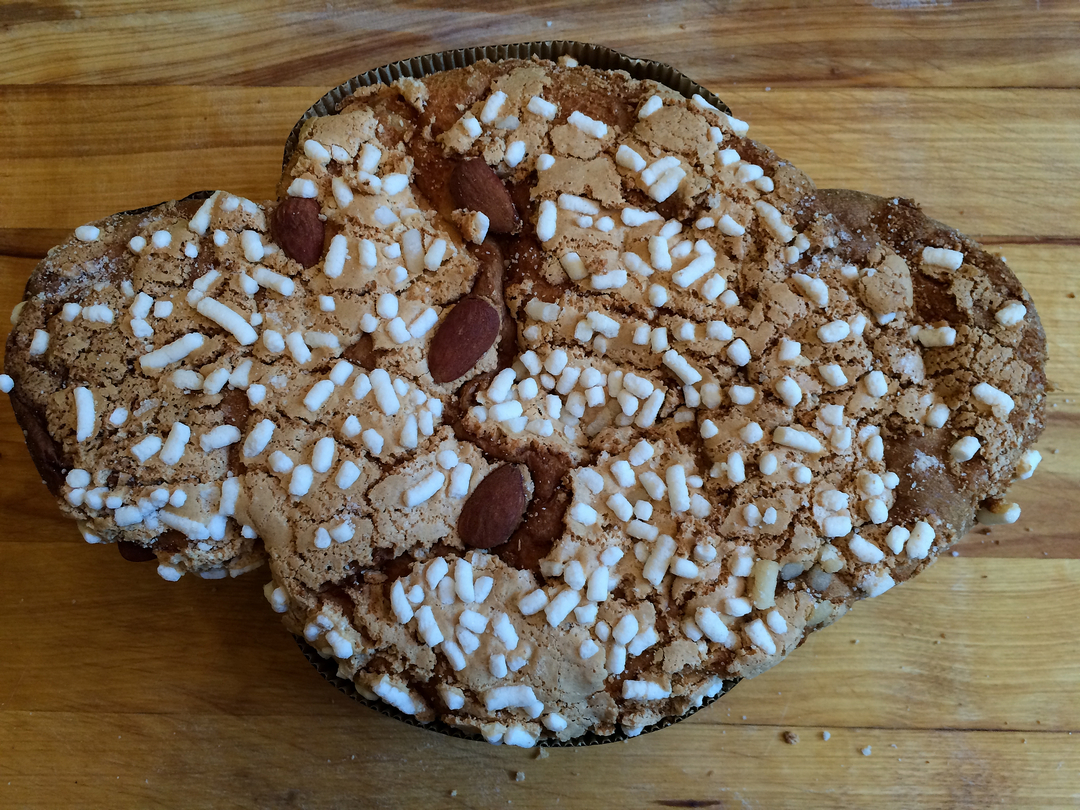
Italy’s traditional seasonal bread is La Colomba di Pasqua (“The Easter Dove”), and it is essentially Lombardy’s Eastertime answer to Milan’s Christmastime panettone. These deliciously sweet, cakey breads, in some ways Italy’s gift to coffeecake but so much better, are fundamentally the same except for two significant distinctions: the colomba is baked in the shape of the iconic dove that symbolizes both the resurrection and peace, and the recipes diverge with the colomba’s dense topping of almonds and crunchy pearl sugar glaze. Traditionally, a colomba lacks raisins, favoring only candied orange or citron peel, but as with panettone, fanciful flavors (including some with raisins) proliferate. And also as with panettone, charming but somewhat specious tales of its origin abound. (If you haven’t already, please read my passionate paean to panettone for more information and folklore about this extraordinary contribution to the culinary arts.)
(Click any photo to see it in high resolution.)

The first photo shows a colomba in all its avian splendor. Frankly, I think it’s a leap of faith to discern a dove in there, but if you can detect one, you may have just performed your own miracle.

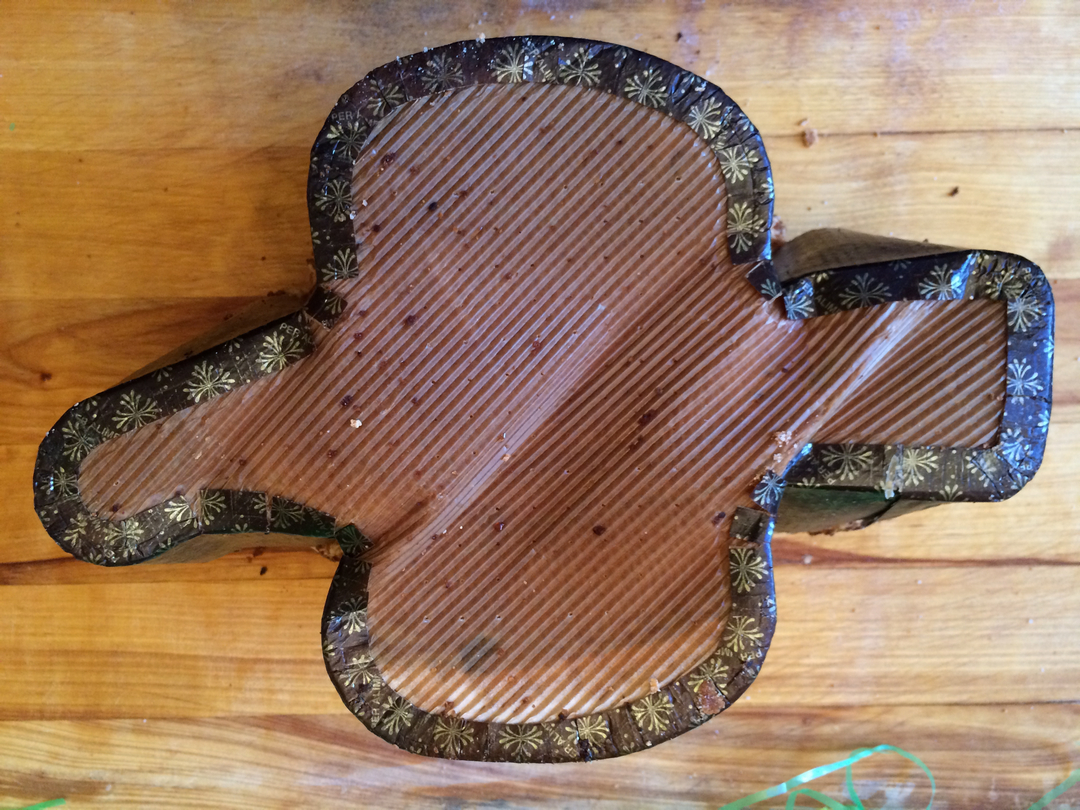
Hard pressed to see the dove? Fret not, for the second photo has the cake turned upside down so the columbine form is somewhat more evident.

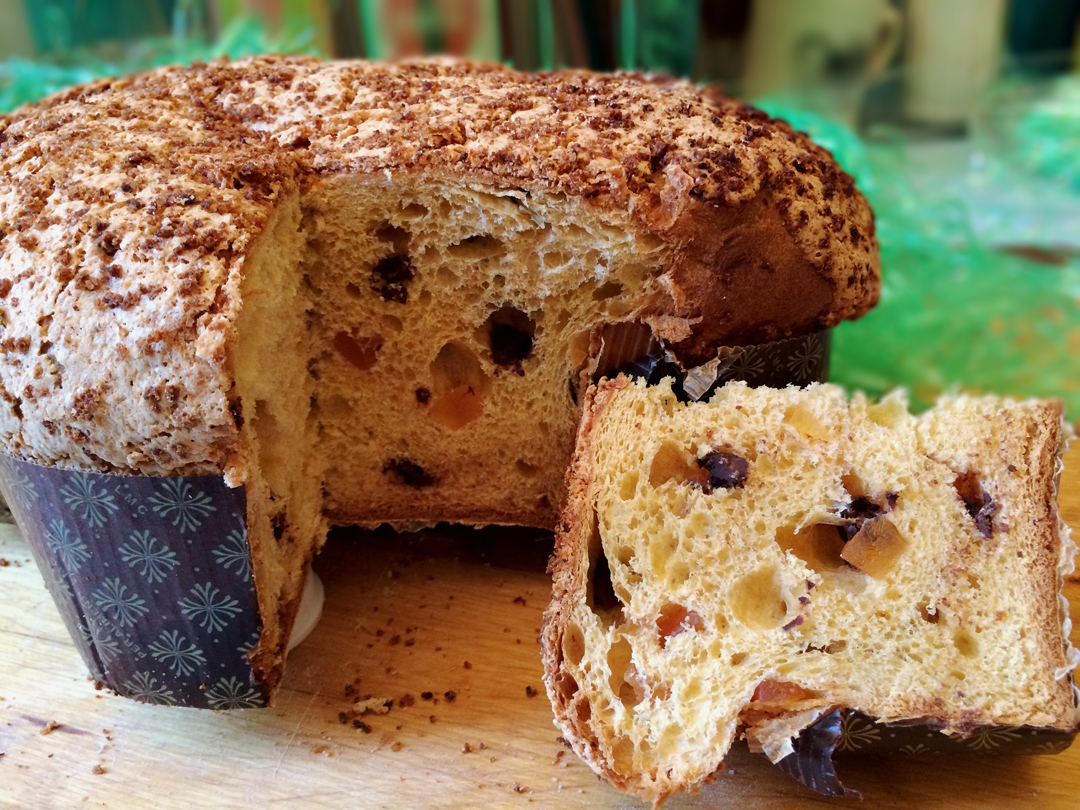
The third photo depicts a version that features bits of chocolate and dried peaches within and crunchy crushed amaretto cookies atop.

Just wondering: There’s no debate that American kids bite the ears off their chocolate Easter bunnies first. Do you suppose that Italian children start with the head, tail, or wings of the colomba?

On to Passover. Previously on ethnojunkie.com, I did a springtime post that included a story about someone who dared me to come up with an ethnic fusion Passover menu. I wrote:

“Well, far be it from me to dodge a culinary challenge! So although obviously inauthentic, but certainly fun and yummy, here’s to a Sazón Pesach!

Picante Gefilte Pescado
Masa Ball Posole
Brisket Mole
Poblano Potato Kugel
Maple Chipotle Carrot Tzimmes
Guacamole spiked with Horseradish
Charoset with Pepitas and Tamarindo

And, of course, the ever popular Manischewitz Sangria!”

It was all in good fun, of course, but it got me thinking about actually creating a Jewish-Mexican fusion recipe. It isn’t strictly Kosher for Passover, of course, but I thought the concept was worth a try. So here is my latest crack at cross cultural cooking: Masa Brei!

Now you might know that Matzo Brei (literally “fried matzo”) is a truly tasty dish consisting of matzos broken into pieces that are soaked briefly in warm milk (some folks use water), drained, soaked in beaten eggs until soft, then fried in copious quantities of butter. Typically served with sour cream and applesauce, it’s heimische cooking at its finest, Jewish soul food, and it’s easy to do.

So I thought it might be worth a try to swap out the matzos for tostadas, the milk for horchata, the sour cream for crema, and the applesauce for homemade pineapple-jalapeño salsa. A sprinkle of tajín, a scatter of chopped cilantro – and it actually worked! Here’s the finished product:
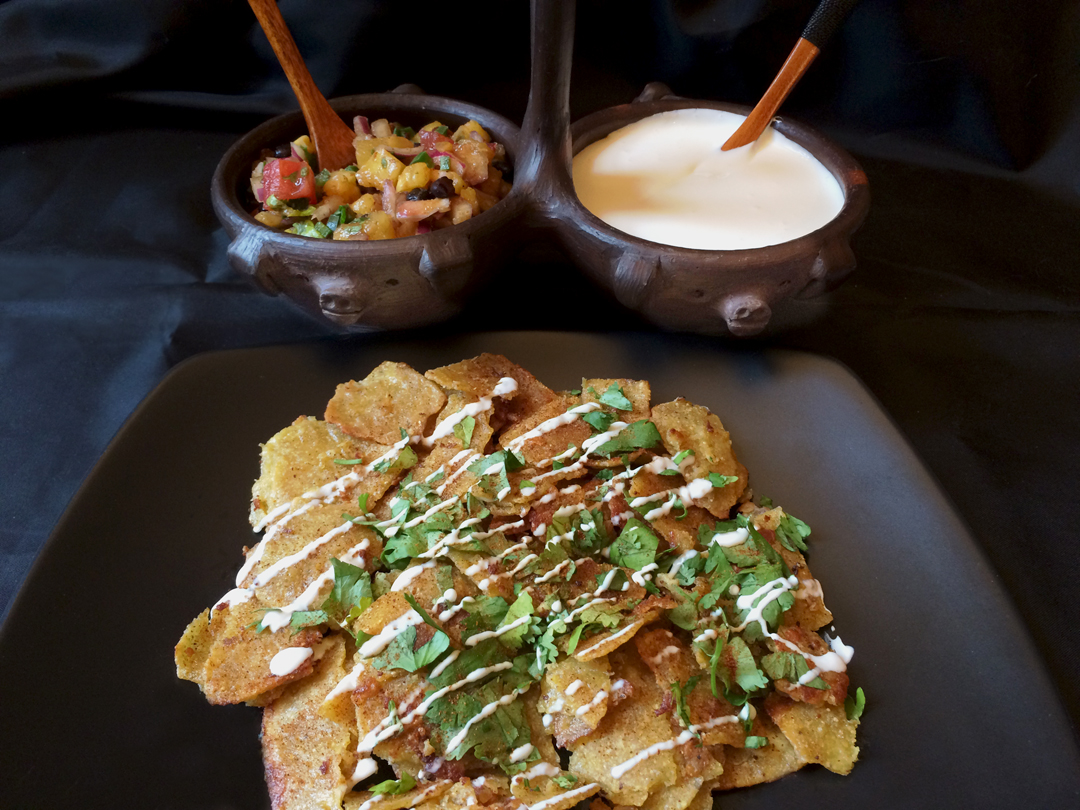
And no matter which one you’re celebrating (or perhaps all of them like me) – Happy Holidays!



BonBon

Instagram Post 4/11/2018

(Click on any image to view it in high resolution.)

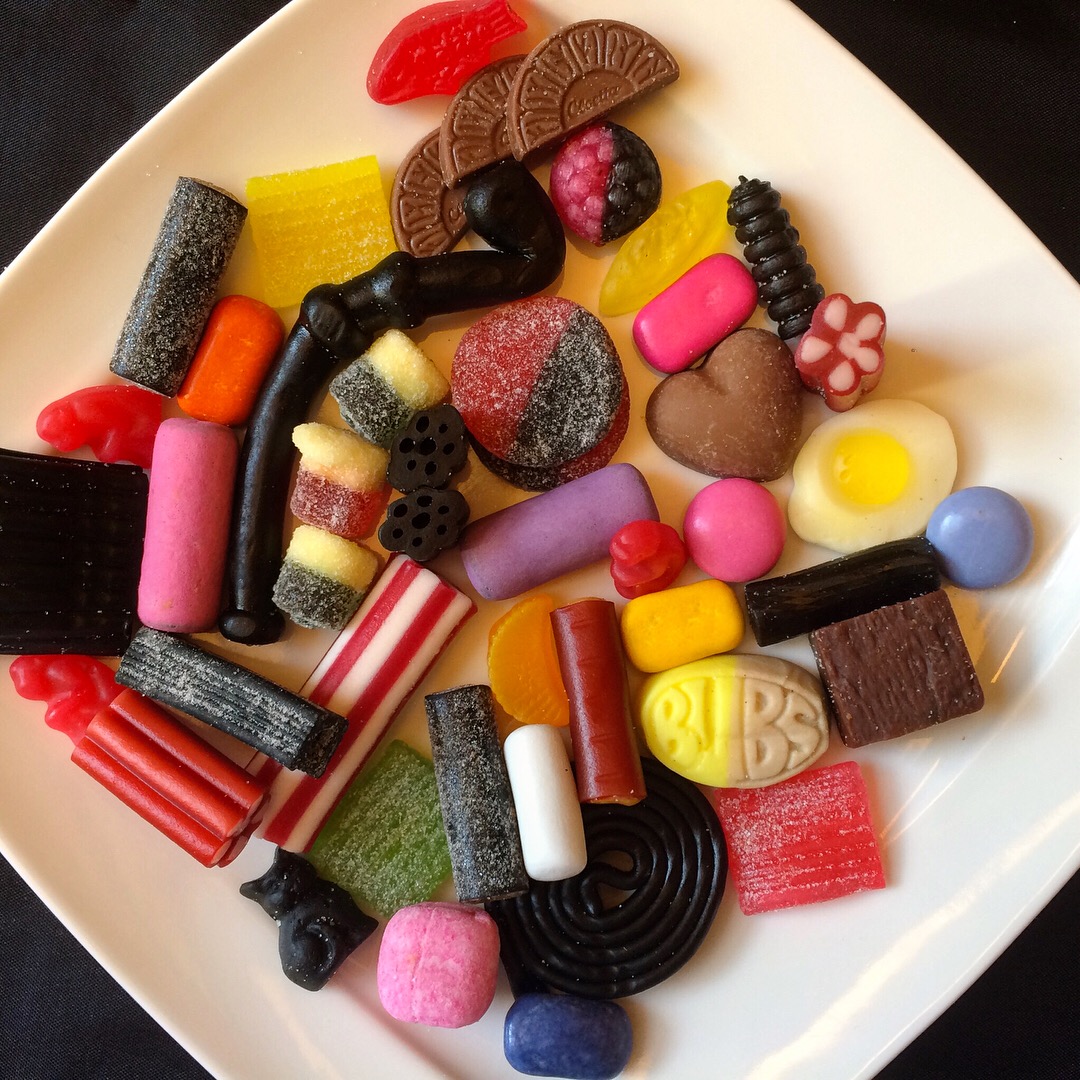
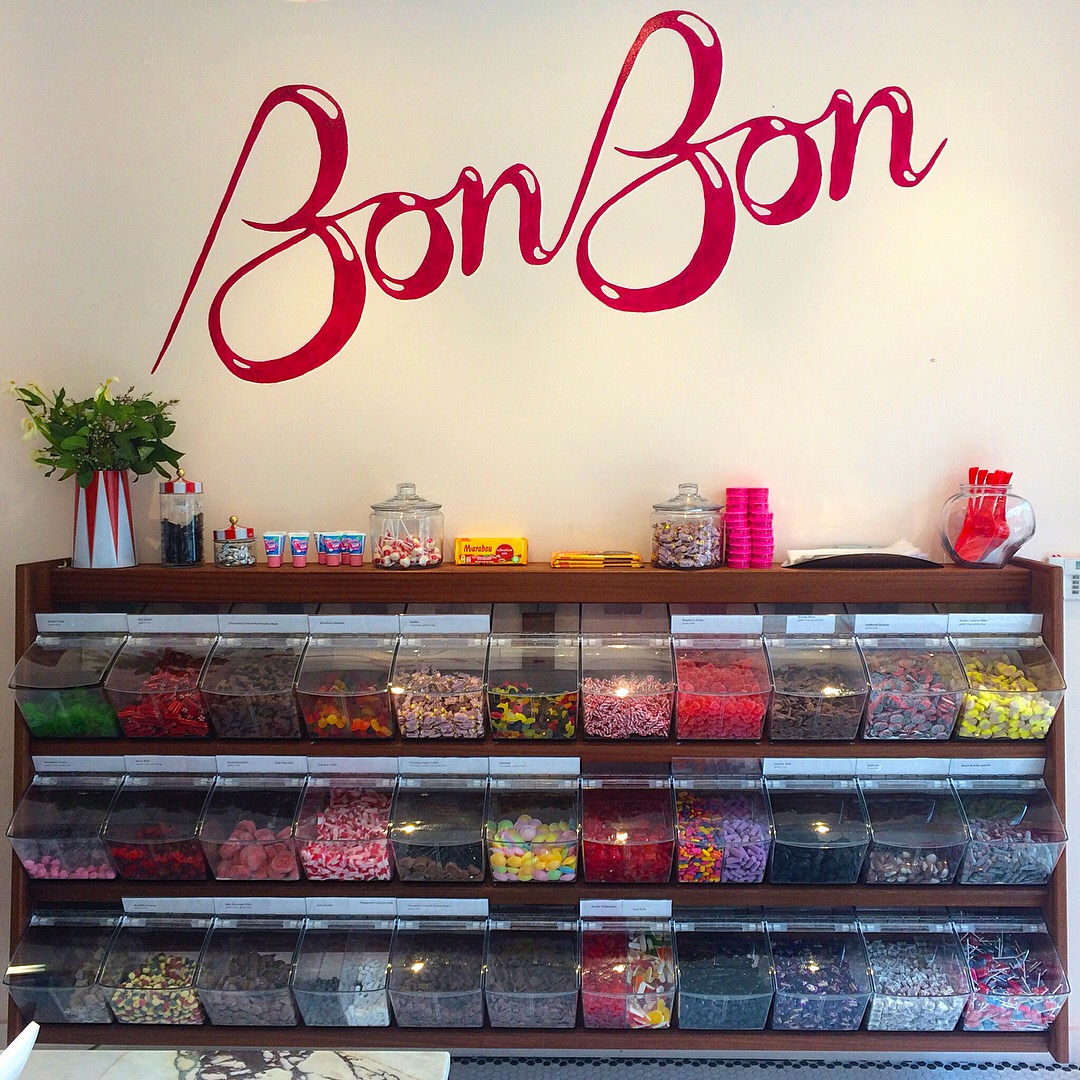
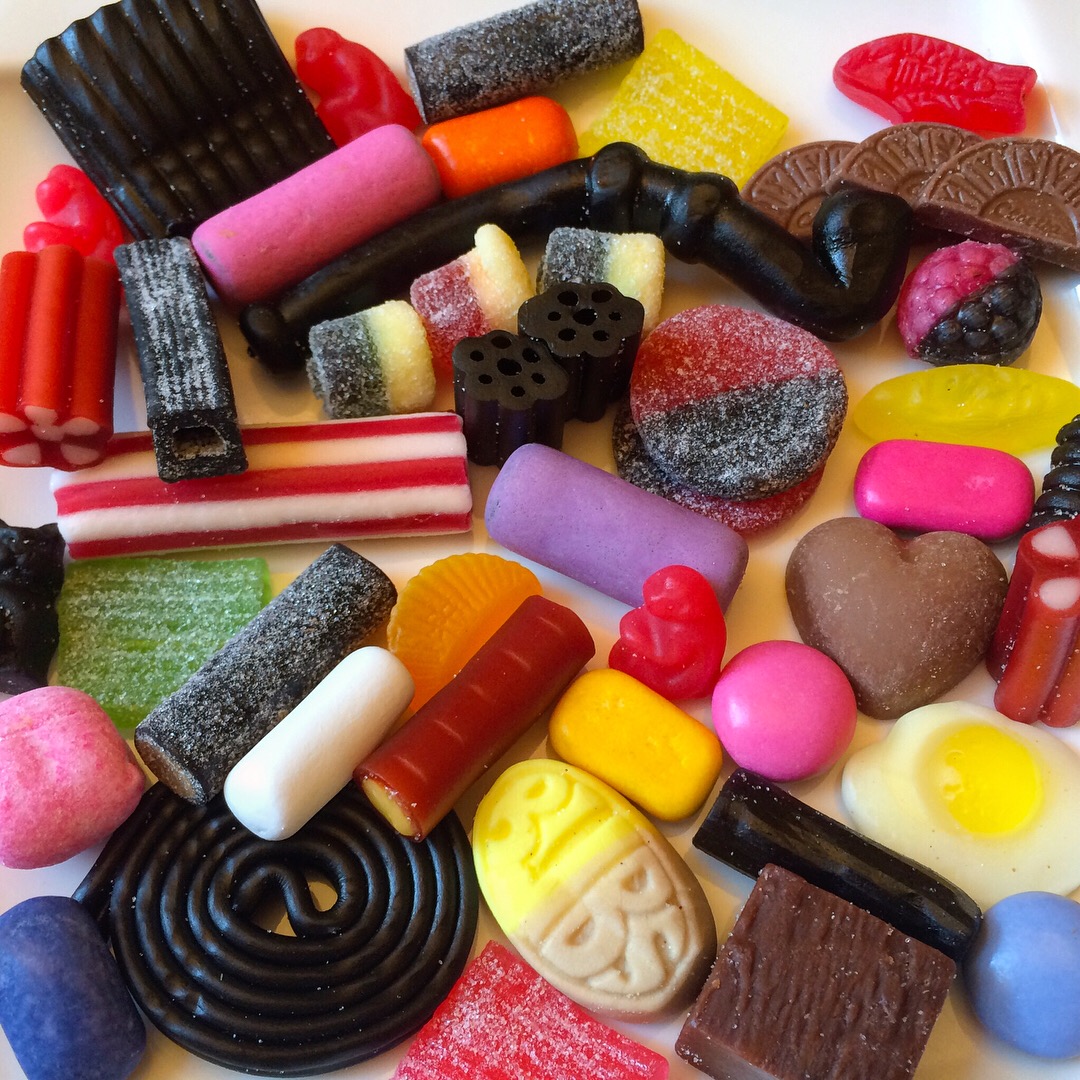
Imagine if the Beatles’ “Savoy Truffle” had been a Swedish song: as opposed to names of candies like Creme Tangerine, Montelimar, and Ginger Sling, they would have sung about Gott Och Blandat, Chokladhjärta, and Häxvrål. Those are just some of what you’ll find at BonBon, 130 Allen Street in Manhattan. Fortunately, it wasn’t a northern song and there are English signs here, there, and everywhere to hold your hand if you’ve got a feeling that it’s all too much, because there are over 150 kinds of Swedish candy on display. But I did see Finnish Sweet Licorice Pieces and I wonder if something Norwegian would help! 😜
🐷 🐷 🐷
But seriously, BonBon is a Swedish 🇸🇪 candy company that’s a newcomer to the Lower East Side. In addition to sweet treats in a rainbow array of colors, flavors, and textures, they sell world famous Swedish salty licorice as well as the sweetish kind. Curiously, the unique taste comes not from sodium chloride (NaCl, table salt) but rather from ammonium chloride (NH4Cl) so it’s really more astringent than salty. I recommend Tyrkisk Peber (Turkish pepper) – that’s the hard stuff, literally – although they do have a number of gateway salty licorices to choose from like chewy filled Sweet & Salty Licorice Logs, Licorice Chalks in a variety of flavors, Licorice Screws and Licorice Carpets. Other favorites included Tivoli Mix, Lemon Rhubarb Logs, and ridged, red and white, flowery-edged Vanilla Marshmallow candies. For traditionalists, they also offer delicious Swedish chocolates including Daim, the milk chocolate covered crunchy almond caramel candy bar that makes everybody glad all over. Try it; you’ll definitely dig it.

All together now: The End!

#thereAre15 #didYouFindThemAll


Allan’s Quality Bakery

Instagram Post 3/16/2018

(Click on any image to view it in high resolution.)

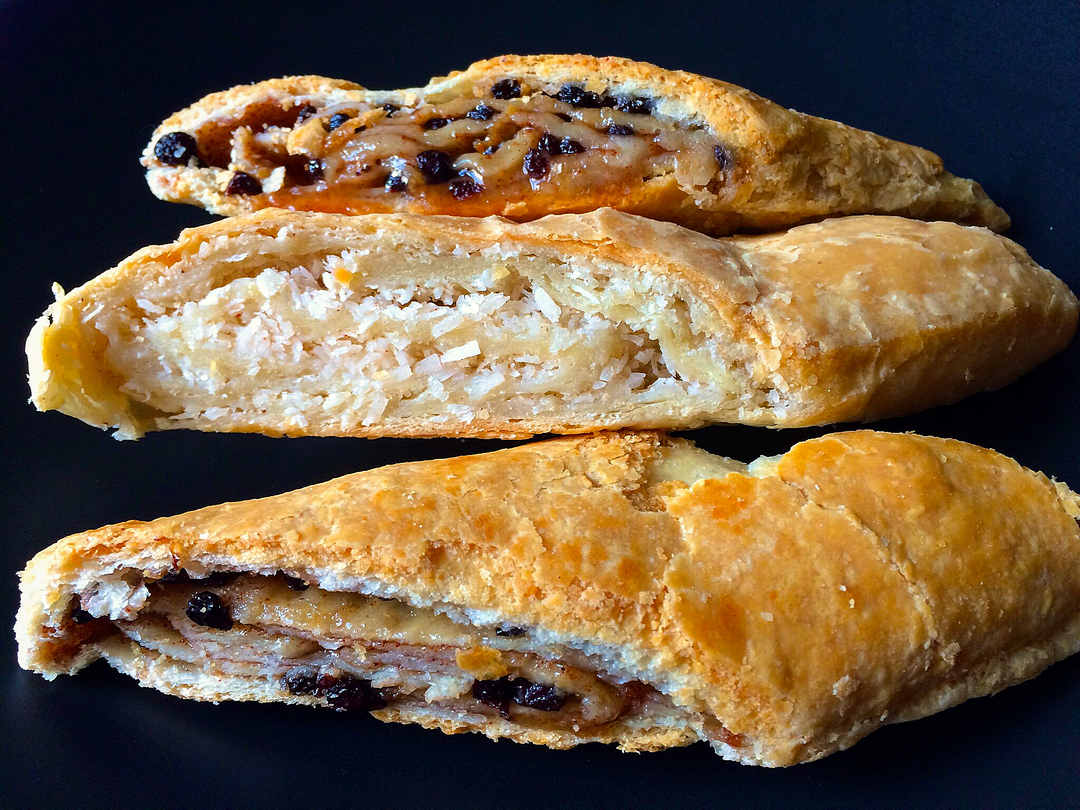
Unquestionably and quite simply the very best Trinidadian currant rolls and coconut rolls I have ever tasted in my life; these are definitive and the real deal. What’s more, I’m told they often have CHOCOLATE currant rolls (!) and white chocolate coconut rolls as well. Head to Allan’s Quality Bakery at 1109 Nostrand Avenue, Prospect Lefferts Gardens, Brooklyn for some amazing Caribbean baked goods and a guaranteed smile on your face.


Los Helados de Salcedo

Instagram Post 3/8/2018

(Click on any image to view it in high resolution.)
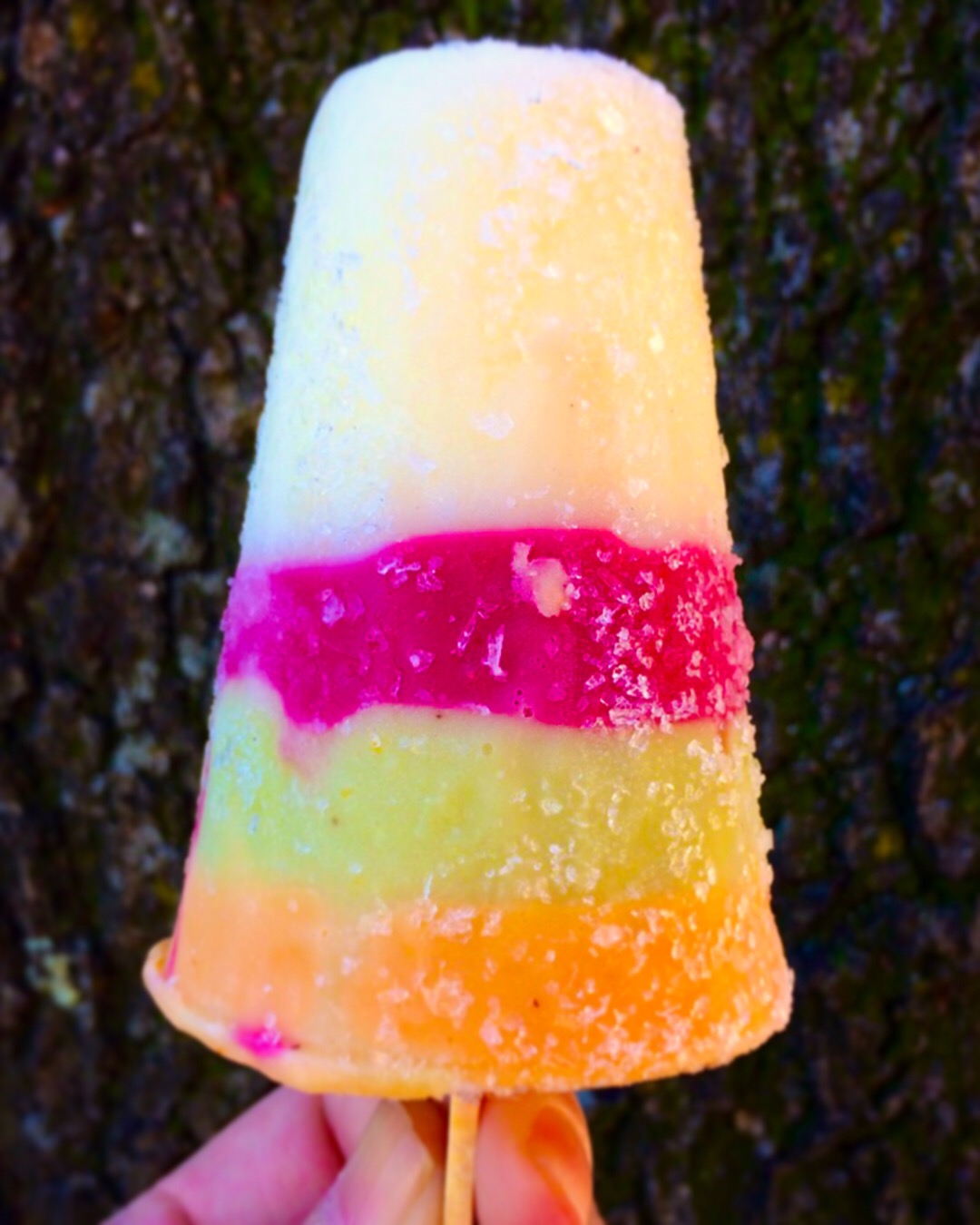
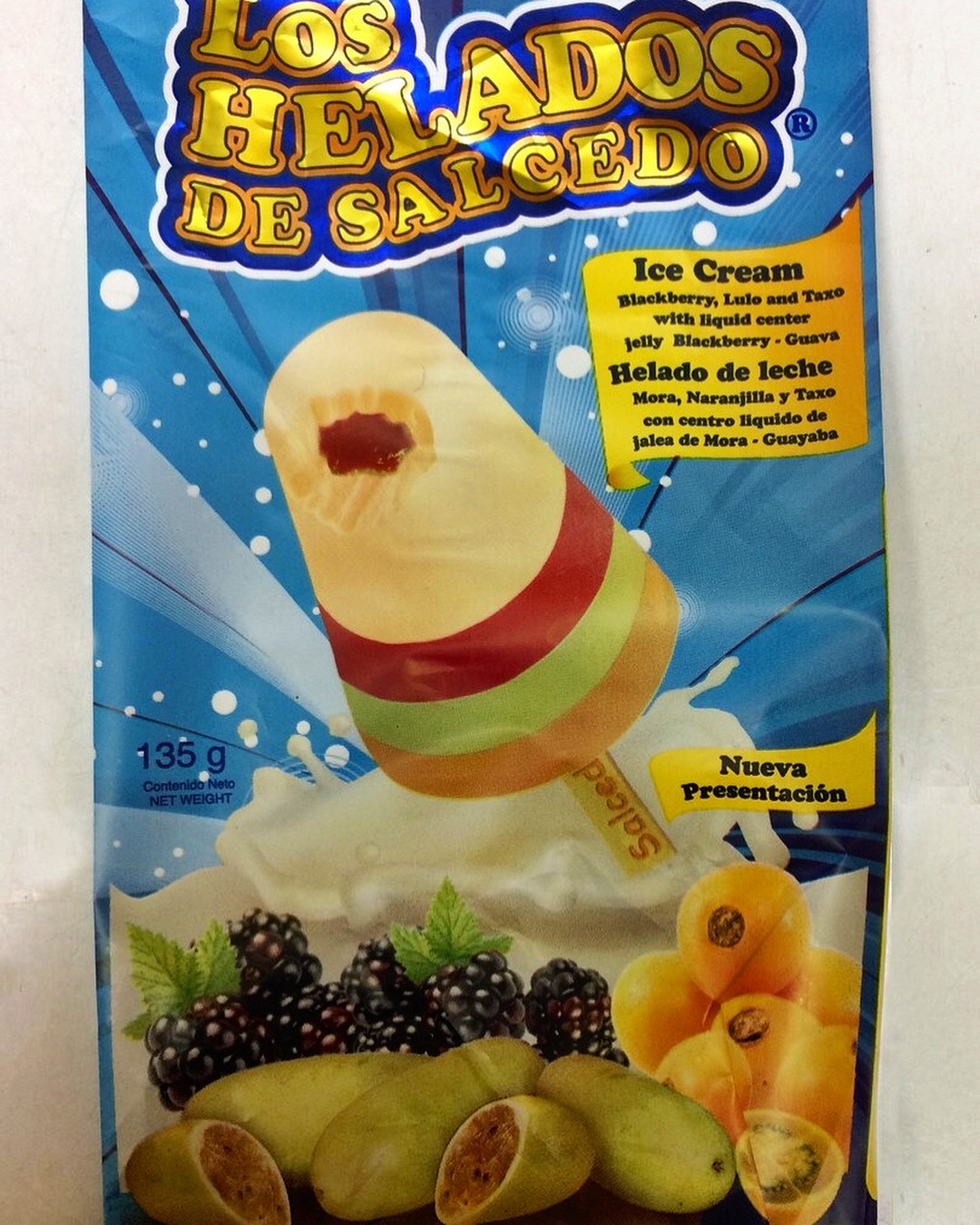
Thought you might need a palate cleanser after all that rich food I continually post! While wandering around Jackson Heights, a sign in the window of a little shop featuring goods from Ecuador caught my eye. Upon entering Ecuador Records Variedades at 92-11 37th Ave and making my way past piles of hand crafted clay pots and other charming imports, I headed straight to the freezer case and selected the ice cream pop depicted on the sign that sported distinct colorful layers of “mora, naranjilla y taxo con centro liquido de jalea de mora, guayaba”.

The Ecuadorian frozen confection sold under the name “Los Helados de Salcedo” (after the city, I suspect) was surprisingly good. Not only was it sweet and refreshing, but the flavors were distinct and richer than I anticipated.

Translation: Helados = ice creams. Mora = blackberry. Naranjilla, literally “little orange”, although unrelated (I’ve seen it as naranjillo and frequently as lulo), is a fruit with a tart, tropical, quasi-citrusy flavor that can be found locally either canned, jarred, or frozen. Taxo is also known as banana passionfruit; it’s the oblong shaped fruit pictured on the wrapper. Guayaba = guava. I’m not certain that I really detected the liquid center of blackberry jelly; greedily consuming the delectable pop, I may not have given it a fair chance.


Linzer Cookies

Instagram Post 12/15/2017

(Click on any image to view it in high resolution.)


Homemade Christmas Cookies – Day 5
🍪🍪🍪🍪🍪
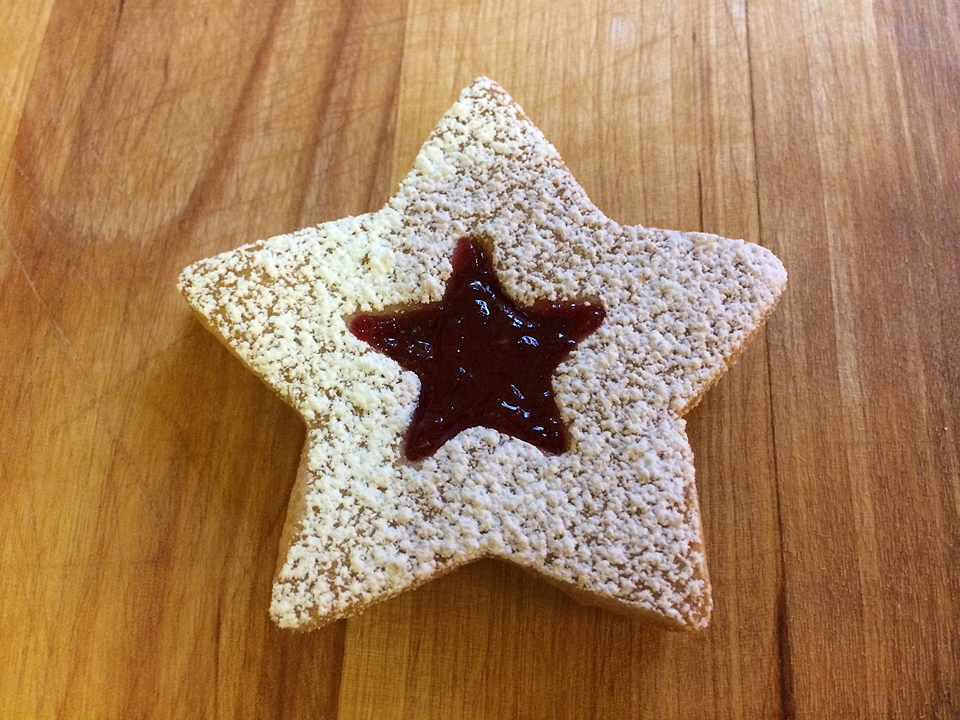
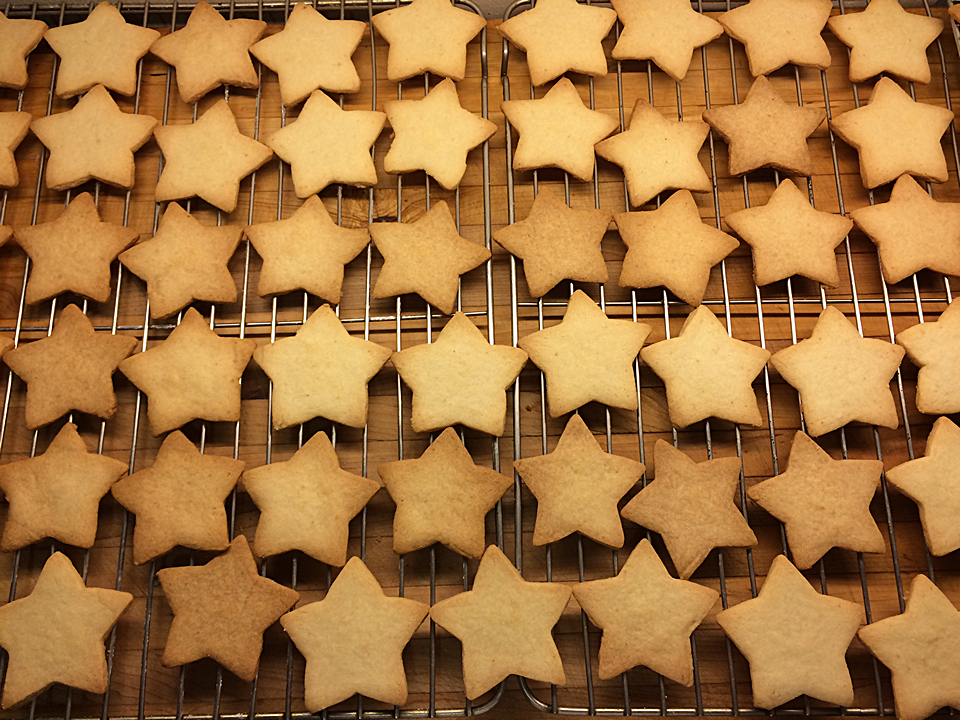
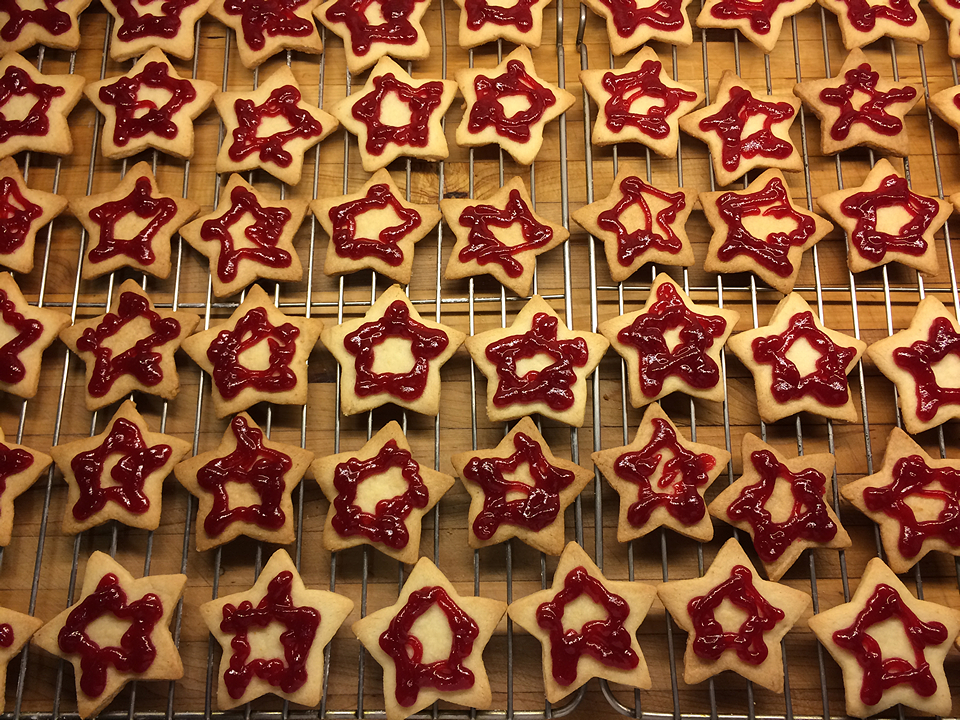
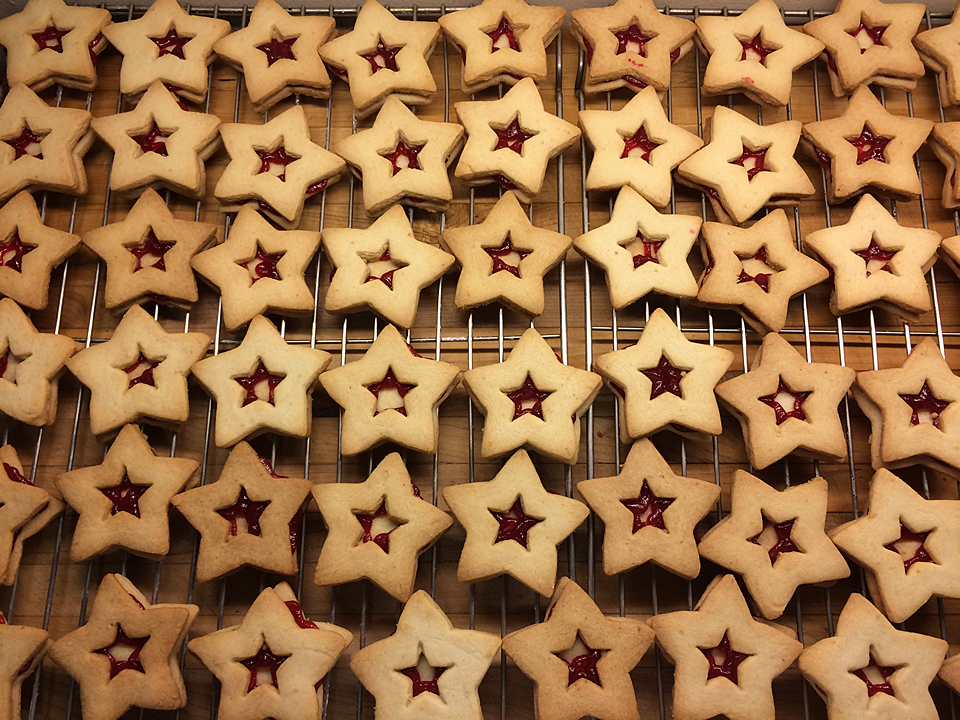
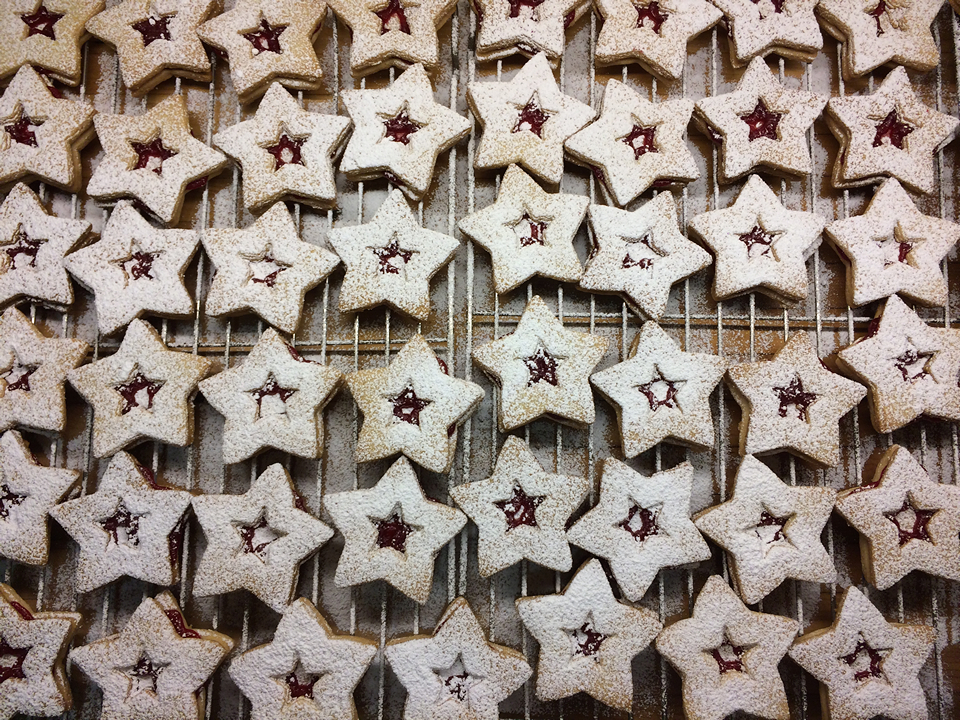
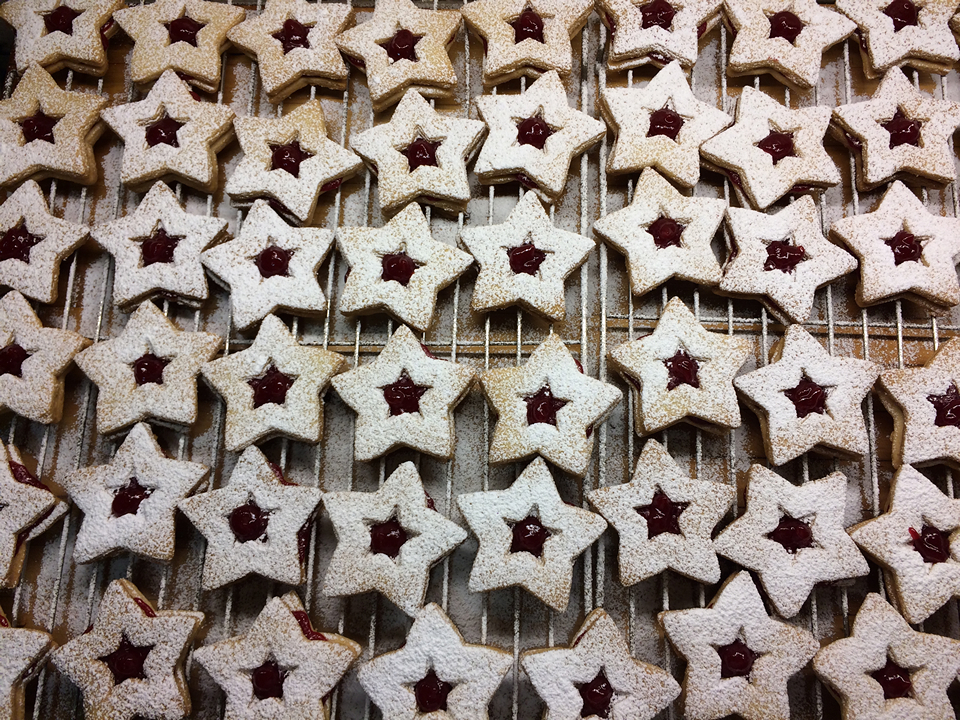
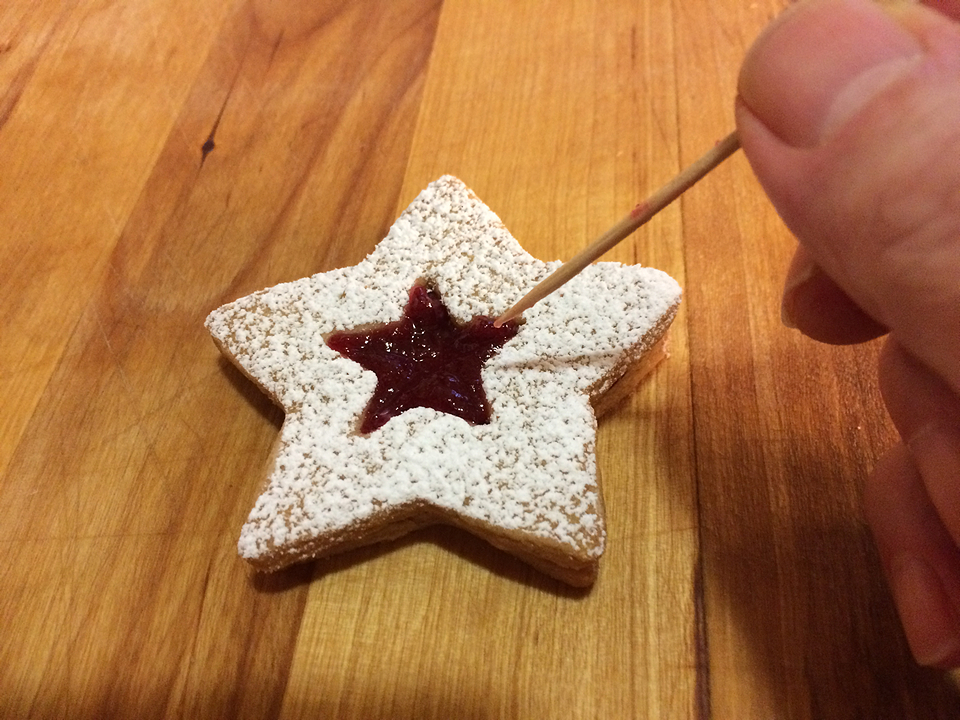
Linzer Stars. Finely ground almonds figure into in the sweet, tender dough; the filling is made from red currants that I bought when they were in season and preserved in anticipation of this maniacal operation. Why maniacal? Look closely and you’ll see that the powdered sugar blankets only the outer section of the star, yet the inner red star shines snow-free. Follow along to see how I do it:
(1) Start with solid backs.
(2) Add preserves around the perimeter but not in the center. (Neatness doesn’t count.)
(3) Match tops to bottoms.
(4) Let it snow, let it snow, etc.
(5) Squirt a blob of preserves into the cutout.
(6) Now here comes the maniacal part: For each cookie, use a toothpick to draw out the five points of the star.
(7) Et voilà!
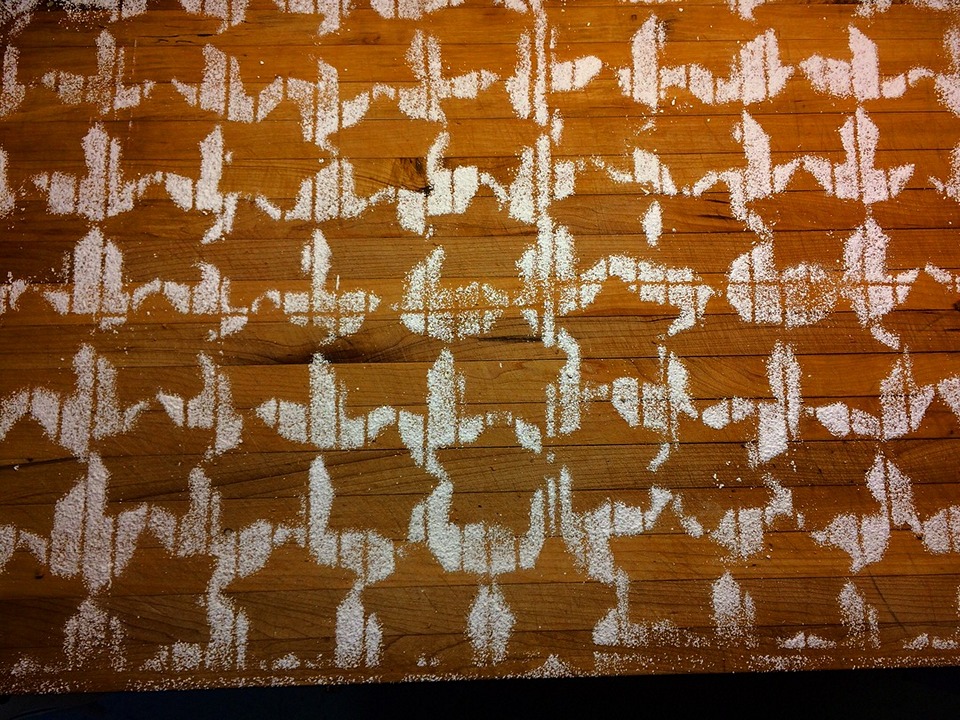
(8) The cookies are complete and packed up. Here’s the negative space that was left behind!
⭐️⭐️⭐️⭐️⭐️⭐️⭐️⭐️⭐️⭐️⭐️⭐️⭐️⭐️
HAPPY HOLIDAYS!!!
🎅🎄☃️❄️


Marzipan Cookies

Instagram Post 12/14/2017

(Click on any image to view it in high resolution.)
Homemade Christmas Cookies – Day 4
🍪🍪🍪🍪
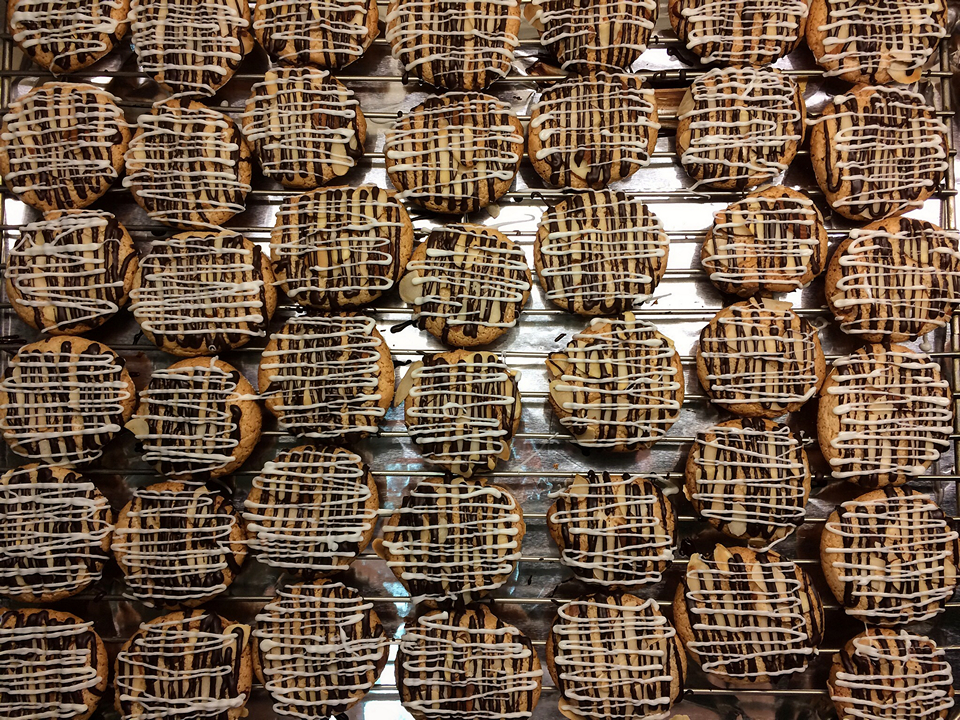
Marzipan Cookies. Crispy toasted almonds and a double chocolate grid (white and 60% cacao) grace the tops of the chewy marzipan base. Final decorating stage shown here. Stay tuned: more cookies to come!
🎅🎄☃️❄️


Chocolate Pecan Whiskey Balls

Instagram Post 12/13/2017

(Click on any image to view it in high resolution.)

Homemade Christmas Cookies – Day 3
🍪🍪🍪
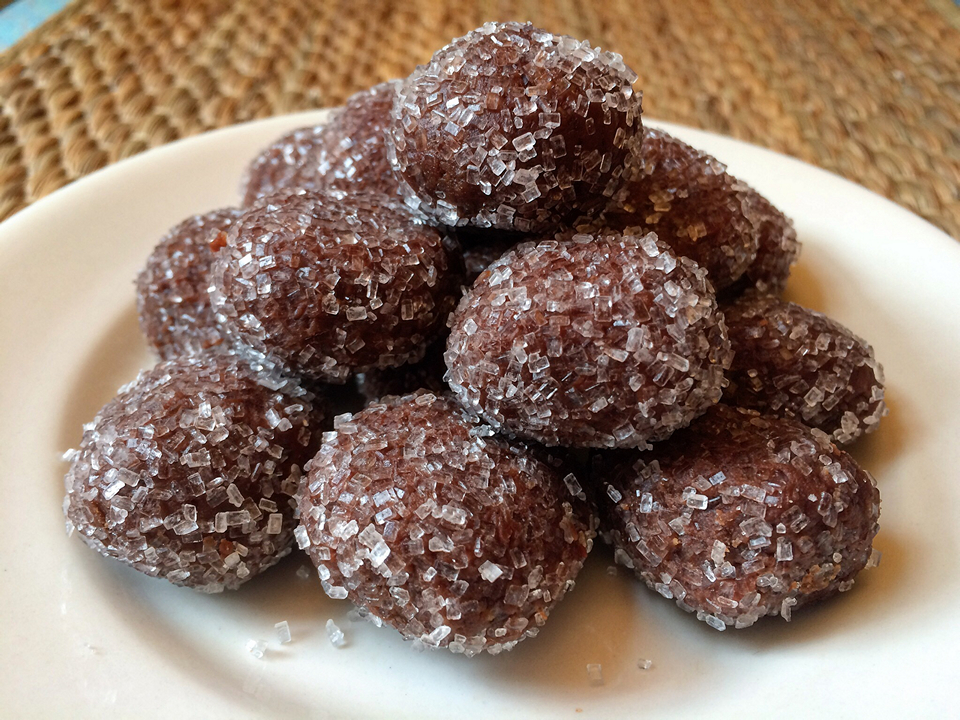
Chocolate Pecan Whiskey Balls. Named for the chocolate and toasted pecans in them, but especially for the pecan whiskey (yes, it’s a thing). Sparkling sugar adds a crunchy, festive touch. Stay tuned: more cookies to come!
🎅🎄☃️❄️


Biscotti

Instagram Post 12/12/2017

(Click on any image to view it in high resolution.)

Homemade Christmas Cookies – Day 2
🍪🍪
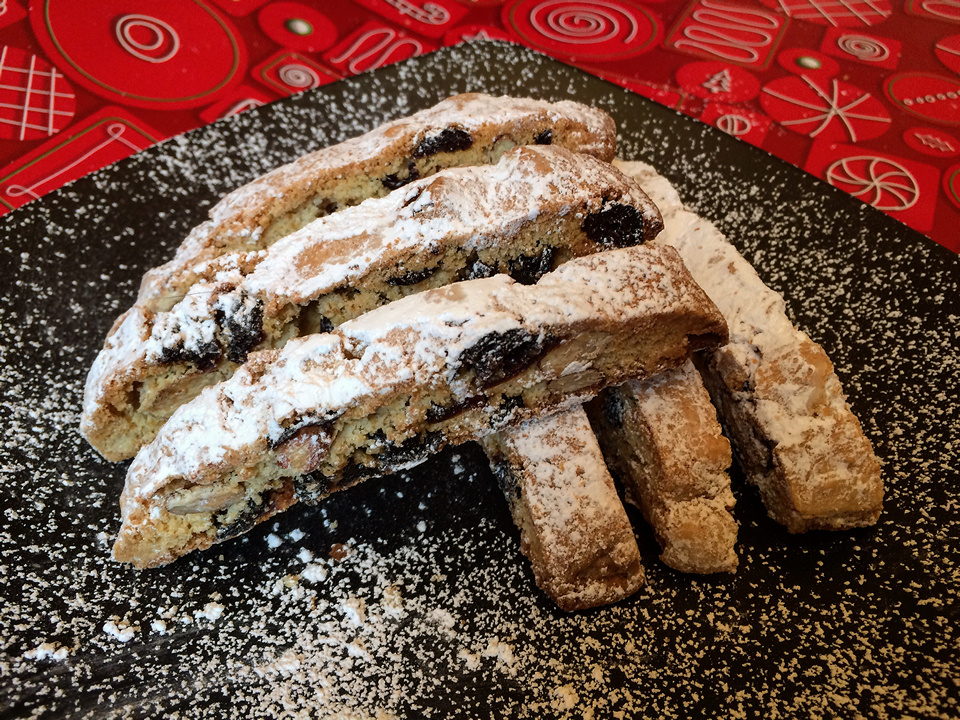
Biscotti! These twice-cooked treats (aka cantuccini) are laden with toasted almonds and dried cherries that I simmered in Amaretto. Delicious dunked in coffee for breakfast, wine for dessert (as they do in Italy), or cocoa for snowstorms. Stay tuned: more cookies to come!
🎅🎄☃️❄️